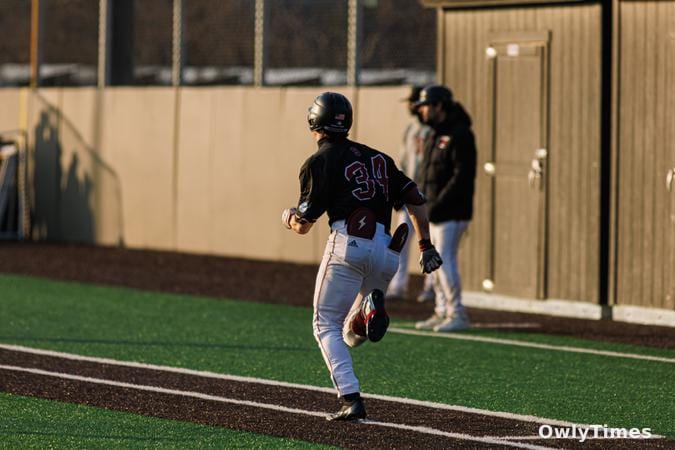

The late afternoon sun cast long shadows across the field at the Washington Nationals Youth Baseball Academy on Saturday, but the light couldn’t quite illuminate the sting of defeat for the Stevens Institute of Technology baseball team. A 6-5 walk-off loss to Montclair State University wasn’t just a blemish on their 4-3 season record; it was a microcosm of the anxieties simmering beneath the surface of college athletics right now – the precarious balance between individual brilliance and collective collapse, the agonizing weight of expectation, and the ever-present reminder that even a fleeting advantage can vanish in a single swing. It was a game Stevens should have won, a narrative that’s becoming increasingly common as athletic programs grapple with the pressures of a rapidly changing landscape.
A Ninth-Inning Shift in Momentum
The box score tells a straightforward story: Danny O’Brien’s bases-loaded walk-off single sealed the victory for Montclair State (4-1). But focusing solely on that final hit misses the emotional rollercoaster Stevens endured. After falling behind early, the Ducks clawed their way back, fueled by the power hitting of Garret Wolf, who launched his second home run of the season, and the jubilant first collegiate home run from Jackson Wein. These moments weren’t just runs on the board; they were bursts of hope, tangible evidence of the potential within a team still finding its footing. The Ducks even briefly tasted the lead in the ninth, thanks to Wein’s blast, a lead that evaporated with unsettling speed. A throwing error, a strategic intentional walk, and then…silence, broken only by the cheers of the Montclair dugout.
Original reporting: stevensducks.com.
This isn’t simply about a baseball game; it’s about the fragility of momentum. In a world obsessed with data analytics and predictive algorithms, the human element – the errant throw, the clutch hit, the psychological impact of a shifting scoreboard – remains stubbornly unpredictable. Stevens’ performance highlights a tension many teams face: building a statistically sound strategy while acknowledging the inherent chaos of competition. They had the numbers working in their favor for a stretch, but couldn’t close.
Finch’s Firepower, a Silver Lining in Defeat
While the final result stung, the performance of Stevens pitcher David Finch offered a significant bright spot. He tossed six innings, striking out a career-high nine batters, a testament to his developing skill and composure. In an era where pitching depth is increasingly valued – and where the potential for arm injuries looms large – a reliable starter like Finch is worth more than just a no-decision. His ability to settle in after a rocky first inning, retiring the side in the fourth with two swinging strikeouts, demonstrates a mental fortitude that coaches covet.
However, even Finch’s dominant performance couldn’t fully compensate for the defensive lapses and late-inning struggles. This underscores a broader trend in college baseball: the increasing specialization of roles. While a workhorse starter like Finch is valuable, teams also need a strong bullpen and airtight defense to consistently win. Stevens’ inability to maintain that consistency on Saturday exposed a vulnerability that will need addressing as they navigate the remainder of their season. The Ducks are currently ranked 188th in the nation for fielding percentage at .968, a number that needs improvement to compete with top-tier programs.
Beyond the Box Score: The Jamboree’s Larger Purpose
The Washington Nationals Youth Baseball Academy Jamboree isn’t just a collection of games; it’s a deliberate effort to elevate the profile of Division III baseball and provide a platform for these athletes to showcase their talent. The event, hosted by a major league franchise, offers a glimpse into the potential for increased investment in smaller college programs. Division III athletes often compete without the same resources or media attention as their Division I counterparts, yet they represent a significant portion of the collegiate baseball landscape.
This Jamboree, and others like it, are attempting to bridge that gap, offering exposure and fostering a sense of community. But the Stevens-Montclair game also served as a reminder that exposure alone isn’t enough. These athletes need consistent support – improved facilities, dedicated coaching staff, and a commitment to holistic player development – to truly thrive. The fact that a team like Stevens, representing a respected engineering institute, is playing for visibility speaks volumes about the challenges facing smaller athletic programs.
What will it take for Division III baseball to gain sustained traction in a sports world dominated by Power Five conferences and professional leagues? Will events like the Nationals Jamboree prove to be a catalyst for change, or will these programs continue to operate in the shadows, relying on the passion of their players and the dedication of their coaches to keep the dream alive? The answer likely hinges on whether the broader athletic community recognizes the value of these athletes – not just as potential future professionals, but as students, leaders, and contributors to their communities.

