
Is anyone even paying attention to the quiet erosion of safety guarantees baked into the “convenience” of on-demand services? We obsess over self-driving cars, debating algorithmic ethics, while simultaneously handing over our lives to apps with demonstrably shaky track records. The death of Carla Boynton and her husband in a Detroit Uber crash isn’t just a local tragedy; it’s a flashing warning light about a system prioritizing growth over genuine accountability. The real story here isn't the heartbreaking loss of a beloved teacher – it’s the normalization of risk we’ve accepted in the name of seamless transportation.
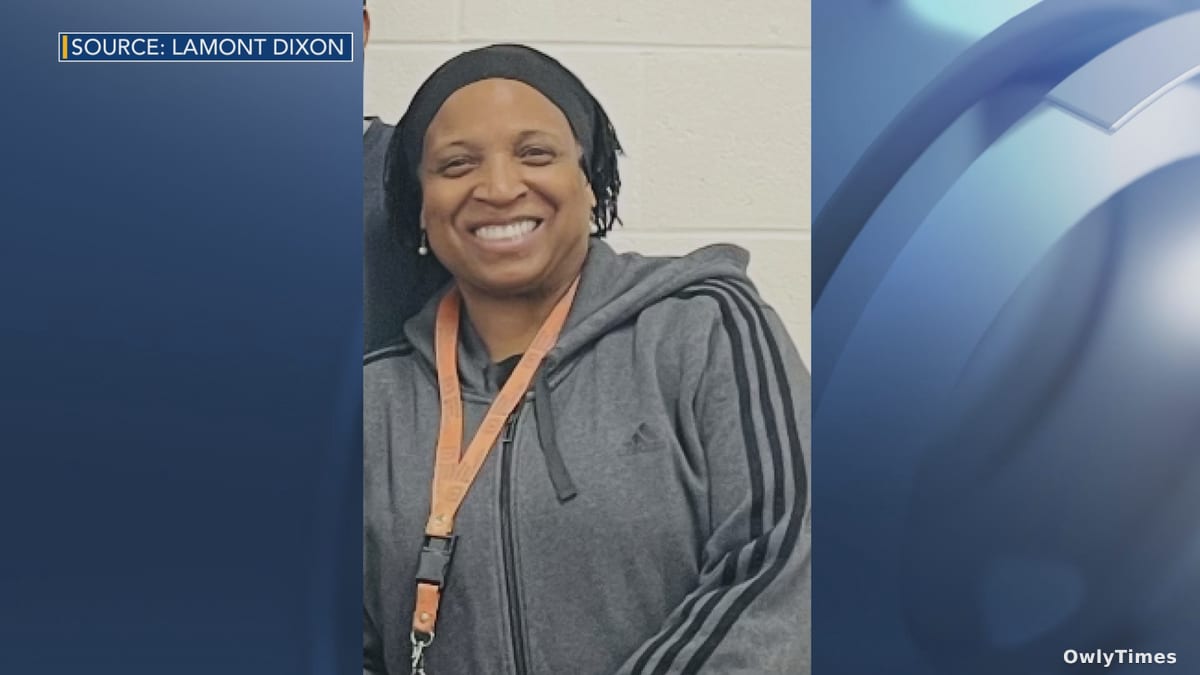
Carla Boynton, a Health and Physical Education teacher at Durham School of Technology, was described by principal Lamont Dixon as “the heartbeat of the school.” He’d known her for twelve years, and she’d been inspiring students at Durham Tech for the past three. That’s twelve years of impact, of shaping young lives, extinguished in a single weekend. Dixon learned of the crash – which occurred while Boynton and her husband were visiting Detroit – from a colleague on Sunday, prompting an emergency staff meeting to share the devastating news. This isn’t a statistic; it’s a community reeling from the loss of someone central to its fabric.
But consider the context. We’ve become accustomed to a narrative where ride-sharing is inherently safer than driving ourselves, largely fueled by the companies themselves. They tout safety features, driver background checks, and real-time tracking as proof. Yet, reports of assaults, reckless driving, and inadequate insurance coverage continue to surface. The problem isn’t a lack of technology; it’s a fundamental misalignment of incentives. Uber, and its competitors, are incentivized to expand rapidly, to offer the lowest possible fares, and to classify drivers as independent contractors – all of which contribute to a system where safety can be, and often is, compromised.
The details of the Detroit crash remain under investigation, but the very fact that a couple could be killed while relying on a service marketed as a safe alternative speaks volumes. We readily accept the trade-off: a slightly lower price, a few minutes saved, for a degree of uncertainty. But what degree of uncertainty are we willing to tolerate? The current model effectively externalizes the risk onto the passengers, shifting the burden of potential harm away from the corporation profiting from the service. This isn’t a new tactic – it’s a classic example of unchecked capitalism prioritizing profit over people.
Original reporting: wral.com.
Dixon’s grief is palpable, his words a testament to Boynton’s character and dedication. He spoke of their “great camaraderie” and the immense loss felt by the entire school community, asking for prayers and support. He also expressed a desire to continue Boynton’s legacy of service. But a legacy isn’t built on good intentions alone; it requires systemic change. The outpouring of sympathy is meaningful, but it won’t prevent another tragedy.
The question isn’t whether Uber is trying to be safe, but whether its fundamental business model allows it to be truly safe. And right now, the answer is increasingly clear: it doesn’t. We’re heading towards a future where the convenience of on-demand services comes with an ever-increasing, and largely unacknowledged, risk. Watch for a surge in lawsuits targeting ride-sharing companies following incidents like this, and more importantly, watch for the first state to seriously challenge the independent contractor classification, forcing these companies to bear the full weight of responsibility for the safety of their passengers. Because if we don’t, the “heartbeat” of more communities will be silenced.