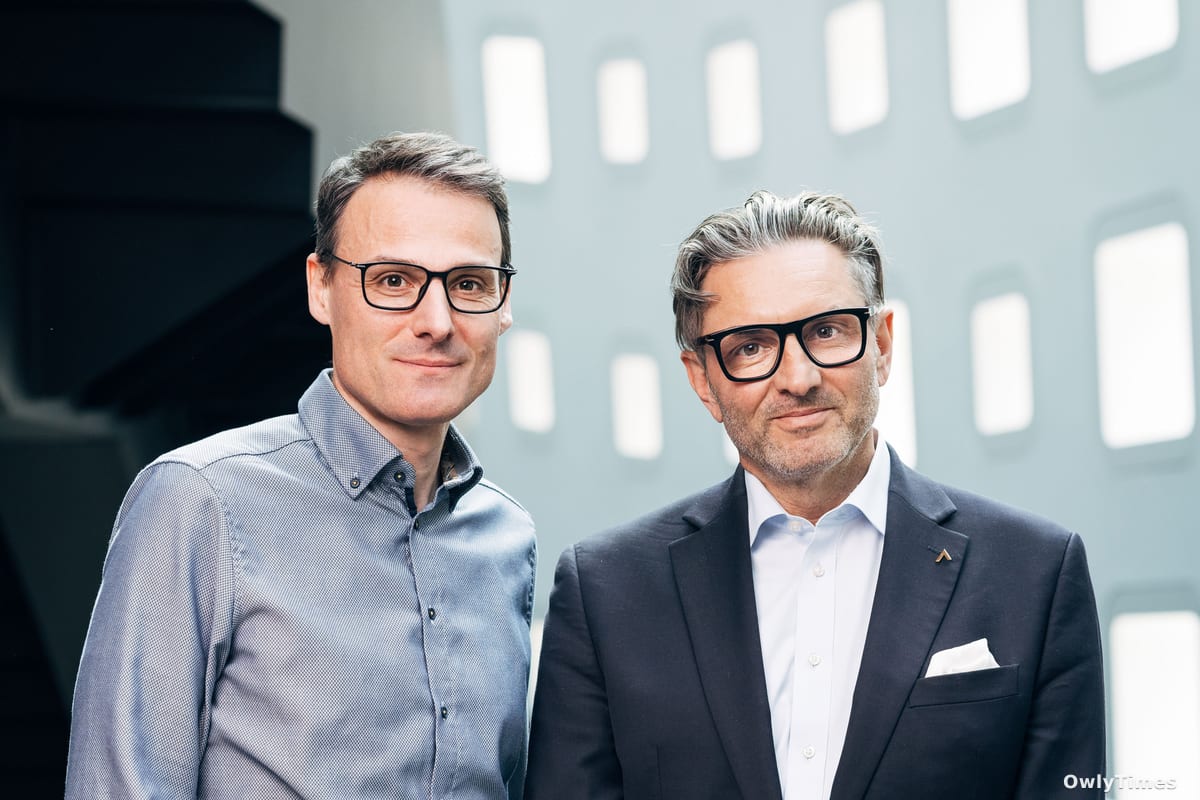

Is the future of manufacturing less about making things and more about knowing things? That’s the question simmering beneath the surface of Durst Group’s recent announcement of Wolfgang Knotz as their new Chief Technology Officer, effective April 1, 2026. The press release trumpets a commitment to “transformation,” but the real story here isn’t a simple executive appointment – it’s a quiet admission that the hardware game is changing, and even a 90-year-old manufacturing stalwart needs to become a data company to survive.
Beyond Ink and Gears: The Rise of "Solutions"
Durst Group, for those unfamiliar, isn’t building your home printer. They’re a global player in large-format digital printing, the kind used for everything from billboards to textiles. For decades, their success hinged on building better machines. But the margins on machines are shrinking, and the competition – particularly from Asian manufacturers – is relentless. The shift to naming Knotz, a long-time Durst insider who rose through the ranks starting in 2013 and most recently led Durst Austria GmbH, isn’t about finding a revolutionary outsider. It’s about signaling a fundamental reorientation. CEO Christoph Gamper explicitly stated they considered over 600 external candidates before realizing the answer was already within their walls, a telling detail.
See the original thecannatareport.com story for the full account.
The key phrase here is “technology-driven solutions provider.” It’s industry jargon, yes, but it points to a crucial trend: manufacturers are increasingly selling outcomes, not just products. Think of it like this: you don’t buy a drill, you buy a hole. Durst’s “Kyveris” initiative, mentioned in the release, is a prime example – a move towards data-driven, connected production. This means embedding sensors in their machines, collecting data on performance, and using that data to optimize processes for their customers. It’s about offering predictive maintenance, automated workflows, and ultimately, a higher return on investment.
The Internal Revolution: Why Durst Looked Inward
The fact that Durst undertook a global search involving 600 applicants only to land on an internal candidate is particularly revealing. It suggests the skills gap isn’t necessarily about finding someone with cutting-edge AI expertise, but about finding someone who understands Durst’s existing technology and can translate that knowledge into a cohesive data strategy. Gamper’s comment about creating “the right internal framework conditions” is code for removing roadblocks and empowering Knotz to focus on the bigger picture. This isn’t just about promoting a loyal employee; it’s about acknowledging that the biggest challenge isn’t technological innovation itself, but organizational adaptation.
This internal focus also speaks to a broader trend in Silicon Valley and beyond: the realization that true innovation often comes from deeply understanding a specific domain, rather than applying generic tech solutions. A flashy AI algorithm is useless if it doesn’t solve a real-world problem for Durst’s customers. Knotz’s background as Head of Development since 2016, continuously optimizing their digital printing systems, positions him uniquely to bridge that gap. He’s not just a technologist; he’s a manufacturing technologist.
What This Means for the Print Industry – and Beyond
This isn’t just about Durst Group. The pressures they’re facing – shrinking margins, increased competition, the need for data-driven insights – are mirrored across the manufacturing landscape. Small print shops, textile producers, packaging companies – they’re all potential customers of Durst’s evolving “solutions.” The shift towards integrated solutions also has implications for the workforce. The demand for traditional machine operators will likely plateau, while the need for data analysts, software engineers, and automation specialists will surge. This creates a skills gap that needs to be addressed through training and education.
The emphasis on software and data integration also raises questions about data privacy and security. As Durst collects more data from its customers’ operations, it becomes a more attractive target for cyberattacks. Ensuring the security of that data will be paramount. The company hasn’t detailed its cybersecurity strategy in the release, a notable omission.
Looking ahead, the critical question isn’t whether Durst can build better printing machines – it’s whether they can build a platform that connects those machines, analyzes the data they generate, and delivers tangible value to their customers. Watch for Durst to aggressively pursue partnerships with data analytics firms and software developers over the next 18 months. If they succeed, they’ll be a model for how traditional manufacturers can navigate the data-driven future. If they fail, they’ll be a cautionary tale of a company that mistook technological innovation for strategic transformation.