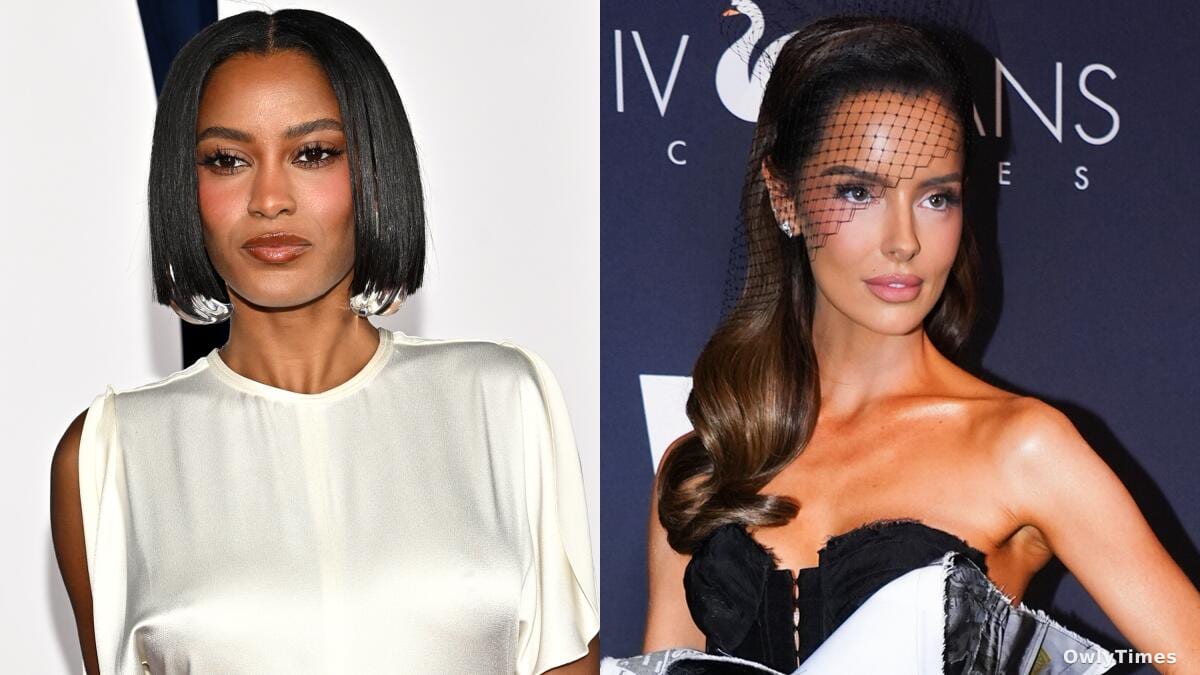

The dance floor is often the final refuge for the reality star seeking a narrative reclamation. As the glitter settles on the latest casting announcement for Season 35 of “Dancing With the Stars,” it is clear that the show is betting on the raw, unscripted pain of its newest recruits to drive the next wave of communal television viewing. Ciara Miller of “Summer House” and “The Traitors” veteran Maura Higgins have been confirmed as the first two celebrities vying for the Mirrorball Trophy, a choice that feels less like a casting decision and more like a deliberate orchestration of public healing.
The Politics of Public Betrayal
Both women arrive at the ballroom fresh off high-profile ruptures that played out in the unforgiving glare of reality television. Miller joins the cast less than a month after the revelation that her ex-boyfriend and castmate, West Wilson, began dating their mutual friend Amanda Batula. For Miller, the decision to pivot toward the grueling rehearsals of “DWTS” is framed as an act of personal agency, underscored by an Instagram post outlining her “Next Chapter 2026” to-do list, which explicitly prioritizes “taking risks.”
Higgins faces a similarly public history of disillusionment. She rose to fame on “Love Island” in 2019, but her recent turn on Season 4 of “The Traitors” ended in a stinging defeat after being blindsided by her co-star Rob Rausch in the finale. While she joked to reporters that she has “manifested” this opportunity and specifically requested Mark Ballas as a partner, the subtext remains clear: the ballroom is where these women will attempt to overwrite the narratives of betrayal that defined their recent screen time.
Chasing the 18-to-30 Demographic
This casting strategy is a calculated response to the changing landscape of television engagement. Conrad Green, the showrunner for “Dancing With the Stars,” noted in November that the program’s recent ratings success stems from a deliberate effort to bridge the gap between legacy viewers and a younger audience of 18- to 30-year-olds. Green attributes this shift to a modern hunger for the kind of “communal viewing experiences” that defined the cultural footprint of “American Idol” and “Dancing With the Stars” two decades ago.
By pulling talent from the high-drama ecosystems of “Summer House” and “The Traitors,” the production is effectively importing pre-built digital fanbases. In an era where traditional linear television often struggles to gain traction, the show is utilizing the social media followings of Miller and Higgins to force a collision between disparate corners of pop culture. The strategy is to turn the ballroom into a high-stakes arena where personal grievances and competitive drive collide, keeping the audience locked in for the next installment of their stories.
A New Pipeline for Talent
The expansion of the brand suggests that Disney is confident in this growth trajectory. Alongside the Season 35 casting, the company announced “Dancing With the Stars: The Next Pro,” a spinoff series premiering July 13 on ABC. Hosted by Season 34 winner Robert Irwin alongside Mark Ballas and his mother, Shirley Ballas, the show will document 12 dancers competing for a professional spot on the main stage.
The success of this ecosystem will be measured by the engagement levels of the upcoming season. As the production prepares for the next cycle, the metrics from the premiere of the spinoff series and the subsequent social media discourse will signal whether this strategy of blending reality-show redemption arcs with competitive professional training can sustain the current ratings spike. For Miller and Higgins, the Mirrorball Trophy is the prize, but for the industry, the true test is whether the audience remains as invested in the dance as they are in the drama.