
Beyond the Headlines: Understanding the El Paso Measles Cases
The recent confirmation of measles cases in El Paso, Texas, isn’t simply a return of a “childhood disease,” as some headlines suggest. It’s a nuanced signal about immunity gaps within a highly vaccinated population and a reminder of how quickly a highly contagious virus can exploit those vulnerabilities. While a reported 98% vaccination rate in El Paso County sounds reassuring, the emergence of four confirmed cases within the city – involving adults in their 20s and 30s – alongside 13 additional cases at a federal facility nearby, demands a closer look at where protection may be faltering and why this age group is appearing disproportionately affected. This isn’t about widespread vaccine failure; it’s about the complex reality of waning immunity and uneven distribution of protection.
The Specifics of Exposure and Viral Spread
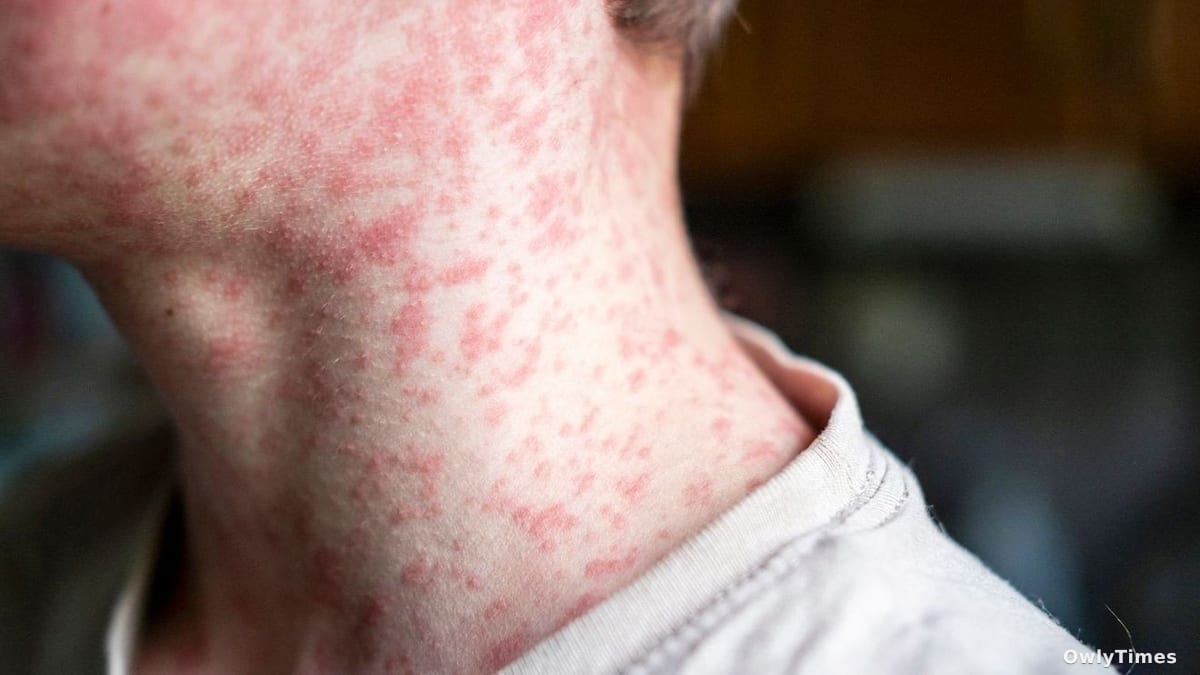
The El Paso Department of Public Health is currently conducting contact tracing following the confirmed cases. What’s particularly important to understand is the timeframe of contagiousness. Measles is exceptionally efficient at spreading through the air – remaining viable for up to two hours after an infected individual has left a space. An infected person becomes contagious four days before the characteristic rash appears, and remains so for four days after the rash develops, meaning significant transmission can occur before anyone even knows they are ill. This explains the public health department’s release of potential exposure locations: Cici’s Pizza on N. Zaragoza (February 20th), the Apple Store at Cielo Vista Mall (February 20th), Del Sol Medical Center (February 20th), and several locations on February 21st and 22nd including the Outlet Mall, Good Luck Café, Target-Bassett, and Ay Cocula. Anyone who visited these locations during the specified times is urged to verify their vaccination status and monitor for symptoms – fever, cough, runny nose, and red eyes preceding the rash.
Based on the original kfoxtv.com report.
Vaccination Status and the Reality of Imperfect Protection
Crucially, the vaccination status of the four individuals confirmed with measles within the city is currently unknown. This information is vital, as it will help determine whether these cases represent true vaccine failure – a rare occurrence – or stem from unvaccinated individuals. The El Paso Department of Public Health emphasizes that two doses of the MMR (measles, mumps, and rubella) vaccine provide approximately 97% protection. However, “97%” doesn’t equate to zero risk. Furthermore, immunity isn’t necessarily lifelong. While the MMR vaccine generally provides durable protection, studies suggest waning immunity can occur over time, particularly in individuals vaccinated earlier in life. This is a key factor given that the current outbreak appears to be affecting young adults, a cohort who may have received their vaccinations as children. Breakthrough infections, while uncommon, are possible, and tend to be milder with a reduced risk of complications and transmission.
Limitations to Consider: Data Gaps and Broader Context
It’s important to acknowledge the limitations of the current information. The 13 cases at the East Montana federal facility are reported through federal authorities, meaning the city’s public health department has limited direct oversight. This creates a potential disconnect in tracking the overall spread within the broader El Paso area. Additionally, the focus on specific exposure locations, while necessary for immediate contact tracing, doesn’t address the possibility of community spread occurring outside of these identified sites. The 98% vaccination rate is a county-wide average; localized pockets of lower vaccination coverage likely exist, and identifying these areas is critical for targeted intervention. Finally, the lack of information regarding the vaccination status of the initial cases hinders a complete understanding of the outbreak’s origins.
What Comes Next: Surveillance and Targeted Outreach
The immediate next steps involve continued contact tracing, robust surveillance to identify any additional cases, and increased accessibility to vaccination services. The El Paso Department of Public Health is offering walk-in immunizations at multiple community clinics, and appointments can be scheduled by calling (915) 212-0200. However, the long-term focus needs to shift towards understanding why this outbreak is occurring in a highly vaccinated population. Future research should investigate antibody levels in young adults to assess the extent of waning immunity, and targeted outreach programs are needed to address vaccine hesitancy and ensure equitable access to vaccination services within vulnerable communities. The question now isn’t simply if another outbreak will occur, but where the next vulnerability lies within our collective immunity, and how we can proactively address it.





