
Beyond the Numbers: Why the Resurgence of Measles Demands a Reassessment of Immunity
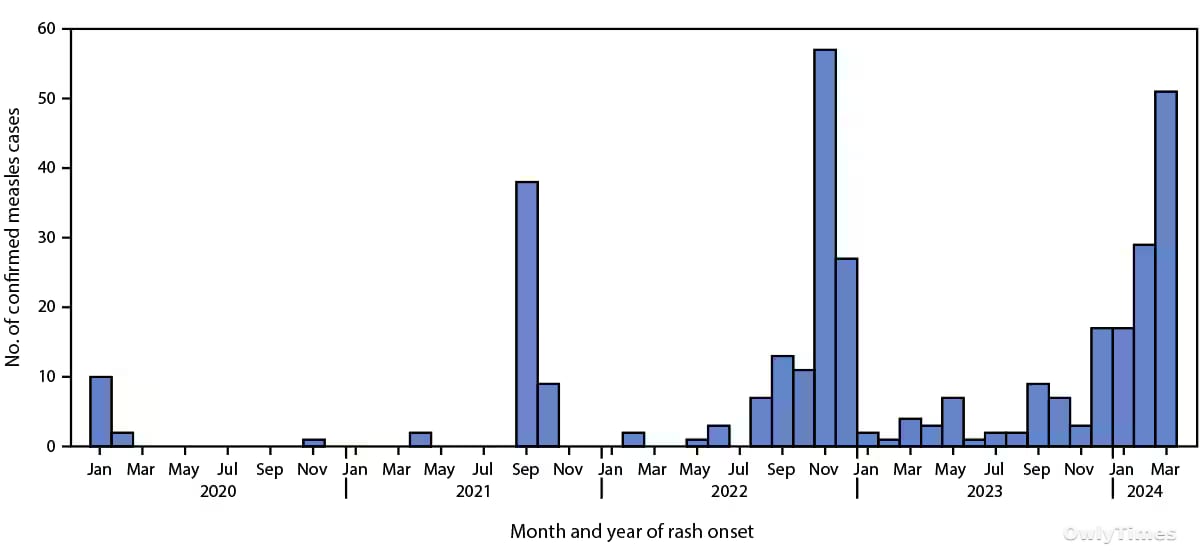
The headline numbers are stark: 982 measles cases officially logged in the U.S. as of Friday, according to the Centers for Disease Control and Prevention. This figure, representing data from 2026, is more than four times the number reported at this point last year, a year already marked by a growing outbreak in West Texas. But focusing solely on the escalating case count obscures a more unsettling trend – a potential erosion of population immunity and the re-emergence of risks many believed were relegated to medical history. This isn’t simply a return of a childhood illness; it’s a signal that the protective shield built through decades of vaccination efforts is developing vulnerabilities, and we need to understand how and why.
See the original NBC News story for the full account.
The current outbreaks are concentrated in several states, with South Carolina experiencing the largest single outbreak the U.S. has seen in a generation, totaling 973 cases since January. Dr. Linda Bell, the state epidemiologist, reported at least 20 hospitalizations, encompassing both adults and children, alongside additional cases requiring medical intervention without hospitalization. While these numbers are concerning, they represent only the immediately visible impact. The CDC data from 2025 reveals a broader picture: over 1 in 10 measles cases resulted in hospitalization, predominantly affecting children and teenagers. This hospitalization rate – roughly 10% – is significantly higher than historical averages, suggesting that current infections may be more severe, or that access to preventative care has diminished, or both.
The situation at Ave Maria University in Collier County, Florida, provides a particularly revealing microcosm of the broader challenge. With 66 of the state’s 92 cases clustered on campus, the outbreak there highlights that even among a population likely vaccinated in childhood, protection isn’t absolute. Blaise Carney, a graduate student who contracted measles alongside a case of strep throat, recounted his experience – starting with seemingly minor symptoms and escalating to a full-body rash requiring emergency room treatment. His case, and the fact that he had been vaccinated, underscores the 3% failure rate inherent in the measles, mumps, and rubella (MMR) vaccine. While 97% efficacy is high, in a highly contagious disease like measles, even a small percentage of vaccine failure can fuel outbreaks, especially when combined with pockets of unvaccinated individuals.
However, attributing the surge solely to the 3% failure rate is an oversimplification. The more significant driver is declining vaccination rates overall. The U.S. is on track to lose its measles elimination status – a designation achieved in 2000 – as vaccination coverage slips below the 95% threshold needed for herd immunity. This isn’t a new concern, but the speed of the decline is alarming. The consequences extend beyond immediate illness. The case recently detailed in the New England Journal of Medicine – a 7-year-old boy who developed subacute sclerosing panencephalitis (SSPE), a rare but almost always fatal brain inflammation, seven to ten years after an initial measles infection contracted in Afghanistan – serves as a chilling reminder of the long-term risks. Before measles elimination, the CDC estimated a risk of 7 to 11 SSPE cases per 100,000 measles infections. This risk is potentially higher for those infected before their second birthday, further emphasizing the importance of timely vaccination.
Limitations to consider include the inherent challenges in accurately tracking and reporting measles cases, particularly in areas with limited healthcare access. Furthermore, the current data doesn’t fully elucidate the reasons behind declining vaccination rates – whether due to misinformation, logistical barriers, or waning public trust in medical institutions. It’s also crucial to remember that the 2025 hospitalization rate, while concerning, is based on a single year’s data and may fluctuate.
The next critical research steps involve a deeper investigation into the immunological memory of vaccinated individuals. Are waning antibodies playing a larger role than previously understood? Should booster doses be considered for specific populations? Simultaneously, public health efforts must focus on addressing the root causes of vaccine hesitancy and improving access to vaccination services, particularly in communities experiencing outbreaks. The resurgence of measles isn’t just a public health issue; it’s a test of our collective commitment to preventative medicine and a stark warning that maintaining immunity requires constant vigilance. We must now ask: what proactive measures will be implemented to prevent the emergence of SSPE cases within the U.S., given the current trajectory of measles resurgence?





