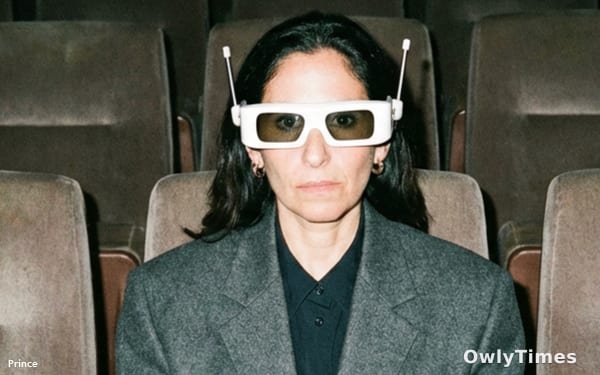

The boardroom doors at Elvis have just swung open for a new era of storytelling. With the announcement eight hours ago that Claire Prince has been named head of entertainment, the agency is signaling a definitive shift away from the traditional ad-man playbook. This isn't just another executive reshuffle; it is a calculated bet that the future of marketing lies in treating brands as production studios rather than mere sponsors.
Marrying Brand Strategy to the Silver Screen
The appointment of Prince is the latest milestone in the agency’s "SeriousEntertainment" mission, a strategy designed to fuse rigorous brand-building with the high-stakes world of creative production. Prince arrives with a pedigree that bridges two worlds often kept at arm's length. Her resume includes a stint as head of branded entertainment at EssenceMediacomUK, where she steered campaigns for heavy hitters like TUI, ebay, adidas, and Tesco Mobile.
Before she leaned into the branded space, Prince spent over a decade in the trenches of pure TV production. Her time at industry stalwarts including Raw TV, Betty TV, Fulwell 73, and the BBC gave her the operational discipline required to survive in the entertainment industry. This dual background is exactly what Phil Fearnley, CEO of Elvis, is banking on to evolve their client offerings. By hiring someone who views entertainment as an "operating system" rather than a temporary marketing tactic, Fearnley is pushing for a more permanent integration of brand and media.
Beyond the Traditional Ad Break
For decades, the standard relationship between a brand and an entertainment project was transactional: a logo placement for a check. Prince suggests that dynamic is now obsolete. As she put it, "Brands need entertainment more than ever. And entertainment, for the first time, genuinely needs brands as creative and strategic partners — not just funding sources."
This shift toward shared risk and shared equity is the defining tension of the modern creative economy. By moving away from the "sponsor" model, the agency aims to ensure that everyone has "skin in the game from day one." This is an attempt to solve the perennial problem of inauthentic advertising, where the brand message feels like an intrusive afterthought. If the brand is a co-author of the content, the argument goes, the result is inherently more authentic and, therefore, more resonant.
From Podcasts to Public Service
The proof of this philosophy will be found in the agency’s current development pipeline. Elvis is currently moving forward with entertainment-led projects for Mondelez, National Highways, and the UK Ministry of Justice. These are not your typical consumer-facing lifestyle brands; they represent a diverse cross-section of institutional and corporate interests.
Prince’s past work already provides a template for this kind of creative expansion. During her time at BBH London and Droga5, she led Barclaycard’s first podcast series, "Figureheads," and headed development at Black Sheep Studios. These projects were early indicators of her ability to cultivate long-form, episodic content that carries a brand’s DNA without feeling like a long-form commercial.
As the agency continues to manage a roster that includes Amazon, Verizon, Sky, and Cadbury, the success of this strategy will be measured by the output of these new properties. The next reading of the progress on these upcoming projects will show whether this "SeriousEntertainment" model can consistently deliver commercial results that satisfy both the boardroom and the audience. The industry is watching to see if this convergence is indeed the new standard or just a high-concept experiment.