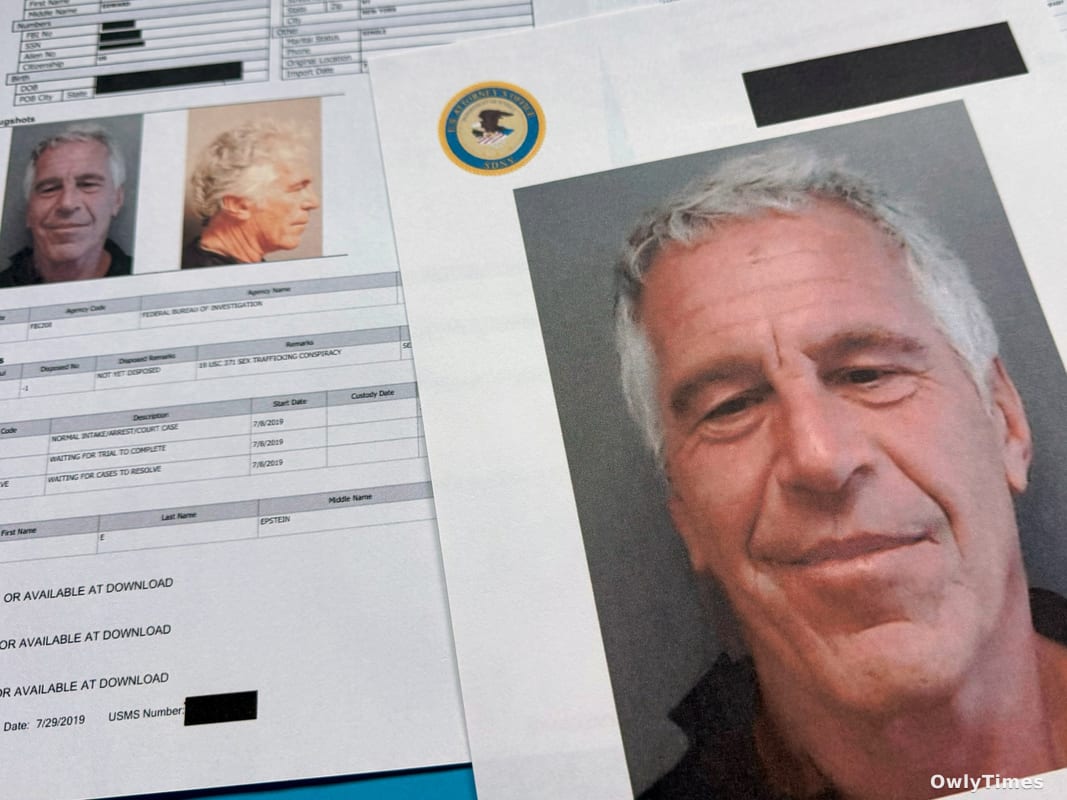

The unraveling of decades-old associations with Jeffrey Epstein isn’t simply a matter of belated justice; it’s a calculated risk assessment playing out in real-time across the Atlantic, and the current wave of arrests in the UK – most recently of Peter Mandelson – reveals a strategic calculus centered on containing damage to the monarchy. The timing of these investigations, and the severity of the response compared to the comparatively muted fallout in the United States, speaks volumes about differing priorities and the fragility of established power structures. While Washington grapples with a deeply ingrained culture of elite impunity, London is attempting a more visible reckoning, even if it means toppling figures like the former ambassador to Washington and potentially implicating the King himself.
The arrest of Mandelson on suspicion of misconduct in public office, following that of Prince Andrew (now Andrew Mountbatten-Windsor), isn’t an isolated event but a cascading consequence of the released Epstein files. The initial wave of disclosures triggered resignations in France – notably former Culture Minister Jack Lang – and charges in Norway against former Prime Minister Thorbjorn Jagland for “gross corruption,” highlighting a continental willingness to treat mere association with Epstein as grounds for inquiry. This contrasts sharply with the US, where despite bipartisan efforts led by Congressman Ro Khanna and Thomas Massie to release the files, criminal accountability remains limited to Ghislaine Maxwell’s 20-year sentence. Who benefits and who loses here is stark: European governments attempt to demonstrate accountability to their citizens, while the American elite largely remain shielded, relying on reputation management and limited resignations.
Prime Minister Keir Starmer’s initial decision to appoint Mandelson as ambassador, despite a pre-existing decline in his popularity, now appears a catastrophic miscalculation. The subsequent resignation of his chief of staff, Morgan McSweeney, underscores the political cost of defending a figure now facing serious allegations. This echoes the historical pattern of political appointments backfiring when the appointee becomes a liability – a modern parallel to the downfall of figures like Haldeman and Ehrlichman during the Watergate scandal, where proximity to power ultimately proved fatal. The key difference here is the proactive nature of the investigation; unlike Watergate, which unfolded through investigative journalism, the Epstein files provided a pre-packaged dossier of potential wrongdoing, forcing a response.
The situation is particularly fraught for the British monarchy. King Charles III’s statement that “the law must take its course” regarding Prince Andrew’s arrest, while seemingly upholding the principle of justice, is a defensive maneuver. Royal biographer Andrew Lownie, who interviewed Virginia Giuffre, has warned that the fallout could “bring down King Charles,” as scrutiny intensifies over his knowledge of his brother’s conduct. This isn’t merely about legal culpability; it’s about the preservation of the monarchy’s legitimacy. The arrest of a senior royal – the first in centuries – is a symbolic blow, and the potential for further revelations threatens to erode public trust. The historical precedent here is the abdication crisis of 1936, where King Edward VIII’s desire to marry Wallis Simpson triggered a constitutional crisis that forced his removal from the throne. While the circumstances are different, the underlying principle remains the same: the monarchy’s survival depends on maintaining public confidence.
Drawn from Al Jazeera.
The disparity in response between Europe and the United States is telling. In the US, the “Epstein class” – as described by Khanna and Massie – enjoys a level of protection afforded by wealth and influence. Figures like Lawrence Summers, Brad Karp, Steve Bannon, and even Elon Musk have faced scrutiny but largely avoided criminal prosecution. This is a direct consequence of a legal system that prioritizes protecting powerful interests, a pattern evident throughout American history, from the railroad barons of the 19th century to the financial institutions bailed out during the 2008 crisis. In Europe, the political calculus is different. The emphasis on demonstrating accountability, even in the absence of conclusive evidence, reflects a greater sensitivity to public opinion and a willingness to sacrifice individuals to protect the integrity of the institution.
The political chess move to watch next isn’t whether Mandelson or Prince Andrew will be convicted – though that remains significant. It’s whether the investigations will expand to implicate other senior figures within the British establishment, and crucially, whether King Charles III will be compelled to publicly address the extent of his knowledge regarding his brother’s associations with Epstein. The release of further documents, and the willingness of European authorities to pursue even tenuous connections to Epstein, will determine whether this scandal remains contained or triggers a systemic crisis of confidence in the British political and royal landscape.





