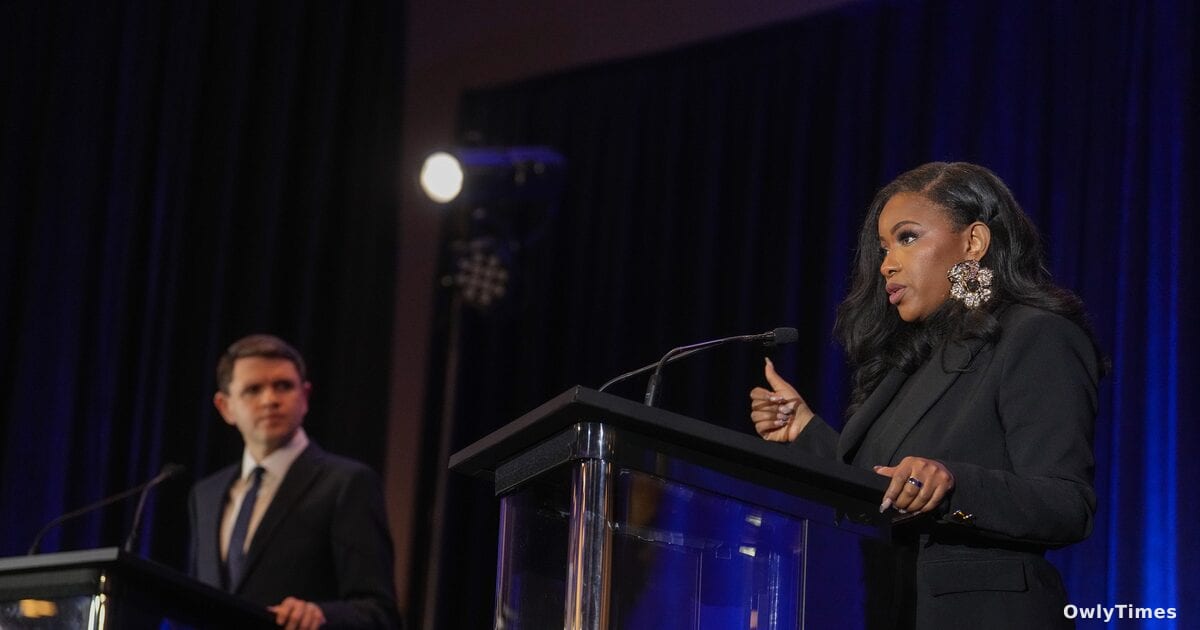

The current Texas Democratic Senate primary isn’t about policy disagreements; it’s a calculated risk assessment. Both Jasmine Crockett and James Talarico are operating under the understanding that a fractured party, even one avoiding the outright mudslinging of past cycles, hands a significant advantage to Republicans in a state trending further from purple. The strategic calculus isn’t simply winning the primary, but minimizing the damage incurred during the primary – a damage assessment informed by the brutal lessons of Texas Democratic contests past.
The 1990 gubernatorial primary offers a stark, and often forgotten, precedent. Then-Attorney General Jim Mattox’s accusations against Ann Richards – alleging cocaine addiction and scandalous personal behavior with comedian Lily Tomlin – weren’t simply personal attacks. They were a calculated attempt to disqualify Richards in the eyes of a Texas electorate still deeply conservative. Richards, in turn, didn’t shy away from reciprocal attacks, labeling former Governor Mark White a “crook.” The sheer ferocity of that contest, as recalled by Lisa Turner, a veteran of the Richards campaign and current state director of the Lone Star Project, makes the current Senate race appear “like kittens and rainbows” by comparison. Yet, the underlying principle remains: intraparty warfare, even when less overtly vicious, creates vulnerabilities. Who benefits and who loses from a prolonged Democratic squabble? Unequivocally, the Republican candidates – John Cornyn, Wesley Hunt, and Ken Paxton – stand to gain.
This article draws on reporting from dallasnews.com.
The difference between 1990 and 2024 isn’t the level of animosity, but the power dynamic. In 1990, Democrats were fighting to hold power, and the primary was a brutal audition for the general election. Today, Democrats are fighting from a position of consistent statewide defeat, making the stakes less about immediate victory and more about long-term coalition building. This explains the current focus on “electability” – a proxy for which candidate can best navigate the treacherous terrain of a state where Democrats have lost every major statewide race since Richards’ 1990 win. Crockett’s emphasis on energizing the base, and Talarico’s highlighting of his success in a red district, are both attempts to answer that question.
However, the current contest isn’t unfolding in a vacuum. The rise of online influencers, many operating outside of Texas, is injecting a new and unpredictable element into the equation. As Kendall Scudder, the Texas Democratic Party Chairman, pointedly noted, outside interference complicates matters. These influencers amplify existing narratives, often with tacit campaign support, and can quickly escalate tensions. The accusation leveled against Talarico – that he made a racially insensitive remark about former U.S. Representative Colin Allred – exemplifies this dynamic. While Talarico denies the accusation, the incident, fueled by social media, has the potential to complicate his standing with Black voters, a crucial demographic. The parallel to the 1990 primary isn’t the content of the accusations, but the speed and reach with which they spread, amplified by forces beyond the candidates’ direct control.
The situation is further complicated by the fact that the Republican primary, while also contentious, is being fought from a position of strength. The GOP infighting over ethics and experience – centering on Cornyn’s incumbency, Paxton’s legal troubles, and Hunt’s voting record – doesn’t carry the same existential threat to their party’s dominance. The Republican base, even when divided, is more reliably Republican. The Democratic Party, conversely, relies on a fragile coalition of voters of color, women, and progressive whites, a coalition constantly tested by internal disagreements over issues of race, gender, and transgender rights. The question isn’t whether Democrats can avoid hurt feelings, as Scudder hopes, but whether they can contain the damage before it becomes self-inflicted electoral poison.
The political chess move to watch next isn’t a policy announcement or a fundraising total. It’s the response to the inevitable post-primary endorsements. Will Allred, despite his public criticism of Talarico, actively campaign for the eventual nominee? Will the losing candidate make a full-throated appeal for unity, or will lingering resentment fester and provide ammunition for Republican attacks? The answer to that question will reveal whether the Texas Democratic Party has learned the lessons of 1990, or is destined to repeat them.





