
Beyond the Headlines: Eric Dane’s Interview Reveals a Nuance of Love and Family
The outpouring of grief following the death of Eric Dane from ALS has been accompanied by a surge of media attention, much of it focused on a final interview released posthumously by Netflix. Headlines emphasize the actor’s candid discussion of his marriage to Rebecca Gayheart, framing it as a story of a couple navigating separation. However, a closer examination of “Famous Last Words: Eric Dane,” and the context surrounding it, reveals a far more complex and ultimately hopeful narrative – one not of romantic dissolution, but of a deeply rooted familial love evolving in the face of unimaginable adversity. The interview, conducted in November 2023 at Dane’s request to be released after his passing, isn’t a post-mortem on a failed romance; it’s a testament to the enduring bonds that can redefine relationships even as life’s circumstances drastically change.
The interview itself, a 50-minute conversation with “Famous Last Words” host Brad Falchuk, doesn’t shy away from the difficulties within the marriage. Dane explicitly states, “We still love each other deeply. I just think we don’t want to live with each other. But there’s a lot of love there.” This admission, while seemingly straightforward, is often presented as a simple declaration of incompatibility. What’s often missed is the weight of the timing. Gayheart initially filed for divorce in 2018, a period before Dane’s ALS diagnosis became public. The withdrawal of that petition in March 2023, just one month before his announcement, suggests a significant shift in priorities. It wasn’t a reconciliation in the traditional sense, but a realignment of roles – from spouses to co-parents and, crucially, to caregivers and companions facing a devastating illness.
Source material: huffpost.com.
Gayheart’s own statements to The Cut in December further illuminate this shift. She describes their relationship as no longer romantic, but unequivocally familial, stating, “Eric and I are not a couple; we’re family.” This isn’t a consolation prize, but a deliberate reframing. The language is crucial: “family” implies a commitment that transcends romantic love, a shared history and responsibility that remains even when the initial foundation of the relationship has altered. This is particularly poignant given the context of ALS, a disease that demands immense practical and emotional support. The interview, therefore, isn’t about the end of a marriage, but about the adaptation of a relationship to accommodate a new, harrowing reality. The couple’s 22-year history provided a foundation of trust and understanding that allowed them to navigate this transition, even if it meant redefining their roles.
It’s important to acknowledge the limitations of interpreting such deeply personal narratives through the lens of public consumption. The 50-minute interview, while revealing, is a curated snapshot of a complex dynamic. We are seeing Dane and Gayheart as they present themselves, and the full spectrum of their emotions and experiences remains private. Furthermore, the framing of the interview by Netflix, while respectful, is inherently designed to generate viewership, potentially emphasizing the dramatic elements of the story. The focus on the marital complexities, while genuine, risks overshadowing the broader themes of resilience, acceptance, and the importance of family in the face of mortality.
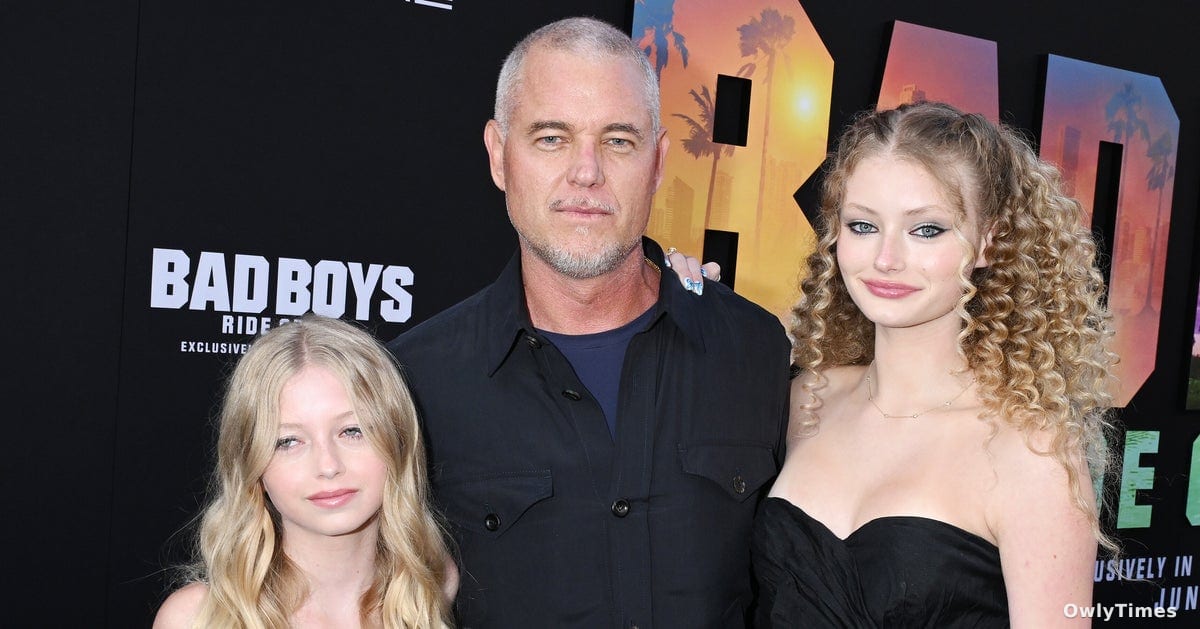
Looking ahead, the impact of this interview may extend beyond the immediate public fascination with celebrity lives. Dane’s final words to his daughters, Billie and Georgia, offer a powerful message about facing adversity with dignity and fighting for what matters. His continued work, even as his health declined – including a November appearance in “Brilliant Minds” portraying a character grappling with ALS and upcoming scenes in Season 3 of “Euphoria” – demonstrates a commitment to his craft and a desire to leave a lasting legacy. The question now is whether this open and honest portrayal of a family navigating illness will encourage more conversations about ALS, its impact on families, and the importance of providing support to those affected. Will it inspire a broader understanding of how relationships can evolve and endure, even when faced with the most challenging circumstances? The true measure of “Famous Last Words: Eric Dane” won’t be its initial viewership, but its lasting impact on how we perceive love, family, and the courage to face the end of life.