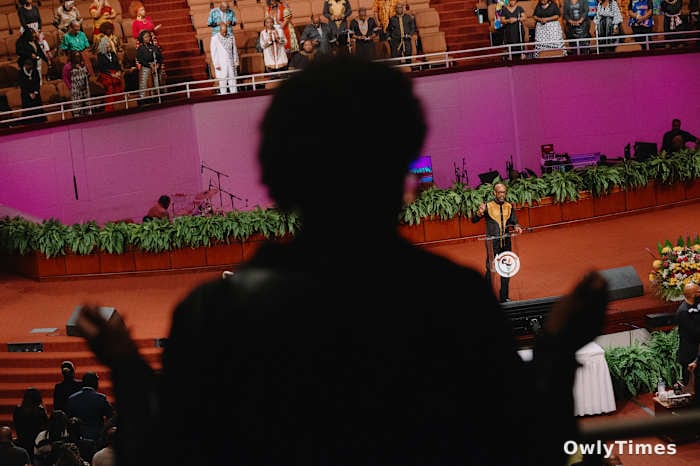

The strategic calculation driving both James Talarico and Jasmine Crockett’s campaigns for U.S. Senate in Texas isn’t simply about winning a primary – it’s about redefining the Democratic Party’s relationship with faith, and weaponizing that shift for electoral advantage. While Democrats have largely ceded the religious ground to Republicans, both candidates are attempting to reclaim it, albeit through vastly different approaches. Talarico is making a direct appeal to faith-based values, framing his progressive policies within a Christian ethos, while Crockett is leveraging the established political power of Black churches to mobilize voters and connect policy to lived experiences. This isn’t a spontaneous awakening of religious fervor within the Texas Democratic Party; it’s a calculated response to demographic shifts and a recognition that ignoring the state’s deeply held religious beliefs is a path to continued electoral failure.
The dynamic reveals a fundamental tension within the Democratic coalition. For decades, the party has largely appealed to secular and religiously unaffiliated voters, often implicitly signaling a distance from conservative religious viewpoints. Now, facing a challenging statewide electorate, both Talarico and Crockett are attempting to broaden the party’s appeal. Talarico’s strategy, rooted in his experiences at St. Andrew’s Presbyterian Church and mentorship under Rev. Dr. Jim Rigby, is a gamble. He’s betting that a progressive Christianity emphasizing love and social justice can resonate with independent and even some right-leaning voters, offering a counter-narrative to the dominant strain of Christian nationalism. This echoes historical moments where politicians have sought to reframe religious arguments for progressive ends – consider the Social Gospel movement of the early 20th century, which used Christian ethics to advocate for social reforms.
Drawn from ksat.com.
However, this approach isn’t without risk. As evidenced by the backlash from conservative activists and the resurfacing of past comments about God being “nonbinary,” Talarico is opening himself up to attacks from the right, who will portray his views as heretical and out of step with traditional Christian values. The Republican National Committee’s swift recirculation of that comment underscores the potency of this line of attack. The question isn’t whether Talarico’s theology is sound, but whether it’s politically viable in a state where white evangelicals comprise roughly a quarter of the electorate and overwhelmingly support Donald Trump. The historical precedent here is the Southern Strategy employed by Republicans in the latter half of the 20th century, which successfully mobilized white evangelical voters by appealing to their cultural anxieties. Talarico is attempting a reverse maneuver, but the terrain is far more challenging.
Crockett’s strategy, in contrast, is less about theological innovation and more about activating an existing power base. By tapping into the civic power of Black churches like Friendship-West Baptist Church, where Rev. Frederick D. Haynes III serves as pastor, she’s aiming to supercharge Democratic turnout among a reliably progressive voting bloc. This isn’t a new tactic – Black churches have historically played a crucial role in the Civil Rights Movement and continue to be vital organizing hubs for social justice causes. The difference now is the explicit connection being drawn between religious faith and political mobilization in a statewide Senate race. Crockett understands that for many Black voters, faith isn’t just a personal belief system; it’s a source of strength, resilience, and a moral imperative to fight for justice. Her emphasis on connecting policy to the “pain” experienced by Texans, and her willingness to engage in direct, often combative, rhetoric, resonates deeply within this community.
Who benefits and who loses from this religious pivot? Talarico risks alienating secular voters and potentially reinforcing negative stereotypes about Democrats being overly focused on religion. However, a successful strategy could unlock a new segment of voters and position him as a unifying figure. Crockett benefits from solidifying her base and demonstrating her deep roots within the Black community, but risks being perceived as solely focused on identity politics and potentially overlooking the concerns of other demographic groups. Republicans, meanwhile, stand to lose ground if either Democrat succeeds in broadening the party’s appeal. The long-term implications extend beyond this Senate race. If either candidate demonstrates the viability of a faith-based Democratic message, it could reshape the party’s strategy in future elections, not just in Texas but across the country. The current dynamic also highlights a growing fracture within the Republican party, as the traditional alignment of evangelical voters with the GOP is increasingly challenged by figures like Donald Trump, whose personal conduct often clashes with conservative religious values.
The political chess move to watch next isn’t simply who wins the primary on March 3rd. It’s how the eventual nominee responds to the inevitable attacks on their faith. Will Talarico double down on his progressive Christian message, or will he attempt to moderate his rhetoric to appeal to a broader audience? Will Crockett continue to emphasize the political power of Black churches, or will she broaden her outreach to other faith communities? More importantly, will either candidate be able to effectively counter the Republican narrative that frames their faith as incompatible with conservative values? The answer to these questions will determine not only the outcome of the Senate race but also the future of the Democratic Party’s relationship with faith in Texas and beyond.





