
$41 Million Vanishes: Fayette County Schools’ Financial Oversight Failure
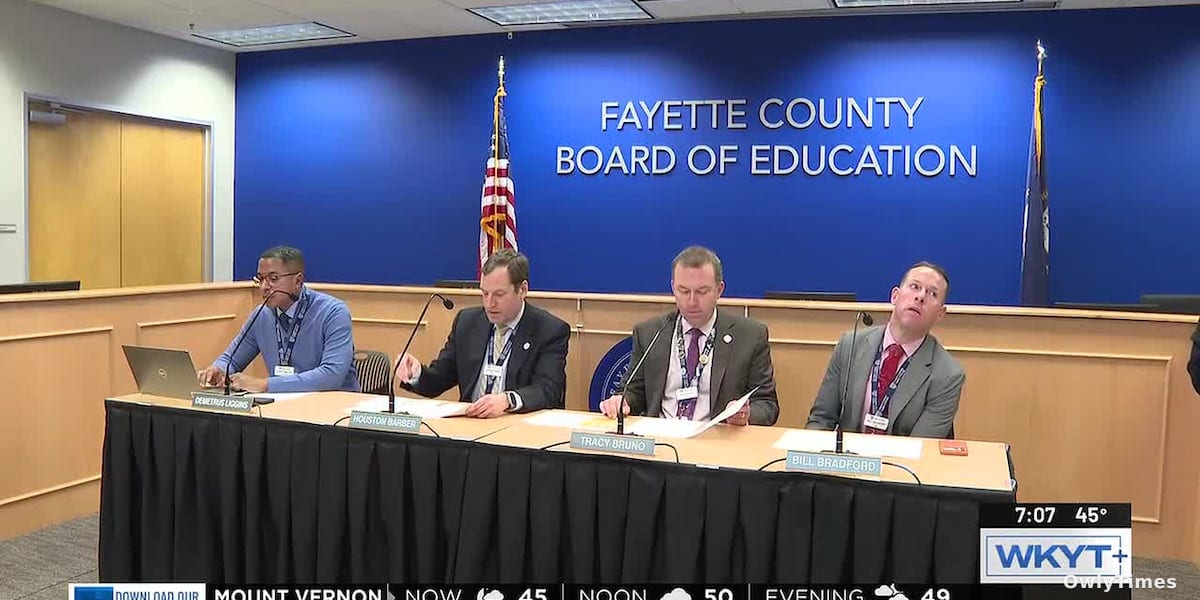
A $41 million decline in Fayette County Public Schools’ general fund balance over two fiscal years – a 49% reduction from approximately $83 million in FY 2024 to $26.4 million in FY 2026 – isn’t the result of intentional misconduct, but a cascade of failures in forecasting, monitoring, and crucially, communication. This finding, detailed in a 40-page report released February 27, 2026, by attorneys Kate L. Nash and Aigner S. Carr of Tueth Keeney Cooper Mohan & Jackstadt P.C., reveals a systemic breakdown that allowed salary overruns to quietly erode the district’s financial safety net. Follow the money, and it leads not to malfeasance, but to a series of missed warnings and a budget process operating with insufficient data.
The investigation centered on three administrators: Ann Sampson Grimes, then-Executive Director of Budgeting and Financial Planning; Rodney Jackson, Executive Director of Financial Accounting and Benefits; and Deputy Superintendent Houston Barber. While no individual is accused of intentional wrongdoing, the report paints a clear picture of accountability gaps. As early as October 2023, Budgeting Specialist Jessica Williams alerted Grimes to a projected $17.9 million salary shortfall for FY 2024. This warning was followed by another in April 2024, escalating the projected deficit to $23 million. Yet, these critical alerts weren’t communicated to district leadership with the same urgency as later concerns about the FY 2026 budget, beginning in March 2025. This disparity in communication is a key indicator of where the system began to fail – prioritizing future projections over addressing current, escalating problems.
See the original wkyt.com story for the full account.
The core issue wasn’t a lack of information, but a failure to integrate it into the budgeting process. The FY 2025 budget prepared by Grimes notably omitted actual salary expenditures from FY 2024. This omission created a distorted picture, masking the growing deficit from those reviewing and approving the budget. The consequences were immediate and substantial: FCPS overspent its salary budget by over $12 million in FY 2024, and that overage nearly doubled in FY 2025, with the instruction department alone exceeding its allocation by more than $12 million. This represents a 169% increase in salary overspending year-over-year, a figure that should have triggered immediate red flags. Jackson, who assumed oversight of the budgeting department in July 2025, stated he was unaware of the FY 2025 budget’s deficiencies and the earlier warnings from Williams.
Further compounding the problem, approximately $8.8 million in additional special education staffing costs in FY 2025 were not included in state-funded enrollment counts. Jackson acknowledged this was a recurring issue, suggesting a systemic failure to account for predictable expenses. This isn’t simply a matter of inaccurate forecasting; it’s a failure to learn from past errors and adjust future projections accordingly. The lack of a separate bank account for the contingency fund, coupled with the absence of automated monitoring controls, further exacerbated the situation. Monthly financial reports consistently showed the contingency fund at its originally budgeted amount – $43,605,000.48 in FY 2025 – creating a false sense of security while the actual balance dwindled. This lack of transparency is particularly concerning, as it prevented the Board of Education from making informed decisions based on accurate financial data.
The crisis came to a head in May 2025 when the district presented a tentative FY 2026 budget with a $16 million gap. The subsequent attempt to raise the Occupational License Tax from 0.5% to 0.75% was deemed unlawful by Kentucky Attorney General Russell Coleman, leaving the district scrambling for solutions. It was at this point that the true extent of the shortfall – a contingency fund balance of approximately $26 million, $16 million less than previously reported – was revealed. This sequence of events highlights the dangerous consequences of delayed transparency and inadequate financial oversight. Grimes has since filed a lawsuit against FCPS and Superintendent Demetrus Liggins, alleging a “choreographed show” and accusing the district of lacking a Kentucky law license for its legal counsel. Her attorney, Brandon Voelker, frames the investigation as a politically motivated attempt to deflect blame.
What this means for your wallet: Fayette County taxpayers should anticipate continued scrutiny of school spending and potential future tax increases or program cuts. The district’s reliance on the contingency fund to cover budget gaps is unsustainable, and the lack of real-time financial monitoring creates a significant risk of future crises. The key question now is whether the six recommendations outlined in the report – including a clearly defined budgeting philosophy, formal salary reconciliations, and greater transparency in board materials – will be implemented effectively and swiftly enough to restore financial stability and public trust. Watch for whether the district prioritizes long-term financial health over short-term political considerations when allocating resources in the upcoming budget cycle.