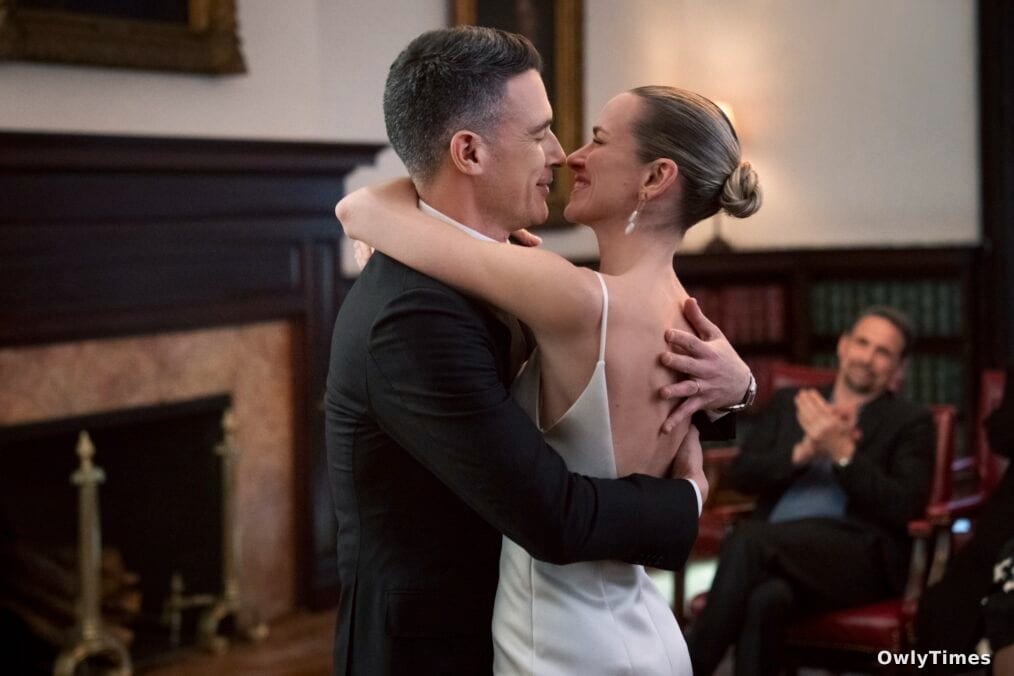

The chipped Formica of Molly’s Bar in Chicago felt a little brighter on February 18, 2020. Not because of any special lighting, but because Randall “Mouch” McHolland and Trudy Platt, two of Chicago Fire’s most beloved, and realistically flawed, characters were finally getting married there. It wasn’t a grand ballroom affair, no sweeping city vistas, just the comfortable, slightly sticky warmth of a neighborhood haunt. And that, more than any fireworks display, speaks to what’s happening across the Dick Wolf universe: a quiet revolution in how television portrays lasting love, and a shrewd understanding of what audiences crave after decades of procedural drama. This Monday, February 23rd, FBI’s Nina Chase and Stuart Scola will add their names to this growing list of Wolf Entertainment couples finally making it official, and it’s a moment that’s been years in the making – both on screen and in the evolving expectations of television viewers.
The Slow Burn Becomes the Standard
For years, network television weddings were often treated as event television, designed to boost ratings and then quickly dismantled with a divorce or contrived tragedy. Think back to the early days of Grey’s Anatomy or even the initial runs of Law & Order: SVU – relationships were often obstacles to the plot, not integral parts of it. But Wolf Entertainment, across Law & Order, One Chicago, and FBI, has been quietly bucking that trend. The weddings of Kim Burgess and Adam Ruzek (Chicago P.D., 2024), Kelly Severide and Stella Kidd (Chicago Fire, 2022), and Amanda Rollins and Sonny Carisi (Law & Order: SVU, 2023) weren’t just standalone episodes; they were the culmination of seasons-long arcs, built on genuine connection and shared trauma. Burgess and Ruzek’s journey spanned over a decade of on-again, off-again tension, finally resolving in a church ceremony that felt earned. Severide and Kidd’s wedding, described as both “intimate and epic,” mirrored the scale of their personalities and the risks they faced in their line of work. Even the impromptu courthouse wedding of Rollins and Carisi, occurring mid-season, felt authentic to the fast-paced, emotionally-charged world of SVU.
Source material: wolfentertainment.com.
Beyond the Ratings: Reflecting a Changing Landscape
This isn’t simply about giving fans what they want, though the fervent online reaction to each of these pairings certainly plays a role. It’s about recognizing a shift in cultural values. We’re living in an era where commitment is increasingly rare, and genuine connection feels harder to find. Audiences are responding to television that acknowledges this reality, and then offers a counter-narrative: the possibility of lasting love, built on mutual respect, shared experiences, and a willingness to work through challenges. The success of these storylines also comes at a time when traditional broadcast television is battling for viewership against streaming services. While streamers often prioritize shock value and cliffhangers, Wolf Entertainment is finding a different path – one that emphasizes emotional resonance and character development. Nielsen ratings for episodes featuring these weddings consistently outperformed season averages, but the real impact is in the sustained engagement and loyalty these storylines generate.
The Power of Procedural Romance
What’s particularly interesting is where these romances are unfolding. These aren’t glossy dramas focused solely on relationships. They’re procedural shows – FBI, Chicago P.D., Law & Order: SVU – where the primary focus is on solving crimes and upholding justice. Injecting genuine, long-term romantic arcs into these narratives adds a layer of complexity and emotional depth that elevates the entire series. It humanizes the characters, making their struggles and triumphs feel more relatable. Nina Chase and Stuart Scola’s wedding, for example, isn’t just a romantic milestone; it’s a testament to their ability to find connection and build a life together amidst the constant pressure and danger of their jobs. It’s a reminder that even in the darkest of circumstances, hope and love can endure. The fact that these relationships aren’t perfect – that Burgess and Ruzek have faced infidelity, that Severide and Kidd have navigated career conflicts – makes them all the more compelling.
What’s Next for the Wolf Universe of Love?
The success of these weddings begs the question: what’s next? Will Wolf Entertainment continue to prioritize long-term romantic arcs, or will they revert to the more traditional episodic storytelling of the past? More importantly, will other procedural dramas take notice and follow suit? The industry is watching closely. The audience has spoken: they want to invest in characters they care about, and they want to see those characters find happiness, even amidst the chaos of their professional lives. The upcoming FBI wedding isn’t just a celebration of Chase and Scola’s love; it’s a signal that television is finally recognizing the power of sustained emotional storytelling, and the enduring appeal of a well-earned “happily ever after.” Will we see more couples from these franchises start families? Will these relationships be tested by new challenges and threats? The answers to those questions will determine whether this shift towards lasting love is a fleeting trend or a permanent fixture of the Dick Wolf universe – and perhaps, of television as a whole.