
A 22% Spike in Input Costs Signals Broader Restaurant Vulnerability
A single restaurant closure – The Federal in Waltham, Massachusetts – might seem like isolated news, but a closer look at the circumstances reveals a pressure point across the entire hospitality sector. The restaurant, which shuttered after seven years despite a proactive attempt to leverage a nearby development project, cited “ever increasing costs” as the fatal blow. This isn’t simply anecdotal; data from the Bureau of Labor Statistics shows food away from home prices have risen 22% since January 2018, the year The Federal opened, while overall inflation clocked in at 19.4% over the same period. Follow the money, and it becomes clear that The Federal’s demise isn’t a story of poor management, but a symptom of a systemic squeeze on margins.
Original reporting: boston.com.
Waltham’s Microcosm Reflects National Trends
Richard Brackett, managing partner of The Federal, publicly expressed hope in February that a planned development at 1265 Main St. – a hotel and residential complex – would boost foot traffic. This illustrates a common strategy for restaurants in softening economic conditions: betting on ancillary development to drive demand. However, relying on future projects to offset present financial strain is a high-risk gamble. The National Restaurant Association reported in March that 52% of operators expect operating conditions to worsen over the next six months, a significant increase from the 38% who felt that way in January. This pessimism isn’t rooted in a lack of consumer desire for dining out; rather, it’s a direct response to escalating costs for everything from prime cuts of beef to basic utilities. The Federal’s menu, featuring items like oysters, crab cakes, and filet mignon, positioned it squarely in the higher-cost segment, making it particularly vulnerable to price fluctuations.
The Cost of Staying Upscale: A Margin Analysis
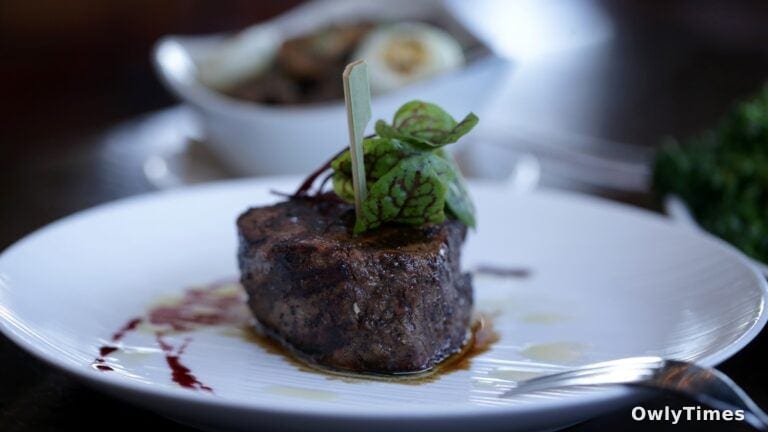
The Federal’s positioning as a “seafood & chophouse” inherently demanded higher ingredient costs. According to market research firm Datassential, seafood prices have increased by an average of 8.5% year-over-year, while premium beef cuts have seen a 10.2% rise. These figures dwarf the overall food price inflation rate of 2.2% reported in the latest Consumer Price Index. This means restaurants like The Federal faced a disproportionate burden in maintaining menu pricing while preserving perceived value. A simple back-of-the-envelope calculation reveals the challenge: a $40 steak in 2018, with a 30% food cost, yields a $28 gross profit. In 2024, that same steak, with a 10.2% price increase for the beef alone, now costs $44, but the restaurant still needs to maintain a 30% margin. To achieve the same $28 gross profit, they’d need to raise the menu price significantly, potentially alienating customers.
Sister Property Survival and the Gift Card Question
The fact that Stazione di Federal, the restaurant’s sister property, will remain open and honor outstanding gift cards is a crucial detail. This suggests a deliberate triage, prioritizing a potentially more resilient concept. Stazione di Federal, offering a different menu and likely a lower price point, may be better positioned to weather the storm. However, honoring gift cards represents a short-term financial obligation for the remaining business. While the total value of outstanding gift cards isn’t publicly available, it’s a cost that must be absorbed, further tightening margins. This practice, while customer-friendly, highlights the difficult choices restaurant groups are making to maintain brand reputation amidst financial pressure. It also raises a question for consumers: are gift cards to independent restaurants truly a safe investment, especially in the current economic climate?
What This Means for Your Wallet
The closure of The Federal isn’t just a loss for Waltham diners; it’s a warning sign. Expect to see continued pressure on restaurant pricing, with upscale establishments facing the most acute challenges. Restaurants will likely respond with smaller portion sizes, menu rationalization (reducing the number of offerings), and increased reliance on value-driven promotions. For consumers, this means a diminished dining experience at a higher cost. The key takeaway is to be prepared for a shift in the restaurant landscape, where sustainability and affordability will increasingly dictate success. Watch closely for restaurants offering transparent pricing breakdowns – those willing to show why prices are increasing may be better positioned to build trust and retain customers in this volatile environment.





