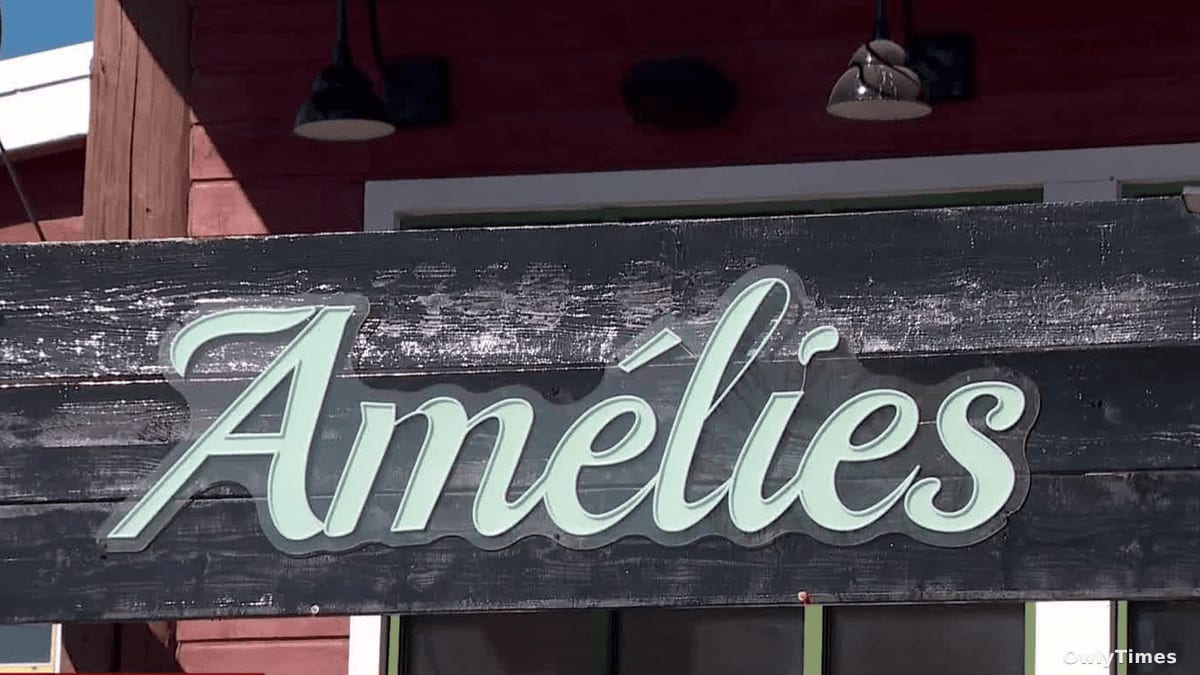

A 30-Day Window: Boise’s Amélies and the Razor’s Edge of Restaurant Economics
A 30-day survival window. That’s the stark reality facing Amélies, a French-inspired restaurant in Boise, and it’s a microcosm of the pressures currently squeezing independent restaurants nationwide. While the story is framed as a local struggle, the situation at Amélies – owned by Jason Wang – reveals a broader trend: escalating operating costs coupled with increasingly fickle consumer spending are creating a high-failure environment, even for businesses willing to adapt. Follow the money, and the picture isn’t about a single restaurant’s missteps, but about a systemic shift in the economics of dining.
Based on the original idahonews.com report.
The restaurant’s journey from a seafood boil house, initially branded Country Bay Bistro, to its current French-inspired concept is indicative of a common strategy for restaurants attempting to find a profitable niche. However, pivoting isn’t a guaranteed solution. According to data from the National Restaurant Association, the average restaurant profit margin hovers around 3-5%. This leaves incredibly little room for error, and even a modest increase in ingredient costs or a dip in foot traffic can quickly become existential. Amélies’ current predicament suggests those margins have been eroded, and the shift in concept, while potentially appealing, hasn’t yet translated into sustainable revenue. The fact that Wang describes the situation as “sink or swim” isn’t hyperbole; it’s a statistically accurate assessment of the industry’s current climate.
The timing of Amélies’ struggle is particularly noteworthy. While overall restaurant sales increased by 4.2% in 2025, according to the Bureau of Labor Statistics, that growth was largely driven by price increases, not volume. Consumers are demonstrably spending more per meal, but aren’t necessarily dining out more often. This dynamic creates a precarious situation for restaurants like Amélies, which are attempting to position themselves as “elevated dining” experiences. Consumers may be willing to pay a premium occasionally, but sustained spending at higher price points requires consistent quality, exceptional service, and a compelling value proposition – factors that are difficult to establish and maintain in a volatile economic environment. The restaurant’s reliance on a social media “30-day challenge” and a single “Community Night” event highlights the urgency and limited resources available.
The “30-day restaurant challenge” – a social media campaign designed to rally community support – is a clever tactic, but its effectiveness is uncertain. While social media marketing can generate buzz, converting online engagement into consistent patronage is a significant hurdle. The success of this campaign will depend heavily on Amélies’ ability to clearly articulate its unique value proposition and differentiate itself from the numerous other dining options in the Boise area. Consider that Boise’s restaurant density is 2.8 restaurants per 1,000 residents, slightly above the national average of 2.5. This increased competition means Amélies isn’t just fighting for survival against economic headwinds, but against a crowded marketplace.
What this means for your wallet: Amélies’ situation isn’t an isolated incident. Expect to see more independent restaurants facing similar pressures in the coming months. The question isn’t if more restaurants will close, but which ones. Pay attention to restaurants in your community that are actively engaging with customers and demonstrating a clear understanding of their target market. Those are the businesses most likely to weather the storm. More importantly, consider whether your dining habits are contributing to the problem – are you prioritizing price over supporting local businesses, or are you willing to invest in the unique experiences that independent restaurants offer? The future of Boise’s dining scene, and countless others across the country, may depend on the answer.





