
For years, the scientific community has underscored the critical role of dietary fiber in maintaining overall health. Yet, a persistent question remains: what is the optimal amount, and how do individuals truly achieve it? This inquiry has gained new urgency with the rise of online wellness trends, notably "fibermaxxing," where individuals actively seek to maximize their fiber intake. But does more fiber always translate to better health, or is there a point where the pursuit of a good thing can become counterproductive?
The Pervasive Fiber Gap
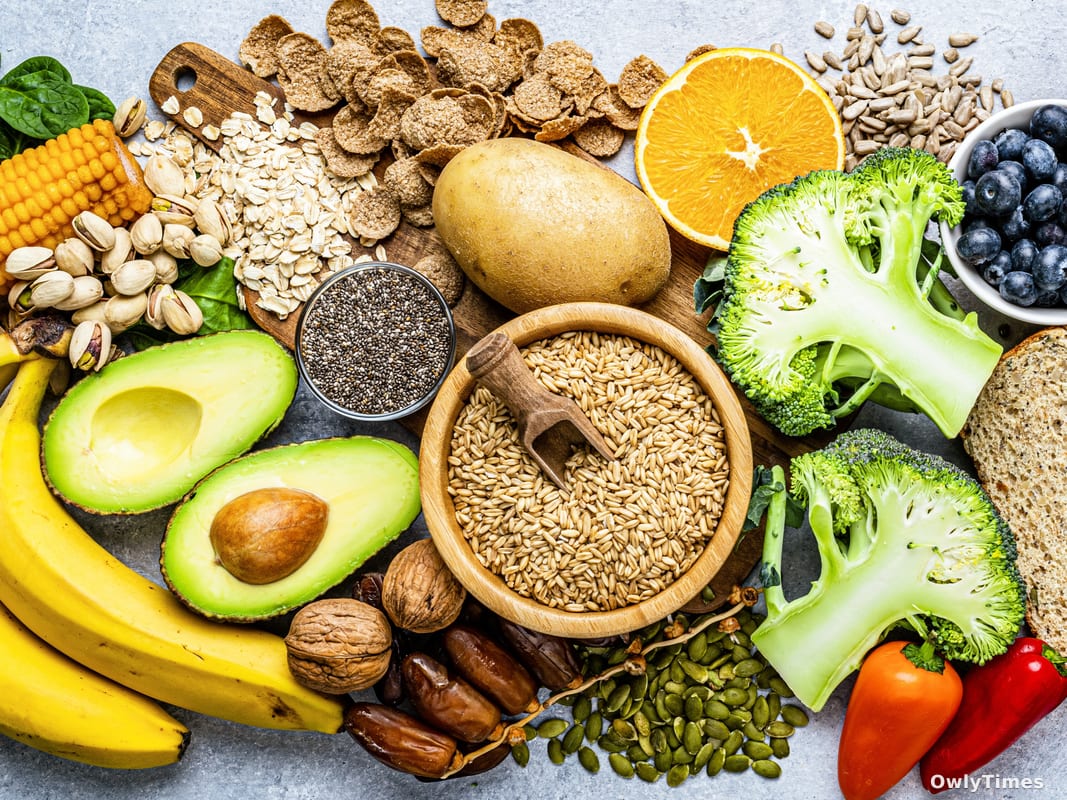
The fundamental scientific understanding of fiber is clear: it's a type of carbohydrate our bodies cannot digest, yet it's indispensable for various bodily functions. Found abundantly in fruits, vegetables, whole grains, and beans, fiber contributes to feelings of fullness, supports a healthy gut microbiome, and ensures regular bowel movements. Despite these well-established benefits, the average person consumes a mere 10-15 grams of fiber per day, according to the USDA. This figure stands significantly below the recommended daily amount, creating a substantial "fiber gap" that health professionals have long aimed to bridge. The implications of this consistent shortfall are far-reaching, contributing to prevalent digestive issues and potentially impacting long-term metabolic health.
Beyond the Hype: Calibrating Fiber for Health
In response to this widespread deficit, online communities have championed "fibermaxxing," encouraging individuals to meet or even exceed daily fiber recommendations. This trend, while born from a valid premise—that most people need more fiber—often simplifies a complex nutritional science. What the scientific consensus actually indicates, in contrast to what headlines or social media trends might claim, is that while increasing fiber from a low baseline is almost universally beneficial, the concept of "optimal" is nuanced. Gastroenterologist Berkeley Limketkai emphasizes the need to "parse the science on how little fiber is too little, how much fiber is too much – and, like Goldilocks, how we can figure out the amount that’s just right." This "just right" balance acknowledges that extreme approaches, even to healthy practices, can sometimes overlook individual physiological differences and lead to unintended consequences.
Navigating the Nuances of High-Fiber Diets
While the intent behind "fibermaxxing" is positive, indiscriminately consuming vast quantities of fiber without careful consideration can lead to digestive discomfort, including bloating, gas, and cramping. The key isn't simply consuming more fiber, but rather incorporating a variety of fiber sources gradually and ensuring adequate hydration. For instance, different types of fiber—soluble and insoluble—play distinct roles in the body, and a balanced intake of both is crucial. Soluble fiber, found in oats and beans, helps regulate blood sugar and cholesterol, while insoluble fiber, present in wheat bran and vegetables, aids in bowel regularity. The abrupt introduction of high-fiber foods can overwhelm the digestive system, highlighting that even beneficial dietary changes require a thoughtful, phased approach to allow the body to adapt.
Limitations to Consider
A significant limitation in dietary recommendations, especially regarding fiber, is the inherent variability among individuals. Factors such as existing gut health, specific medical conditions like Irritable Bowel Syndrome (IBS), and even the composition of one's unique gut microbiome mean that a blanket recommendation may not suit everyone. What is "just right" for one person could be too much or too little for another. The scientific literature often provides general guidelines, but these are not prescriptive for every single person. Furthermore, relying solely on supplements for fiber intake, rather than whole foods, may miss out on other beneficial nutrients and phytonutrients that naturally accompany fiber in plant-based foods.
The Ongoing Quest for Personalized Nutrition
The journey to understand optimal dietary fiber intake is an ongoing scientific endeavor. Rather than a definitive, static target, the focus is increasingly shifting towards personalized nutrition, where individual needs and responses are considered paramount. Future research will likely continue to explore the intricate relationship between different types of fiber, the gut microbiome, and overall health outcomes. This evolving understanding will help refine dietary advice, moving beyond broad recommendations to more tailored guidance. The work of experts like Dr. Limketkai in clarifying these complex interactions is vital, continually guiding the public towards evidence-based choices rather than succumbing to fleeting trends. For those interested in delving deeper into food and dietary science, platforms like Short Wave offer valuable insights, with options to support their work through subscriptions like Short Wave+ at plus.npr.org/shortwave. The continuous dialogue between scientific discovery and public health education, as championed by organizations such as NPR, will be crucial in helping individuals navigate their path to genuinely optimal health.





