
Beyond Skimmers and Robots: Could Fire Tornadoes Be the Future of Oil Spill Cleanup?
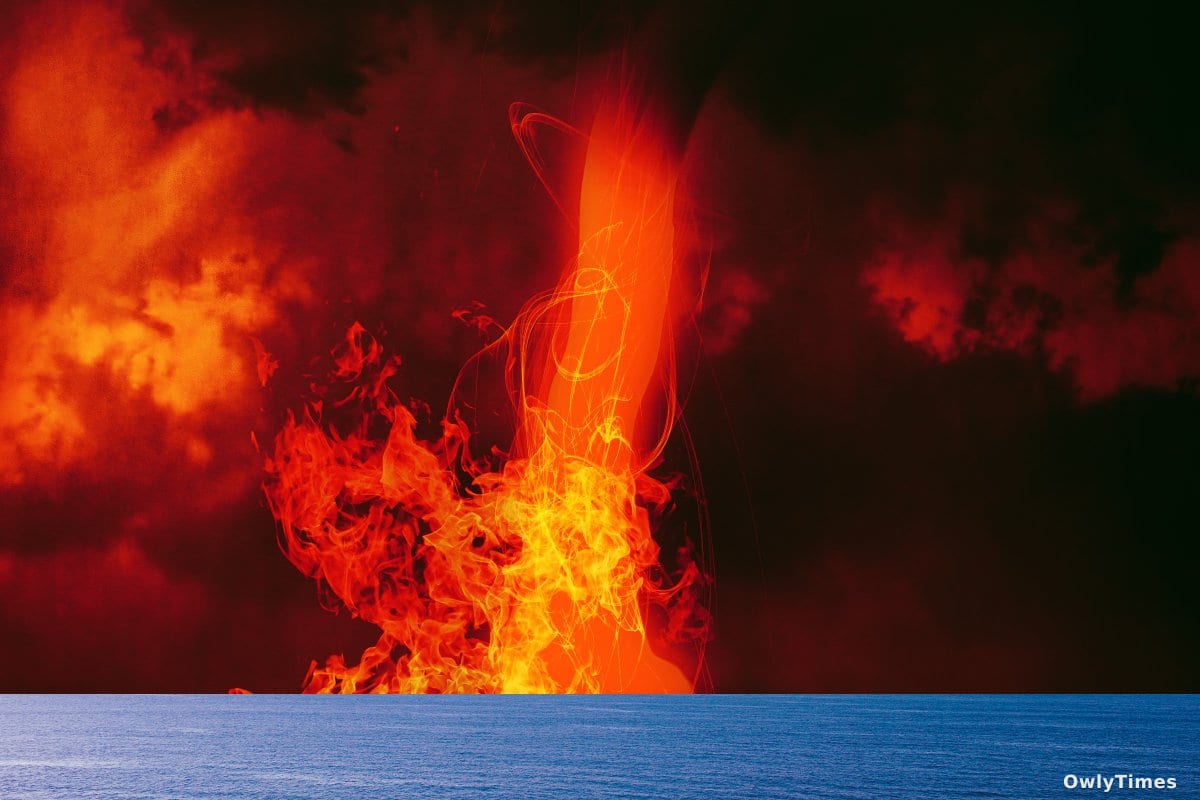
The image is arresting: a swirling column of flame rising from the ocean’s surface. It’s a scene more reminiscent of a disaster movie than an environmental solution, yet researchers at Texas A&M University are seriously investigating the potential of engineered fire whirls – essentially, controlled fire tornadoes – as a novel method for oil spill remediation. This isn’t about abandoning established cleanup techniques, but rather addressing a critical gap in current strategies: speed and efficiency. While innovations like robotic skimmers and bioremediation offer promise, they often struggle to keep pace with rapidly spreading spills, leaving vulnerable coastlines exposed for extended periods. The question isn’t simply can we burn oil at sea, but how can we burn it faster, cleaner, and with greater control?
See the original futurism.com story for the full account.
The core principle behind this approach hinges on intensifying combustion. Current in-situ burning – the practice of igniting oil slicks directly on the water – is a standard, though imperfect, response to large spills. It’s effective at removing significant quantities of oil, but it’s also relatively slow and produces substantial soot, a particulate matter contributing to air pollution. Elaine Oran, professor of aerospace engineering at Texas A&M, and her team hypothesized that a fire whirl, with its concentrated, upward-spiraling flame, would dramatically increase the burn rate and reduce soot production. This isn’t a new phenomenon; naturally occurring fire whirls have been observed during wildfires, but intentionally creating and controlling one is a significant engineering challenge.
To test this theory, the team constructed a controlled environment using three 16-foot walls arranged in a triangular configuration. This setup successfully generated a fire whirl reaching 17 feet in height, allowing researchers to meticulously measure its performance. The results, published in the journal Fuel, were compelling. The controlled fire whirl burned up to 95% of the fuel, a comparable rate to in-situ burning, but crucially, it produced 40% less soot. This reduction in particulate matter is a key finding, addressing a major environmental concern associated with traditional burn-off methods. It’s important to note, however, that these experiments were conducted on a relatively small scale, using a controlled fuel mixture designed to mimic crude oil. The behavior of a fire whirl in the open ocean, with varying wave conditions and wind patterns, could differ significantly.
Scaling Up: The Engineering Hurdles and Environmental Concerns
The leap from a controlled laboratory experiment to open-ocean deployment is substantial. Maintaining the stability and control of a fire whirl in a dynamic marine environment presents significant engineering hurdles. The Texas A&M team is currently focused on refining the wall configurations and fuel delivery systems to optimize whirl formation and longevity. Oran emphasizes that the goal isn’t simply to create a large fire, but to “harness the chaotic nature of fire whirls as a powerful, precise restoration tool.” This precision is critical, as uncontrolled fire whirls could pose a safety risk to cleanup crews and potentially impact marine life. The team is also investigating the impact of the intense heat generated by the whirl on surrounding water temperatures and the potential for localized atmospheric effects.
It’s also crucial to understand what the study didn’t find. The published data focuses primarily on soot reduction and burn efficiency. It doesn’t yet address the long-term ecological consequences of exposing marine ecosystems to intense heat and combustion byproducts, even if soot levels are lower. While 40% less soot is a positive step, the remaining soot, along with other combustion products, still contribute to air and water pollution. Furthermore, the energy required to initiate and sustain a fire whirl – likely involving specialized equipment and fuel – hasn’t been fully quantified, raising questions about the overall environmental footprint of the technology.
Beyond Remediation: A Shift in Oil Spill Response Philosophy?
The potential benefits of fire whirl technology extend beyond simply cleaning up spills faster. Oran points out that the increased burn rate could significantly reduce the window of opportunity for oil to spread, minimizing the impact on sensitive coastal habitats. This represents a potential shift in oil spill response philosophy, moving from a reactive containment strategy to a more proactive and aggressive removal approach. However, this shift requires careful consideration of the risks and benefits, as well as a robust regulatory framework to ensure responsible deployment. The current regulatory landscape surrounding in-situ burning is already complex, and the introduction of fire whirl technology would necessitate further clarification and adaptation.
Looking ahead, the next crucial research step involves conducting larger-scale, open-water trials. These trials will need to address the challenges of maintaining whirl stability in realistic sea conditions and accurately assessing the environmental impact on marine ecosystems. Researchers will also need to develop sophisticated monitoring systems to track the spread of combustion byproducts and ensure the safety of cleanup personnel. The question now isn’t just whether fire whirls can clean up oil spills, but whether they should, and under what carefully defined circumstances. Will we see a future where fire tornadoes are a standard tool in the oil spill response arsenal, or will the engineering and environmental challenges prove insurmountable? The coming years of research will be critical in determining the answer.





