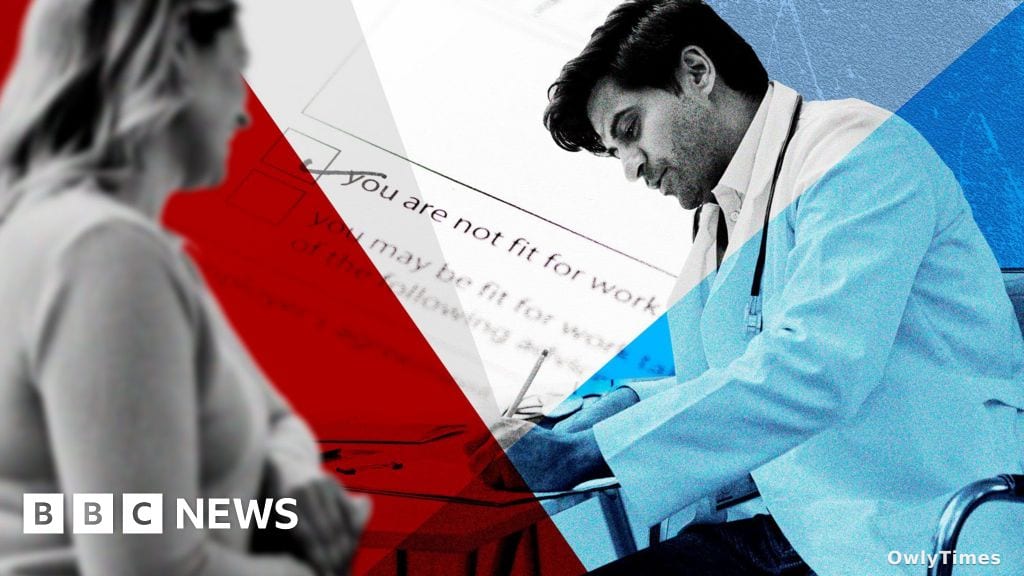

The rising tide of fit notes – commonly known as sick notes – issued in England isn’t simply a reflection of a sicker population, but a symptom of a system straining under complex pressures. While headlines focus on the sheer number of these documents being handed out, a recent investigation by the BBC, surveying over 750 GPs, reveals a deeper tension: a growing discomfort among physicians with their role in certifying a patient’s inability to work, particularly when the stated reason is mental health. This isn’t a story about doctors shirking their duty, but about a system that increasingly positions them as arbiters in a fraught intersection of healthcare, employment, and economic stability.
The BBC questionnaire, sent to over 5,000 GPs with a response rate exceeding 15%, uncovered a striking pattern. A majority – 540 of the 752 respondents – reported never having refused a fit note request based on mental health. However, 162 GPs admitted to denying at least one such request, highlighting a clear, though not overwhelming, divergence in practice. It’s crucial to understand this isn’t about denying the validity of mental health struggles. Rather, the responses reveal a system where GPs feel ill-equipped to assess fitness for work, caught between advocating for their patients and navigating a process they perceive as fundamentally flawed. The data also shows a significant increase in fit note issuance overall; nearly 850,000 more were issued in the most recent year compared to six years prior, a nearly 10% increase.
Original reporting: the BBC.
What’s particularly noteworthy is what isn’t specified on these notes. BBC analysis of NHS data reveals that 72% of fit notes lack a specific reason for the absence. Yet, mental health and behavioural disorders accounted for over 956,000 of the notes issued last year – far surpassing any other condition. This lack of diagnostic detail, while intended to protect patient privacy, creates ambiguity and fuels concerns about potential misuse. Dr. Richard Peters, Chief Medical Officer at Jaguar Land Rover (JLR), acknowledges that firms have “a part to play” in supporting employees with health conditions, but the current system offers limited insight into the specific needs of the individual, hindering effective workplace adjustments.
The GPs who responded to the BBC weren’t shy about voicing their frustrations. Many described the process as an unwelcome intrusion into their clinical role, feeling they were being asked to “police the sick note system” rather than provide care. One physician poignantly stated, “It is hard to be patient’s advocate and a judge.” This sentiment underscores a fundamental conflict: the expectation that GPs simultaneously support their patients and act as gatekeepers to social benefits. The survey also revealed instances of patient aggression when requests were denied, with one GP recounting a situation where a patient refused to leave the practice without a note, highlighting the potential for escalating conflict.
However, it’s important to acknowledge the limitations of this study. The GPs who chose to respond to the BBC questionnaire may not be fully representative of all family doctors in England. Those with particularly strong opinions – either positive or negative – may have been more likely to participate, introducing a potential bias. Furthermore, the survey relies on self-reported data, which is subject to recall bias and social desirability effects. It’s also crucial to remember that the data doesn’t break down fit note issuance by age, despite several GPs noting a perceived trend of younger adults requesting time off for anxiety and depression.
The government, recognizing the systemic issues, is already exploring alternatives. They are piloting “stay in/return to work” plans developed in collaboration with businesses like JLR, which has established “centres of wellbeing” for its employees offering preventative care and occupational health support. While these initiatives are promising, concerns remain about scalability, particularly for small businesses already grappling with upcoming changes to statutory sick pay. Tina McKenzie, from the Federation of Small Businesses, rightly points out that adding the cost of occupational health advice and fit note provision would create further financial strain. Tom Pollard, head of policy at the mental health charity Mind, cautions that any new system must prioritize trust and compassion, ensuring individuals aren’t pressured to work before they are genuinely ready.
The current situation demands a shift in focus. Instead of solely relying on GPs to assess fitness for work, the conversation needs to center on proactive workplace support and early intervention for mental health concerns. The question now isn’t simply how we issue fit notes, but why so many people feel they need them in the first place. Will the government’s pilot programs prove effective in fostering a more supportive and preventative approach, or will we continue to rely on a system that places undue burden on both physicians and patients? The coming months will be critical in determining whether these reforms can truly address the underlying issues driving the rise in fit note issuance and, more importantly, improve the wellbeing of the workforce.