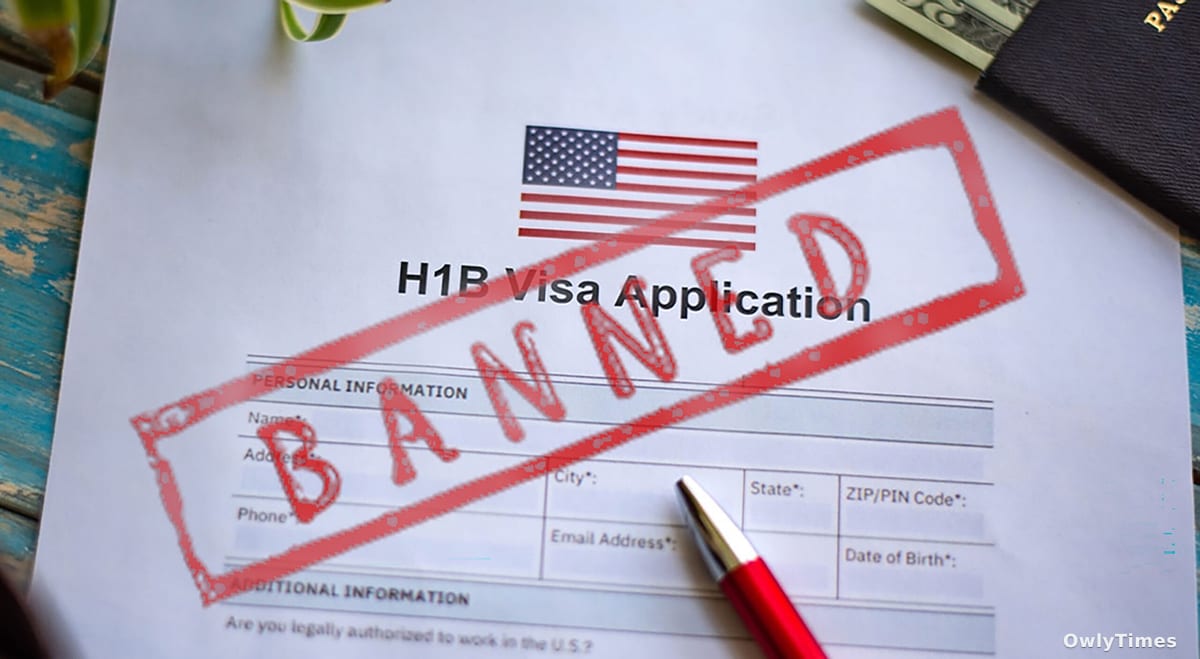

The impending vote by Florida’s Board of Governors to halt H-1B visa hires isn’t simply about restricting immigration; it’s a calculated move to consolidate Ron DeSantis’ control over the state’s universities and signal a broader realignment of priorities within the state’s political landscape. The proposed one-year ban, framed as a pause for study, is a direct response to DeSantis’ October call to “pull the plug” on the program, and its near-certain approval demonstrates the extent to which the Board – largely populated by gubernatorial appointees – operates as an extension of the executive branch. This isn’t an isolated incident, but a continuation of a strategy to reshape Florida’s institutions in line with a nationalist political agenda.
The H-1B visa program, established in 1990, allows U.S. employers to hire foreign professionals with specialized skills. As of last year, over 500 foreign nationals were employed at Florida’s universities through this program. The optics of restricting this pathway, however, are proving more valuable to DeSantis than the actual economic impact. The governor’s pointed questions – “Are you kidding me? We can’t produce an assistant swim coach from this country?” – aren’t genuine inquiries about workforce development, but rhetorical devices designed to tap into anxieties about American jobs and national self-sufficiency. This echoes the “America First” rhetoric championed by Donald Trump, whose policies, including increased visa fees and restrictions on legal immigration, laid the groundwork for this current wave of tightening measures. The parallel move in Texas, with Greg Abbott directing a similar freeze through May 2027, underscores this emerging trend among Republican governors.
Source material: Florida Politics.
Who benefits and who loses from this policy shift? DeSantis clearly benefits politically, solidifying his base and projecting an image of decisive leadership. The universities, however, stand to lose access to a vital talent pool, potentially hindering research and innovation. Carson Dale, student body president of Florida State University and a Board member, rightly points out that the pause “materially constrains our ability to hire based on merit.” The claim, repeatedly made by DeSantis, that these visas displace American workers is challenged by analysts like Thomas Kennedy of the Florida Immigration Coalition, who argues the numbers are “not statistically significant.” Kennedy’s assessment highlights a crucial tension: the policy is presented as economic protectionism, but the actual impact on American employment is minimal, while the potential for exploitation of H-1B visa holders – often paid less than their American counterparts and lacking robust labor protections – is significant.
The timing of this move is also revealing. It comes after a year of legislative attempts to further restrict immigration, many of which failed to gain traction. The Board of Governors’ action circumvents the legislative process, allowing DeSantis to achieve his policy goals through executive influence. This tactic mirrors historical precedents, such as the use of executive orders to implement immigration restrictions during periods of heightened political polarization. Consider the Chinese Exclusion Act of 1882, initially driven by economic anxieties and anti-immigrant sentiment, and later reinforced through administrative actions. While the current situation lacks the overt racial animus of the 19th century, the underlying dynamic – leveraging immigration policy for political gain – remains consistent. The $100,000 application fee imposed under a Trump executive order, effectively pricing universities out of the H-1B market, further illustrates this trend of administrative obstruction.
The stated justification for the pause – a study of the program’s cost and usage – rings hollow. Ray Rodrigues, chancellor of the State University System, acknowledges this is a temporary measure to allow for analysis, but the speed with which the Board is moving suggests the outcome is predetermined. Alan Levine, the Board chair, encourages consultation with universities, but the composition of the Board and DeSantis’ clear directive indicate that dissenting voices will likely be marginalized. Even Chuck Clemons, the University of Florida’s top lobbyist, concedes the moratorium could curtail UF’s ability to fill critical medical positions, acknowledging a practical downside to the policy. The question now isn’t if the ban will be approved, but whether the subsequent “study” will genuinely inform future policy or simply serve as a justification for a permanent restriction. The political chess move to watch next is whether DeSantis will leverage the findings of this study to push for broader immigration reforms through the legislature in the 2025 session, potentially targeting other visa programs and further consolidating his control over Florida’s institutions.





