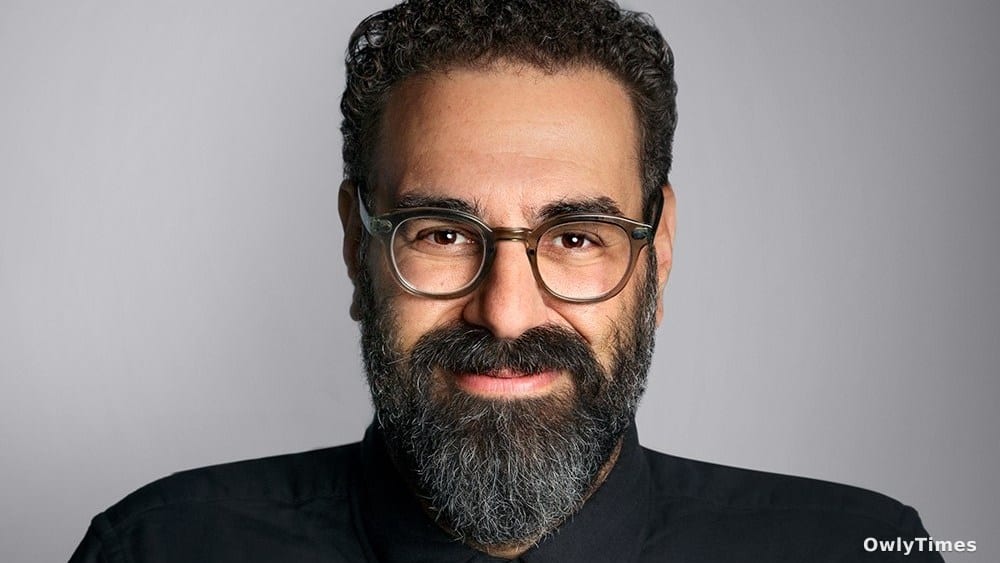

The scent of burnt sugar and perfectly plated ambition hung heavy in the air at CES 2026 when Fox Entertainment first unveiled Fox Creator Studios. It wasn’t a flashy product demo or a new streaming device stealing the show, but a quiet acknowledgment of a power shift in entertainment: the creator wasn’t knocking on Hollywood’s door anymore, they were the door. Now, with the appointment of Billy Parks as head of the division, Fox isn’t just acknowledging the shift, it’s betting big on navigating it – and the stakes are higher than ever. This isn’t simply about signing YouTube stars; it’s about a fundamental reimagining of how intellectual property is built, monetized, and sustained in a world where audiences are increasingly fragmented and loyalty is earned, not bought.
The Hollywood-Creator Divide, and Why Fox is Trying to Bridge It
For decades, the entertainment industry operated on a fairly predictable model: studios developed content, networks distributed it, and audiences consumed it. Creators were, largely, cogs in that machine. But the rise of platforms like YouTube, TikTok, and Twitch flipped the script. Individuals could amass massive followings, build thriving communities, and generate significant revenue without needing traditional gatekeepers. This created a tension – a perceived threat to the established order – and a lucrative opportunity. Rob Wade, CEO of Fox Entertainment, frames the move as a “fundamental evolution,” but the undercurrent is clear: Fox needs creators as much as creators need Fox. The company’s initial focus on food-centric talent – Gordon Ramsay’s Studio Ramsay Global, Rosanna Pansino, and others – isn’t accidental. Food content consistently performs well across platforms, offering a relatively low-risk entry point for testing the creator-studio partnership model. But the real test will be expanding beyond this niche.
This article draws on reporting from variety.com.
Parks’ resume reads like a roadmap of the creator economy’s evolution. From his early work producing commercials and music videos for icons like Beyoncé and Jay-Z, to his time at Peter Chernin’s The Chernin Group and Conan O’Brien’s digital ventures, Parks has consistently been on the front lines of identifying and scaling creator-driven content. His recent stint as a venture partner at Slow Ventures’ creator fund is particularly telling. It signals a shift from simply working with creators to investing in their long-term success, understanding them not just as talent, but as entrepreneurs. This is a crucial distinction. As Parks himself notes, “Creators today aren’t waiting for permission.” They’re building businesses, and Fox needs to offer them more than just a check – they need to offer infrastructure, expertise, and a genuine partnership.
Beyond the Food Feed: Fox’s Broader Digital Play
The appointment of Parks isn’t happening in a vacuum. It’s part of a larger, ambitious digital strategy at Fox Entertainment. The company’s investments in vertical-video platform Holywater (with a content deal with Dhar Mann), experiential storytelling via Chain, the acquisition of rom-com podcast company Meet Cute, and a partnership with HarperCollins Publishing all point to a desire to diversify beyond traditional television and streaming. These moves, however, are not without risk. The digital landscape is notoriously fickle, and what’s trending today can be forgotten tomorrow. Holywater, for example, faces fierce competition from established platforms like TikTok and Instagram Reels. The success of these ventures hinges on Fox’s ability to identify emerging trends, adapt quickly, and – crucially – integrate these platforms into a cohesive ecosystem.
The challenge for Fox is to avoid the pitfalls that have plagued other media companies attempting to crack the creator code. Many have treated creators as simply a source of cheap content, failing to recognize their value as brand builders and community leaders. Others have struggled to balance creative freedom with brand safety, leading to messy breakups and damaged reputations. Fox’s stated goal of “translating audience engagement into long-term intellectual property value” suggests a more sophisticated approach, but execution will be key. The company needs to demonstrate that it can provide creators with the resources they need to grow their businesses without stifling their creativity or compromising their authenticity.
What This Means for the Future of Entertainment
The rise of the creator economy isn’t just a technological shift; it’s a cultural one. It reflects a growing desire for authenticity, community, and direct connection between creators and their audiences. Traditional media companies are scrambling to adapt, and Fox’s move with Fox Creator Studios and Billy Parks is a significant indicator of where the industry is headed. The question now is whether Fox can truly embrace the creator mindset, or if it will ultimately try to shoehorn creators into a traditional Hollywood mold. Will Parks be given the autonomy to build a genuinely creator-centric organization, or will he be constrained by the legacy structures and priorities of a major media conglomerate? The answer to that question will not only determine the success of Fox Creator Studios, but also offer a glimpse into the future of entertainment itself. We’ll be watching closely to see if Fox can successfully navigate this new landscape, or if it will become another cautionary tale of a legacy media company struggling to adapt to the age of the creator.