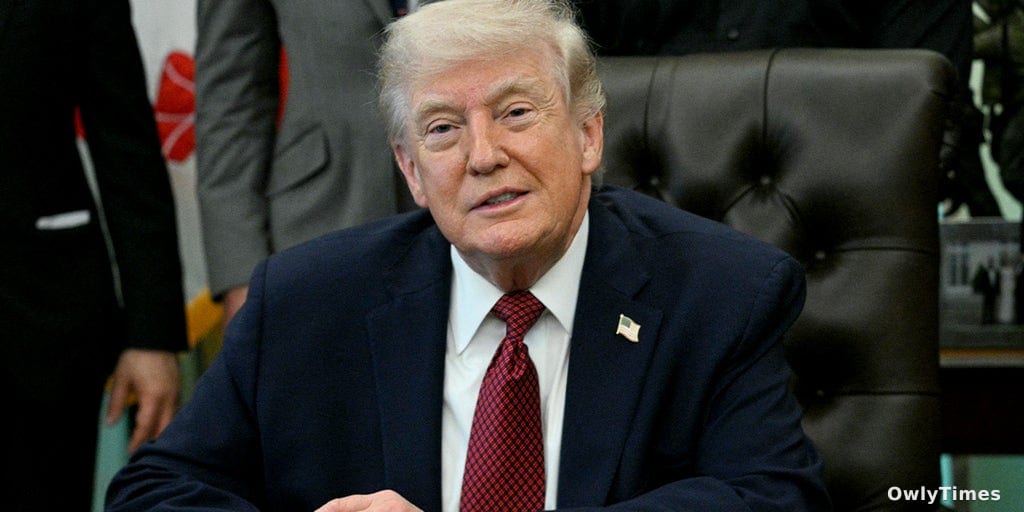

24 hours of continuous news coverage defines the current operational mandate for Fox Business, a platform that has pivoted toward an "always-on" model to capture the volatility of global markets. By maintaining a constant stream of live updates and breaking video content, the network is attempting to bridge the gap between traditional broadcast journalism and the high-frequency demands of modern retail investors. This strategy relies on the assumption that in an era of global economic uncertainty, the shelf life of financial data is measured in minutes rather than hours.
The Architecture of Constant Financial Reporting
The operational strategy at Fox Business centers on providing a persistent flow of economic news, ranging from global market shifts to granular updates on commodities and stock quotes. By segmenting their output into specific verticals like Economy, Markets, and Personal Finance, the network is essentially mapping the diverse interests of its audience. This approach reflects a broader industry shift where news outlets function as utility providers, offering data points that consumers use to make immediate decisions about money management or home ownership.
Follow the money: the network’s decision to integrate lifestyle and technology content alongside hard economic reporting suggests a focus on the broader impact of business trends. By analyzing how gadget trends or tech leadership insights correlate with market performance, Fox Business is positioning itself as a hub for holistic financial analysis. This creates a feedback loop where the viewer is not just consuming headlines, but observing the interconnectedness of political policy, technological advancement, and personal wealth.
Navigating the Volatility of Global Markets
The network’s commitment to providing the latest financial forecasts and US market updates serves as a direct response to the increasing unpredictability of global trade. By keeping the audience updated on the global economy around the clock, the platform addresses the reality that market shocks no longer adhere to a standard nine-to-five schedule. For the individual investor, this signifies a departure from static daily reports toward a model where situational awareness is the primary metric of value.
The integration of political analysis into the business narrative underscores the reality that regulatory shifts remain a primary driver of market sentiment. When the network tracks trending political news, it is providing the context necessary to interpret legislative impacts on business sectors. This is a crucial distinction in a financial environment where a single policy announcement can recalibrate the valuation of an entire industry overnight.
What This Means for Your Wallet
For the average consumer, the shift toward 24-hour financial coverage means that access to information is no longer a competitive advantage; the real challenge is filtering the noise. As Fox Business continues its cycle of live reporting, the primary takeaway for your wallet is the need for a disciplined approach to the data being presented. Watching the latest updates on commodities and market trends is only as useful as your ability to distinguish between short-term volatility and long-term economic signals.
The next reading of market performance and economic forecasts provided by these live streams will show whether the current volatility represents a temporary correction or a deeper structural change in the economy. Investors who use these tools to monitor their personal finance strategies should prioritize long-term stability over the reflexive reactions that 24-hour news cycles often encourage. Staying informed is a baseline requirement, but the ultimate measure of your financial health remains your consistent application of that information to your personal investment thesis.