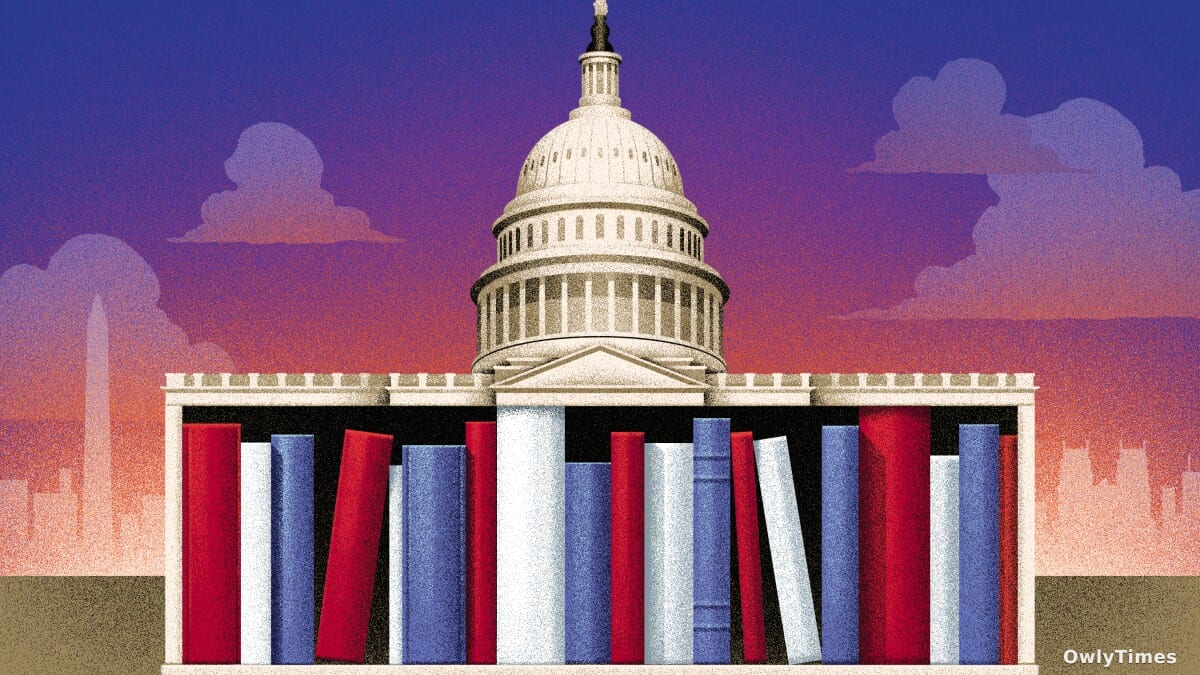

Only 20 percent of U.S. students currently take a business course in high school, a figure that highlights a significant disconnect between student demand and curriculum availability. This fall, the College Board intends to bridge that gap with the launch of AP Business with Personal Finance, a strategic pivot designed to capture student interest while addressing long-standing criticisms regarding the accessibility of advanced coursework.
Follow the money: the College Board, under the leadership of CEO David Coleman, is betting that the path to increased market share lies in aligning its offerings with career readiness. By merging entrepreneurship with personal finance, the organization is attempting to transform what Coleman describes as a "new liberal art for our time." The financial incentive for the institution is clear; by expanding the definition of an AP student to include those previously outside the "walled garden" of traditional advanced placement, the College Board secures its relevance in an era where Gen Z expresses increasing skepticism toward traditional economic institutions.
The curriculum design itself reflects a calculated effort to institutionalize practical skill-building. Developed over three years in collaboration with business professors from MIT, Northwestern, and Vanderbilt, the course aims to standardize financial literacy across diverse demographics. For the College Board, the success of this rollout is not merely academic; it is a defensive move against the broader trend of educational disruption. As AI-driven job displacement concerns rise, the organization is positioning its proctored, high-stakes assessments as the "trusted" alternative to AI-generated learning.
This expansion is also a play for deeper integration into the national workforce pipeline. Coleman is leveraging partnerships with organizations such as DECA, Business Professionals of America, and Future Business Leaders of America to move beyond the traditional college-prep demographic. Furthermore, the inclusion of case studies centered on rural small businesses suggests a specific effort to penetrate school districts that have historically underutilized AP programs. By aligning with employers like IBM, Cisco, Nissan, and Provalus, the College Board is effectively creating a credentialing system that promises workforce readiness, effectively blurring the lines between career-technical education and the traditional college track.
The underlying tension in this strategy is the risk of alienating the program's core base. While Coleman dismisses concerns about diluted rigor as "short-sighted snobbery," the expansion into career-focused subjects creates a potential contradiction: the more accessible the program becomes to a broader student body, the more the College Board must fight to maintain the perception of elite status that drives its brand value. The pivot is essential for the organization’s survival in an age of AI, where the value of standardized testing is increasingly under scrutiny, yet it invites a new set of logistical hurdles regarding implementation and teacher training.
For students and parents, the shift signals a change in how secondary education is being commoditized. The course represents a move toward education as a direct utility—a way to build "economic agency" rather than simply accumulating college credits. As this new curriculum hits classrooms, the primary indicator of its success will be the enrollment demographics. If the program fails to capture students who have never previously enrolled in an AP course, it will likely be viewed as a structural failure by the College Board. The upcoming enrollment figures for the next academic cycle will serve as the first measurable signal of whether this pivot to "business as a liberal art" can effectively replace student anxiety with institutional participation.