
Is anyone actually watching television anymore, or are we all just performing the idea of watching television for social media? The nightly ritual of “appointment viewing” – settling in at a specific time for a specific show – is supposedly dead, killed by streaming and on-demand everything. Yet, a glance at the primetime schedules of traditional networks like Fox reveals a stubborn persistence, a carefully constructed lineup designed to capture… someone’s attention. The real story here isn't the death of television, it's the increasingly desperate attempt to define who television is for, and what that means for the rest of us.
The Primetime Fortress: A Schedule Built on Familiarity
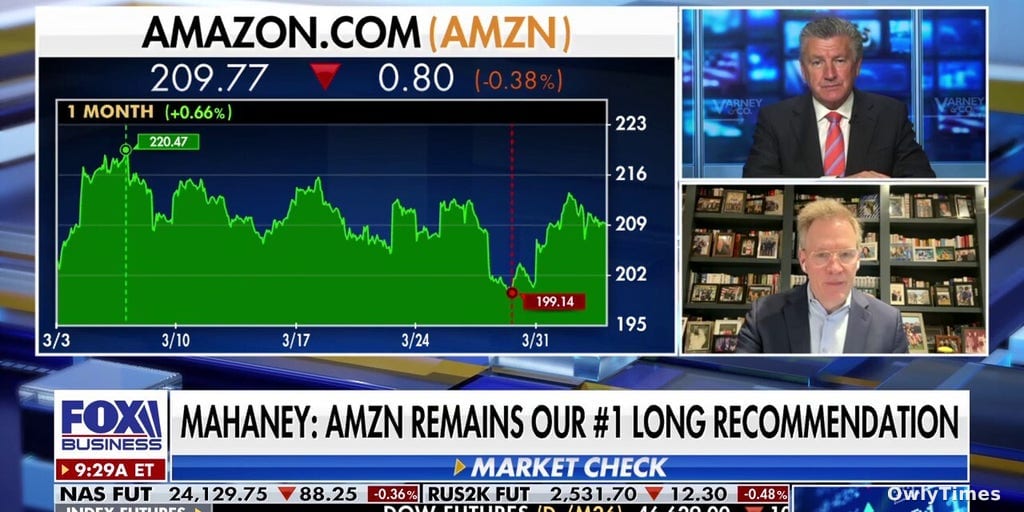
As of tonight, Fox Business Channel is dedicating its entire primetime block – 8:00 PM to 11:00 PM Eastern – to reruns of COPS. Yes, COPS. The show, a staple of reality television for decades, showcasing police activity, was canceled in 2020 amidst protests against police brutality, then quietly resurrected. Its return, and its current dominance of an entire network’s primetime, isn’t about ratings; it’s about signaling. It’s a very clear message to a specific demographic about what Fox believes they want to see. Meanwhile, Fox News Channel is leaning heavily into its opinion-driven programming with Jesse Watters Primetime, Hannity, and Gutfeld! filling the 8:00 PM to 11:00 PM slot. This isn’t a network experimenting with new formats; it’s doubling down on what it already knows works with its core audience. Fox Weather Channel offers a live stream, a predictable offering in an increasingly fragmented media landscape.
This piece references the foxbusiness.com report.
This isn’t a unique strategy. Networks are increasingly niche-ifying, recognizing that broad appeal is a myth. The days of a single show uniting the nation are gone, replaced by a thousand tiny tribes each seeking validation and reinforcement of their existing beliefs. But the sheer commitment to established, often polarizing, content on Fox is noteworthy. It’s a bet that loyalty trumps innovation, and that a dedicated audience is more valuable than a fleeting viral moment.
Beyond the Screen: The Echo Chamber Effect
The implications extend far beyond simply what’s on your TV. These curated schedules aren’t just entertainment; they’re information ecosystems. COPS, for example, presents a very specific, often uncritical, view of law enforcement. Opinion shows like Hannity and Jesse Watters Primetime actively shape political narratives. The constant repetition of these viewpoints, within a closed loop of familiar faces and predictable arguments, creates an echo chamber. And echo chambers, as we’ve seen repeatedly, are incredibly resistant to outside information.
Consider the average viewer. They’re not necessarily seeking out opposing viewpoints; they’re seeking comfort and confirmation. They want to feel understood, to have their beliefs validated. Networks like Fox are expertly catering to that desire, offering a curated reality that reinforces existing biases. This isn’t about “fake news” in the traditional sense; it’s about the selective presentation of information, the framing of narratives, and the deliberate cultivation of a specific worldview. The numbers themselves – the primetime schedule, the consistent programming – are less important than the effect of that consistency.
The Radio Silence of Alternatives
What’s particularly striking is the relative lack of counter-programming. While streaming services offer a vast array of content, they rarely attempt to directly compete with these established primetime blocks. They’re focused on different audiences, different formats, different goals. Fox News Radio’s live channel coverage stream is a parallel example – a dedicated audio space reinforcing the network’s brand. This creates a vacuum, allowing these networks to dominate the conversation within their chosen spheres.
This isn’t a free market failure; it’s a strategic retreat. The cost of challenging these established players – both financially and politically – is simply too high for most media organizations. It’s easier to carve out a niche, to focus on a specific demographic, than to attempt to disrupt the existing order. The result is a media landscape that is increasingly fragmented, polarized, and self-reinforcing.
What Happens When "TV" Becomes a Lifestyle Brand?
The future of primetime isn’t about better shows; it’s about stronger brands. Fox isn’t selling entertainment; it’s selling an identity. It’s selling a sense of belonging, a shared worldview, a feeling of being “in the know.” And that’s a far more powerful commodity than any critically acclaimed drama.
Here’s what to watch for: the increasing integration of these media brands into other aspects of daily life. Expect to see more Fox-branded merchandise, more Fox-sponsored events, more attempts to build a loyal community around its programming. Television isn’t dying; it’s evolving into a lifestyle brand, and the networks that understand that will be the ones that survive. The question isn’t whether people will watch TV, but whether they’ll live it. And for a growing segment of the population, the answer is already a resounding yes.