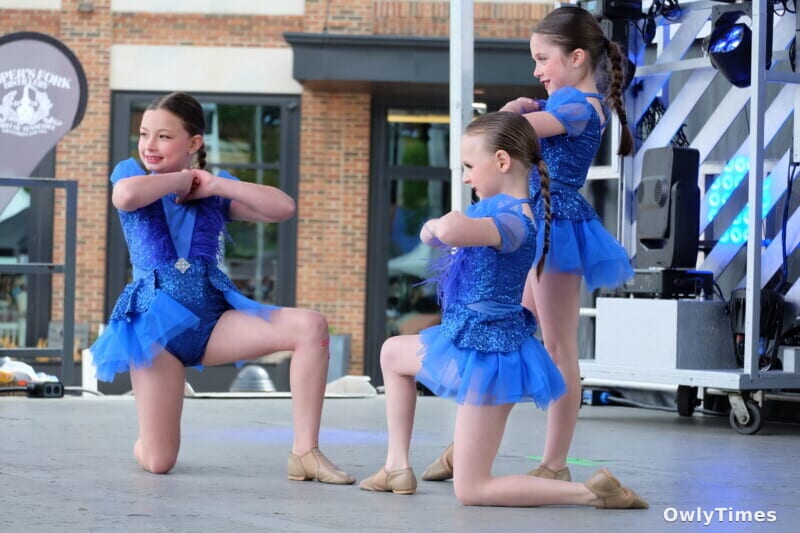

The scent of kettle corn hangs heavy in the air, mixing with the rhythmic hum of acoustic guitars echoing off century-old brick facades. In the heart of historic downtown Franklin, the mundane grid of modern life dissolves for a weekend, replaced by the kinetic energy of a town reclaiming its public square. This isn't just a weekend outing; it is a meticulously choreographed celebration of community identity that transforms the quiet elegance of Williamson County into a sprawling, sensory-rich theater.
A Cultural Anchor for Williamson County
The Heritage Foundation of Williamson County has turned the art of the local festival into a high-stakes cultural engine. On Saturday, April 25, and Sunday, April 26, the streets will once again serve as a living room for the region, operating from 10 am to 6 pm each day. While it may look like a simple gathering of artisans and musicians, the sheer scale of the operation suggests a different story.
This annual Main Street Festival consistently draws more than 120,000 guests every year. To put that figure in perspective, that is a massive influx of humanity into a historic district, turning a localized event into a regional powerhouse of arts and culture. The event functions as a tangible reminder that in an era of digital disconnection, the physical gathering remains the most potent tool for civic bonding.
The Architecture of Entertainment
The festival avoids the trap of a singular, monolithic experience by decentralizing its performers. Organizers have curated three distinct stages—the Main Stage, the Acoustic Stage, and the Road Show Stage—scattered strategically throughout the festival grounds. This deliberate fragmentation forces guests to wander, ensuring that the entirety of downtown Franklin benefits from the foot traffic rather than just the immediate vicinity of a primary hub.
This setup mirrors the broader shift in the entertainment industry, where the "big tent" approach is increasingly losing ground to hyper-local, experiential programming. By spreading the talent across three stages over two days, the festival keeps attendees moving, engaging, and discovering pockets of the city they might otherwise overlook. It is a masterclass in urban placemaking, proving that entertainment can be both a draw and a catalyst for economic vitality.
Navigating the Crowd
For those planning to descend upon the festivities, the logistical reality is as much a part of the event as the music itself. With over 100,000 visitors expected to navigate the historic downtown footprint, the conversation inevitably turns to infrastructure. Prospective attendees are currently being directed to resources regarding "What to Know About Downtown Franklin’s Main Street Festival 2026" and specific guidance on "Where to Park at Franklin’s Main Street Festival 2026."
These logistical hurdles are the modern price of admission for a thriving local culture. As the event approaches, the efficiency of these parking and information systems will serve as the primary indicator of how well the city can balance its preservationist soul with the pressures of its own popularity. The success of this weekend will be measured not just by the quality of the performances, but by the seamlessness with which the city absorbs its massive guest list.