
In a world increasingly dominated by algorithm-driven content and the isolation of digital consumption, the city of Gainesville is currently witnessing a defiant surge in human-scale connection. Across the city, theater stages, art galleries, and neighborhood parks are transforming into vessels for a collective, localized experience that feels more vital than ever. This isn’t just a calendar of events; it is a sprawling, grassroots response to the modern craving for tangible community.
The Stage as a Mirror for Life
At the Gainesville Community Playhouse, the production of “On Golden Pond”—running through April 26—offers a poignant meditation on the passage of time. Directed by Terry Beauchamp and written by Ernest Thompson, the play captures the quiet, often painful work of reconciling family ties during Norman Thayer’s 80th summer. It is a classic study in how human pride softens when faced with the ticking clock, a theme that resonates deeply in an era that often prefers to move on rather than look back.
Across town at the Acrosstown Repertory Theatre, the tone shifts from reflective to absurd with “Sylvia,” which also runs through April 26. The play explores the displacement of domestic affection when a couple finds their marriage challenged by the arrival of a dog. As Greg and Kate navigate the complexities of life in Manhattan after two decades of suburban parenting, the presence of the titular canine becomes a proxy for the unvoiced frustrations of middle age. At $25 a ticket, or $20 with the Senior/Student/Hero discount, the play serves as a reminder that the most significant dramas often occur within the four walls of our own homes.
Art Beyond the Gallery Walls
The cultural appetite in Gainesville is currently expanding beyond traditional performance spaces. The Santa Fe College Student Juried Art Exhibition, on view at the Santa Fe College Art Gallery through May 1, features works selected from more than 300 submissions. By highlighting the raw, unrefined perspectives of students in mediums like ceramics and printmaking, the exhibit functions as a barometer for the next generation of creative output.
This spirit of public accessibility is further evidenced by the Levitt AMP Alachua Music Series, which provides free, open-lawn concerts at Skinner Baseball Park through May 8. By curating a lineup that spans R&B, bluegrass, and Latin music, the series strips away the barrier of high ticket prices, inviting the community to treat a public park as a living room. It is a strategy that mirrors the success of Community Nights at South Main Station, which have grown in popularity since their 2024 launch, proving that when spaces are designed for "skillshares" and jams rather than just commerce, the public will show up.
The Weight of Local Heritage
The industry’s current push toward "place-based" programming is perhaps best exemplified by the Harn Museum of Art’s exhibition, “Florida in the Frame.” Running through July 26, the collection features more than 65 artists, including iconic figures like Winslow Homer and John Singer Sargent. By organizing the work into themes of tourism and urban growth, the exhibition asks visitors to consider how their own surroundings have been shaped by a century of artistic observation.
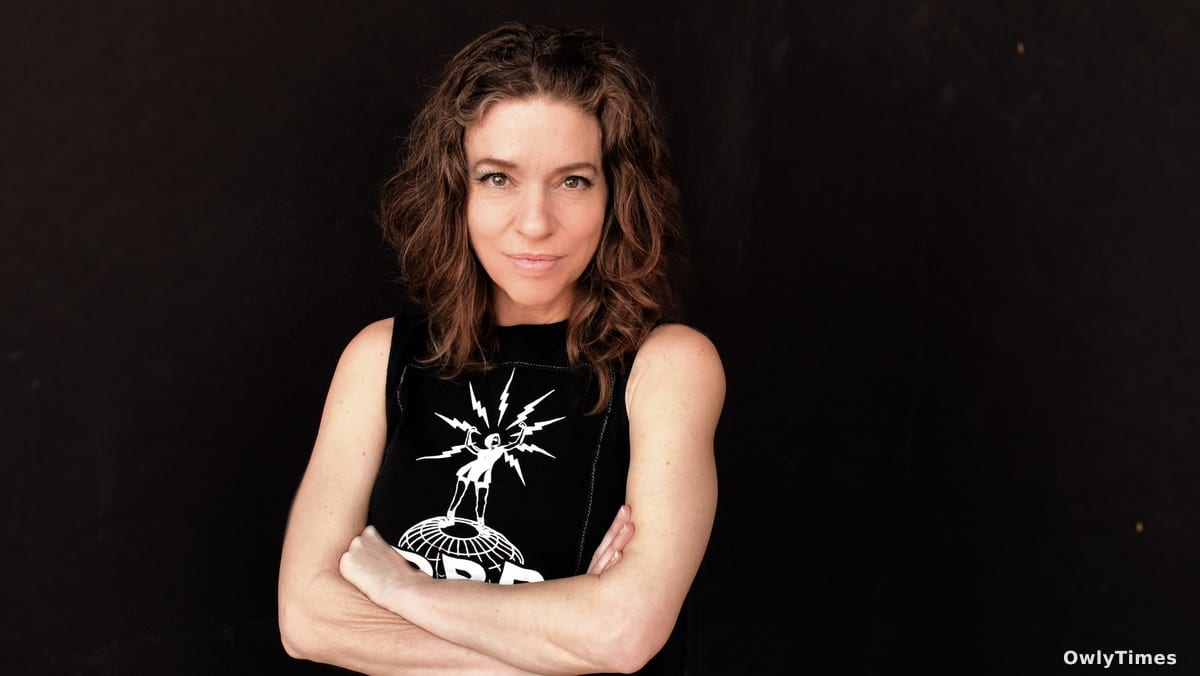
This focus on the local narrative will reach a fever pitch with the With Everything Going On Festival on May 30 at Heartwood Soundstage. Curated by songwriter Jordan Burchel, the event serves as both a concert and an album release. It is a bold, deliberate experiment in creating catharsis through collaboration, positioning local music as a necessary anchor in "uncertain times." Whether through the jazz sophistication of the Isaiah J. Thompson Quartet or the feminist legacy of Ani DiFranco at Heartwood Soundstage on April 26, the industry’s next reading of ticket sales and attendance metrics for these localized gatherings will determine if this hunger for "the local" is a passing trend or a permanent shift in how we consume culture.