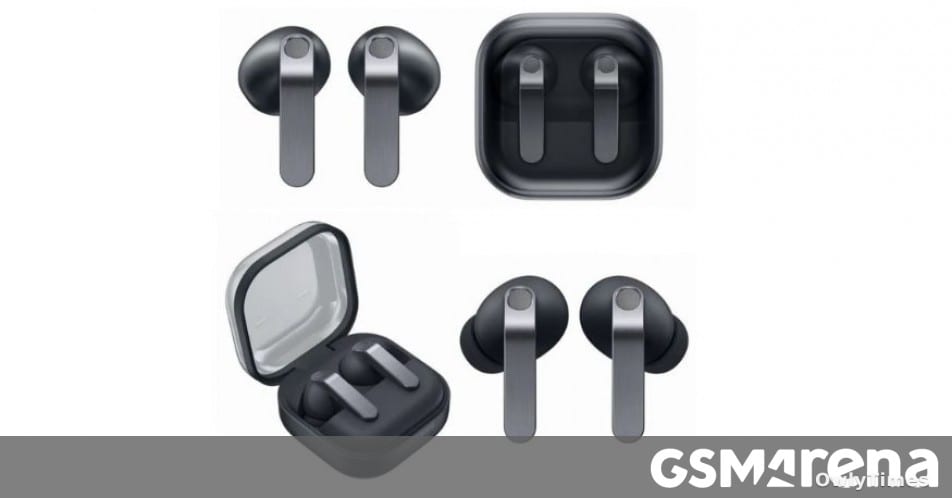

Are we really excited about slightly tweaked earbuds in 2024? Samsung’s upcoming Galaxy Buds4 and Buds4 Pro are generating buzz, but the real story here isn’t incremental audio improvements – it’s the deepening segmentation of the tech experience, and what that means for the average listener. Next week’s Galaxy Unpacked event will undoubtedly focus on the flash of the S26, but pay attention to these little white (or whatever color they come in) plastic bits. They reveal a lot about where consumer tech is headed, and it’s not necessarily a place of universal upgrades.
A Two-Tiered Audio Future
The leaked renders, courtesy of a tipster, don’t scream “revolution.” They show us what we expect: slightly refined designs for the Galaxy Buds4 and Buds4 Pro, along with their charging cases. But the devil, as always, is in the details – specifically, the design choices. Samsung is clearly betting on a split strategy. The Buds4 offer a semi-in-ear fit, ditching the silicone tips that many find irritating. This is a nod to comfort, a recognition that not everyone wants (or needs) a tightly sealed audio experience. The Buds4 Pro, however, doubles down on the in-ear design with those same silicone tips, promising better noise cancellation and, presumably, a more “audiophile” experience. This isn’t about offering choice; it’s about creating distinct tiers of experience, and pricing them accordingly. The rumored €179 price tag for the Buds4 versus €249 for the Pro model solidifies this.
This piece references the gsmarena.com report.
Battery Life and the Illusion of Progress
The battery specs – 57mAh for the Buds4 Pro and 42mAh for the Buds4 – are…fine. They’re incremental improvements, not leaps forward. We’ve reached a point of diminishing returns with battery technology in these small form factors. Samsung isn’t solving a fundamental problem; they’re squeezing a few extra minutes out of existing chemistry. This is typical of the current tech cycle: polishing existing features instead of pursuing genuinely disruptive innovation. The focus on battery life isn’t about giving you more listening time, it’s about justifying another upgrade cycle. It’s a subtle psychological trick, and it works remarkably well. The inclusion of extra ear tips with the Pro variant, while seemingly minor, further emphasizes the “premium” experience being reserved for those willing to pay more. The standard Buds4 get a charging cable, and that’s it.
Beyond Sound: Gestures and Global Communication
The rumored features – a new pinch-and-hold gesture and an Interpreter mode – are more interesting than the hardware tweaks. A pinch-and-hold gesture suggests a move towards more intuitive controls, a welcome change from tapping and swiping. But it’s the Interpreter mode that hints at a larger ambition. Real-time translation in your earbuds? That’s genuinely useful, especially in a world that’s becoming increasingly interconnected. However, the success of this feature will hinge on the quality of the translation software, and Samsung’s track record in software isn’t exactly stellar. It’s a bold promise, and one that could either be a game-changer or a frustrating gimmick. This feature, if executed well, speaks to a future where technology actively breaks down communication barriers, a far more compelling vision than simply louder bass.
The Shrinking Middle Class of Tech
What’s most telling about the Galaxy Buds4 lineup isn’t the tech itself, but the message it sends. Samsung, like Apple and other major players, is increasingly focused on serving the high-end and the budget markets, leaving the “middle class” of tech consumers feeling squeezed. The Buds4 Pro are for those who demand the best (and are willing to pay for it), while the Buds4 are for those who just want something that works. But what about those who want good audio, comfortable fit, and useful features without breaking the bank? They’re being left behind. This trend isn’t limited to earbuds; it’s happening across the entire consumer tech landscape. The next six months will see a proliferation of “Pro” and “Lite” versions of everything, as companies double down on this segmentation strategy. Expect to see more features locked behind higher price tiers, and fewer genuinely affordable options that offer a balanced experience.