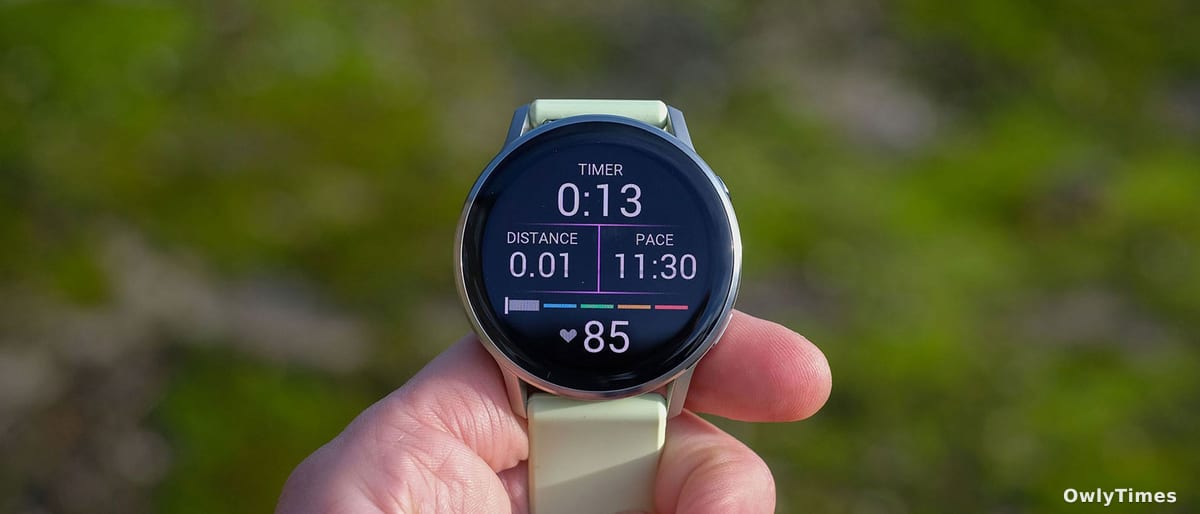

The pursuit of a fitness tracker that seamlessly blends performance data with everyday wearability has long been a compromise. For years, dedicated athletes have favored the robust, often visually assertive, designs of Garmin’s Forerunner and Fenix series, while those seeking a more discreet wearable have settled for less comprehensive tracking. The recently released Garmin Venu 4 attempts to bridge this gap, and the initial response – headlines proclaiming a “smarter” Garmin – requires careful examination. It’s not simply a case of more features; it’s about where those features are added, and to whom the Venu 4 is genuinely appealing. What’s being missed in the initial excitement is that this isn’t just an incremental upgrade; it’s a strategic repositioning of Garmin’s product line, and a signal of how the company views the evolving needs of its user base.
The core question driving the development of the Venu 4 is whether a smartwatch can truly deliver the depth of data previously reserved for specialized athletic watches without sacrificing the aesthetic appeal that draws in a broader audience. Andrew Williams of Live Science notes the Venu 4 “gets a big stats injection compared to the Venu 3,” now including metrics like Training Load, Training Readiness, and Running Dynamics – features traditionally found in Garmin’s more “hardcore” Forerunner models. This isn’t merely a software update; it represents a significant expansion of the Venu series’ capabilities. However, the Venu 4 doesn’t simply replicate the Forerunner experience. It maintains a more streamlined design, prioritizing a touchscreen interface and a less button-heavy approach. This design choice, while aesthetically pleasing, introduces a usability trade-off, as Williams experienced firsthand during a six-hour hike where wet conditions repeatedly triggered the touchscreen, causing unintended actions. The Venu 4, therefore, isn’t about offering everything to everyone, but about carefully curating a feature set that balances performance with user experience.
Drawn from Live Science.
The price point further clarifies this strategic positioning. At $549/£469 (or $599/£519 with a leather strap), the Venu 4 is priced competitively with the Garmin Forerunner 570 (and even slightly higher in the U.K.). This deliberate pricing suggests Garmin isn’t aiming to undercut its established Forerunner line, but rather to offer a premium alternative for users who prioritize style and smart features alongside robust fitness tracking. The inclusion of features like ECG readings, a built-in flashlight, and voice assistant integration – elements not traditionally central to Garmin’s offerings – reinforces this shift towards a more versatile smartwatch experience. These additions, while potentially valuable, also raise the question of whether they justify the higher price tag for dedicated runners or triathletes who might prioritize mapping capabilities or a more tactile button-based interface. The Venu 4’s 8GB of storage is dedicated to audio, meaning offline maps – a staple of the Forerunner series – are absent.
Despite the added functionality, the Venu 4 isn’t without its limitations. The touchscreen, while contributing to the sleek design, can be problematic during intense activity or in adverse weather conditions. Battery life, while respectable at up to 12 days in smartwatch mode, falls short of Garmin’s claims under heavy GPS usage, lasting closer to a week with consistent tracking. Furthermore, the use of Gorilla Glass 3, while durable, is less scratch-resistant than the Sapphire glass found in Garmin’s higher-end models. These aren’t dealbreakers, but they are important considerations for potential buyers. It’s crucial to acknowledge that the Venu 4 represents a compromise – a deliberate trade-off between features, usability, and price. The reported battery life of around four days with the always-on display activated highlights this trade-off, demonstrating the impact of screen technology on overall performance.
Looking ahead, the most compelling research direction lies in refining the touchscreen interface and optimizing battery performance. Garmin’s strength has always been in data accuracy, and the Venu 4 maintains that standard, matching the performance of its best watches. However, the user experience needs to be equally polished. Future iterations could explore adaptive touchscreen sensitivity, automatically adjusting based on activity and environmental conditions. More importantly, Garmin should investigate the potential for integrating offline maps without significantly impacting battery life – perhaps through a hybrid approach that prioritizes essential map data. The question now isn’t simply whether Garmin can make a stylish smartwatch, but whether they can create a truly seamless experience that caters to both the data-driven athlete and the everyday user, and whether consumers will be willing to pay a premium for that integration. Will we see a future Garmin watch that truly eliminates the need to choose between form and function? That’s the challenge, and the next evolution, to watch for.





