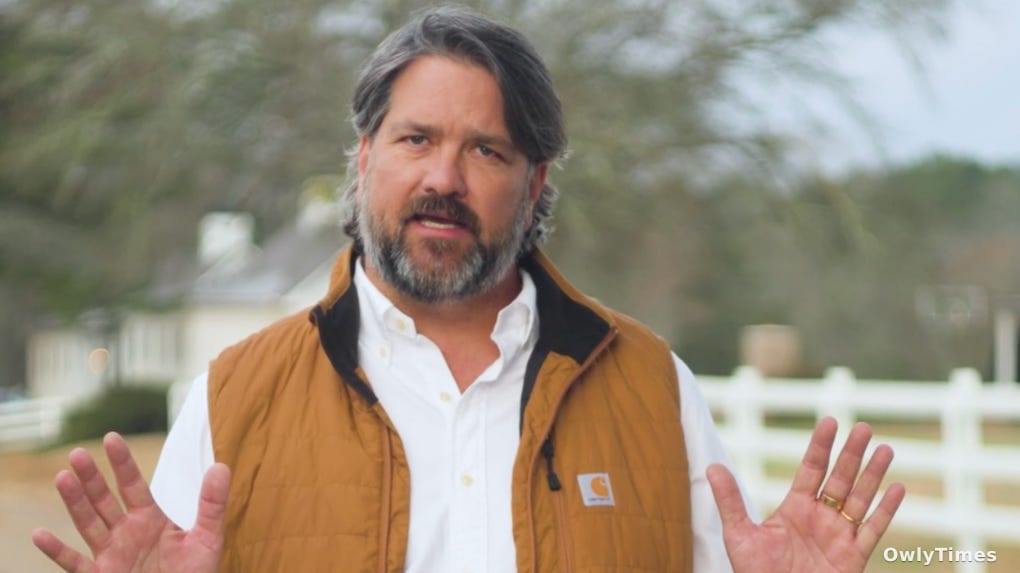

The entry of Ryan Millsap into Georgia’s 10th congressional district race isn’t a disruption of the Republican primary – it’s a calculated attempt to exploit a fracture within the party, leveraging the potent, if often ill-defined, energy of the “MAGA” wing against establishment figures. Millsap’s self-branding as a “MAGA warrior” and promise to “smash the status quo” aren’t simply campaign slogans; they’re a direct appeal to voters who feel alienated by the traditional GOP, a demographic Donald Trump successfully mobilized and one that continues to exert significant influence in primary elections. The timing of his announcement during qualifying week, the final opportunity to secure ballot access, suggests a deliberate strategy to avoid prolonged scrutiny and capitalize on a late surge of support.
Millsap, the former chairman and CEO of Blackhall Studios (now Shadowbox Studios), enters a race already featuring Houston Gaines, a rising star within the Georgia GOP. This isn’t a contest between an outsider and an insider; it’s a clash between two competing visions for the party’s future. Gaines represents the conventional path to power – a steady climb through state-level office – while Millsap embodies the disruptive potential of wealth and a direct appeal to the base. The fact that Millsap’s campaign has yet to respond to questions regarding previously reported racist and anti-semitic text messages, as reported by USA Today, underscores a willingness to prioritize momentum over immediate damage control, betting that his core supporters will overlook or dismiss the allegations.
Source material: USA Today.
The narrative Millsap is constructing centers on a personal grievance: an alleged attack by “ANTIFA” on his business. This framing is crucial. While the precise definition of “Antifa” remains contested – the Armed Conflict Location & Event Data Project (ACLED) rightly points out it’s an ideology, not a centralized organization – the term has become a potent symbol of left-wing extremism in conservative circles. Millsap’s claim of standing “up to ANTIFA and the radical left” taps into a broader anxiety about social unrest and perceived threats to traditional values. The $10 million in damages reported across multiple stakeholders, including Blackhall Group and Brasfield & Gorrie, during the “Stop Cop City” protests provides a tangible basis for this narrative, even if the direct link to a defined “Antifa” organization remains murky, as the 2023 Attorney General’s indictment acknowledged.
The context of the “Cop City” controversy is essential to understanding the political currents at play. The conflict surrounding the Atlanta Public Safety Training Center – a project championed by the Atlanta Police Foundation – exposed deep divisions within the city and state. Environmentalists, activists, and some community groups opposed the facility, fearing its impact on the Weelaunee People’s Park and the surrounding forest. The resulting protests escalated, leading to arrests and charges ranging from racketeering to domestic terrorism. Millsap’s Blackhall Group was directly involved, signing a QuitClaim Deed in 2021 for a land exchange that included part of the park, a deal that sparked legal challenges and accusations of prioritizing development over public access. This history positions Millsap squarely within a narrative of corporate interests clashing with progressive activism, a narrative he’s now actively weaponizing in his campaign.
Who benefits and who loses from Millsap’s candidacy? Gaines and the traditional GOP establishment stand to lose ground if Millsap successfully consolidates the “MAGA” vote. The Atlanta Police Foundation and proponents of “Cop City” benefit from Millsap’s framing of the protests as violent extremism, reinforcing their argument for the need for enhanced law enforcement training facilities. Activists and environmental groups, already facing legal challenges and public backlash, are likely to see their cause further demonized. The broader electorate, however, risks being presented with a simplified and polarized political landscape, where nuanced debate is replaced by inflammatory rhetoric. This dynamic echoes historical precedents, such as the rise of populist movements in the late 19th century, where anxieties about economic change and social upheaval were exploited by charismatic leaders promising radical solutions.
The political chess move to watch next isn’t whether Millsap can successfully deflect the allegations surrounding his past statements. It’s whether Houston Gaines will attempt to directly engage Millsap on these issues, risking alienating the “MAGA” base, or whether he will attempt to position himself as the more “reasonable” conservative, hoping to benefit from a potential backlash against Millsap’s more extreme rhetoric. Gaines’ response will reveal the extent to which the Georgia GOP is willing to tolerate – or even embrace – the disruptive forces unleashed by the Trump era.





