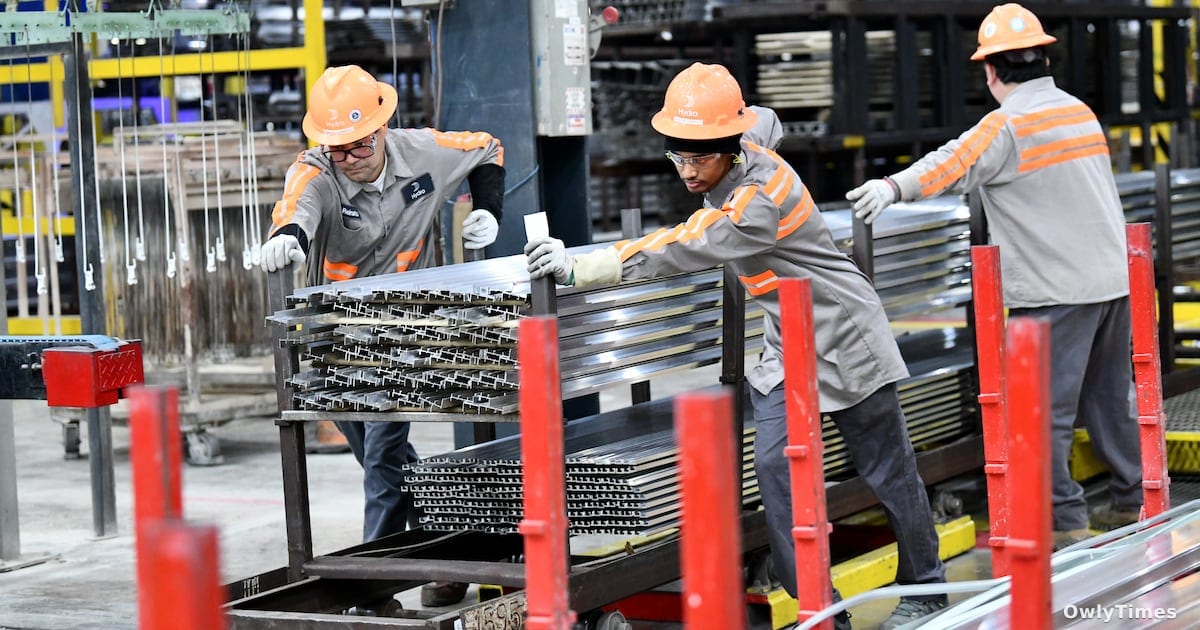

Is your car, your windows, even the can of soda in your hand a testament to “green” manufacturing? That’s the narrative being pushed by aluminum giant Hydro as it unveils a $53 million upgrade to its Gainesville, Georgia plant. But the real story here isn’t a feel-good tale of environmental responsibility – it’s a calculated bet on the future of aluminum demand, and a glimpse into the complex trade-offs companies are making as they navigate the energy transition.
Hydro’s investment, announced February 25, 2026, centers around a new electric extruder, touted as a significant step towards reducing the plant’s carbon footprint. The company claims the upgrade will lower emissions, but at a cost – a $12 million price tag, and a temporary disruption to production. This isn’t altruism; it’s a strategic move to position Hydro as a supplier of choice for industries increasingly demanding sustainably sourced materials. The automotive sector, in particular, is aggressively pursuing lighter materials like aluminum to improve fuel efficiency and meet stricter emissions standards. As Jeff Lehman, SVP Extrusions North America, put it, “We’re… providing a tour of Hydro’s aluminum extrusion plant.” It’s a performance, and the audience isn’t consumers, it’s potential buyers.
Reporting from ajc.com informs this analysis.
The push for “green” aluminum is happening against a backdrop of surging demand. Aluminum is everywhere – in packaging, construction, transportation, and increasingly, in renewable energy infrastructure. Solar panels, wind turbines, and electric vehicle batteries all rely heavily on the metal. Hydro isn’t alone in recognizing this opportunity. Competitors like Noranda and other US-based aluminum producers are also investing in cleaner production methods. But the devil is in the details. Simply switching to electric-powered machinery doesn’t magically erase the environmental impact of aluminum production, which is inherently energy-intensive. The source of that electricity matters immensely. If Hydro is drawing power from a grid still heavily reliant on fossil fuels, the emissions reductions will be significantly diminished.
What’s particularly interesting is the location of this investment: Gainesville, Georgia. The Southeast isn’t traditionally known as an aluminum production hub, but it’s rapidly becoming one. This shift is driven by lower energy costs and a favorable regulatory environment. Hydro’s decision to expand its presence in Georgia reflects a broader trend of manufacturers relocating to regions offering a competitive edge. This has implications for communities across the country, as jobs and investment flow away from traditional manufacturing centers. The company currently employs 550 people at the plant, and Eivind Kallevik, President and CEO, emphasized the importance of the facility to the local economy. But the long-term impact of automation and the transition to a greener economy on the workforce remains uncertain.
The narrative around this upgrade also conveniently sidesteps the larger issue of aluminum recycling. While Hydro touts its commitment to sustainability, the aluminum recycling rate in the US remains stubbornly low, hovering around 35%. Increasing recycling rates would significantly reduce the need for primary aluminum production, which is far more energy-intensive. The focus on new, “green” production methods feels like a distraction from the more fundamental solution: closing the loop and maximizing the use of existing materials. Mirtha Donastorg of The Atlanta Journal-Constitution notes the focus on innovation at Atlanta’s HBCUs, but the real innovation needed isn’t necessarily in new production techniques, but in systemic changes to material consumption and waste management.
Looking ahead, expect to see a surge in “greenwashing” as aluminum producers compete for market share. Companies will increasingly emphasize their sustainability credentials, but scrutiny of those claims will be crucial. The real test won’t be whether Hydro can build a more efficient aluminum plant, but whether it can demonstrably reduce its overall carbon footprint – and whether consumers are willing to pay a premium for sustainably sourced aluminum. The question isn’t if demand for aluminum will continue to rise, but how that demand will be met, and at what environmental cost. Watch for a growing disconnect between the marketing hype and the actual impact, and a rising consumer demand for verifiable sustainability data.




