
The air in Cameron Indoor Stadium crackled with a barely contained energy, a residue of Duke’s 44-point demolition of Notre Dame still hanging in the rafters. But the celebratory haze felt…fragile. Because Saturday, the Blue Devils face a different kind of test: a visit from Virginia, a team riding a nine-game win streak and armed with the kind of disciplined, methodical play that has historically given Duke fits. This isn’t just about maintaining a No. 1 ranking; it’s about proving that this Duke team, for all its offensive firepower, can withstand a sustained, strategic challenge. And it’s a microcosm of what’s happening across college basketball this weekend – a late-season reckoning where momentum, consistency, and the ability to perform under pressure will separate contenders from pretenders.
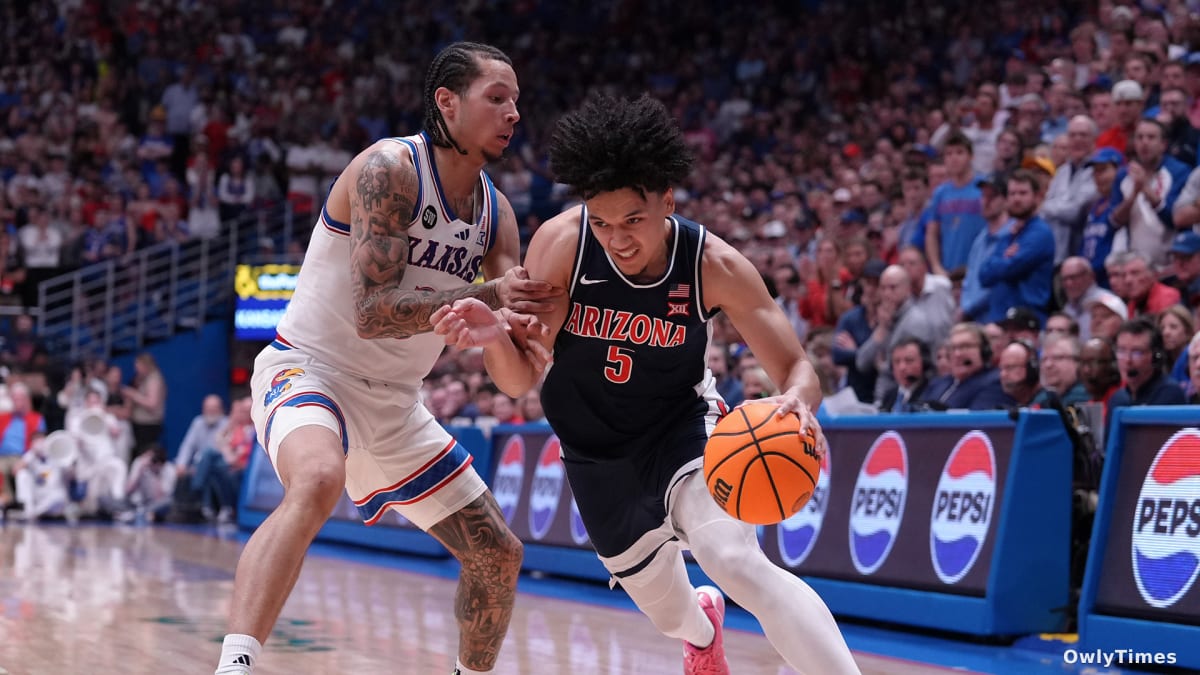
The penultimate weekend of the regular season is always a pressure cooker, but this year feels particularly charged. It’s not simply about jockeying for NCAA Tournament seeding; it’s about identity. Programs are grappling with the shifting landscape of college athletics, the transfer portal’s impact on team cohesion, and the ever-present pressure to deliver results in a hyper-scrutinized environment. The slate of games – from Arizona hosting Kansas to Gonzaga’s final stand in the WCC – isn’t just about wins and losses; it’s about signaling what kind of program you are. Are you built for March, or are you simply enjoying a fleeting moment in the sun?
See the original CBS Sports story for the full account.
The Duke-Virginia matchup, however, embodies this tension most acutely. Kyle Boone of CBS Sports, like many analysts, is leaning towards a Duke win, but acknowledges Virginia’s ability to “keep this one close.” The betting line reflects that expectation – Duke is favored, but Virginia is getting 9.5 points. This isn’t a case of a clear underdog; it’s a clash of styles, a test of wills. Duke’s recent dominance – including a win over then-No. 1 Michigan – has been fueled by explosive offense. But Ryan Odom’s Virginia team thrives on defensive solidity and controlled possessions. The question isn’t whether Duke can score, but whether they can maintain their intensity and efficiency against a team designed to stifle them. It’s a classic basketball conundrum: can raw talent overcome strategic discipline?
Beyond the Duke-Virginia game, the weekend offers a compelling narrative across several conferences. In the SEC, Florida can solidify its position as the conference king when it hosts Arkansas. The Gators are up two games in the standings, but Darius Acuff Jr. and the Razorbacks are playing with a confidence that makes them a dangerous opponent. The consensus, as reflected in Boone’s pick of Arkansas to cover an 8-point spread, is that the Razorbacks will make it a competitive game, even if Florida ultimately prevails. This speaks to a broader trend in college basketball: parity. The days of dominant conference champions are fading, replaced by a more unpredictable landscape where any team can steal a win on any given night. The margin for error is shrinking, and the pressure to perform is intensifying.
And then there’s Gonzaga, facing Saint Mary’s in what will be their final regular-season game as members of the West Coast Conference. The stakes are high: the winner takes the league championship. This game isn’t just about bragging rights; it’s about legacy. Gonzaga’s impending move to a new conference marks the end of an era, and a win over Saint Mary’s would be a fitting farewell. It’s a reminder that even in a sport constantly undergoing change, some traditions still matter. The fact that multiple analysts are predicting close games – and covering the spread with the underdog – underscores the unpredictable nature of this season. Gary Parrish, Matt Norlander, David Cobb, Isaac Trotter, and Cameron Salerno all offer varied perspectives, highlighting the difficulty in confidently predicting outcomes.
What makes this weekend particularly significant isn’t just the quality of the games, but what they reveal about the state of college basketball. The emphasis on analytics, the rise of the transfer portal, and the increasing commercialization of the sport are all reshaping the landscape. Programs are no longer simply developing players; they’re building brands. And the pressure to succeed – both on and off the court – is immense. As we head into March Madness, the teams that can navigate these challenges, that can balance talent with discipline, and that can maintain their focus amidst the chaos, will be the ones that ultimately cut down the nets. The question now is: will we see a dominant champion emerge, or will this season continue to defy expectations and deliver a truly unpredictable tournament?