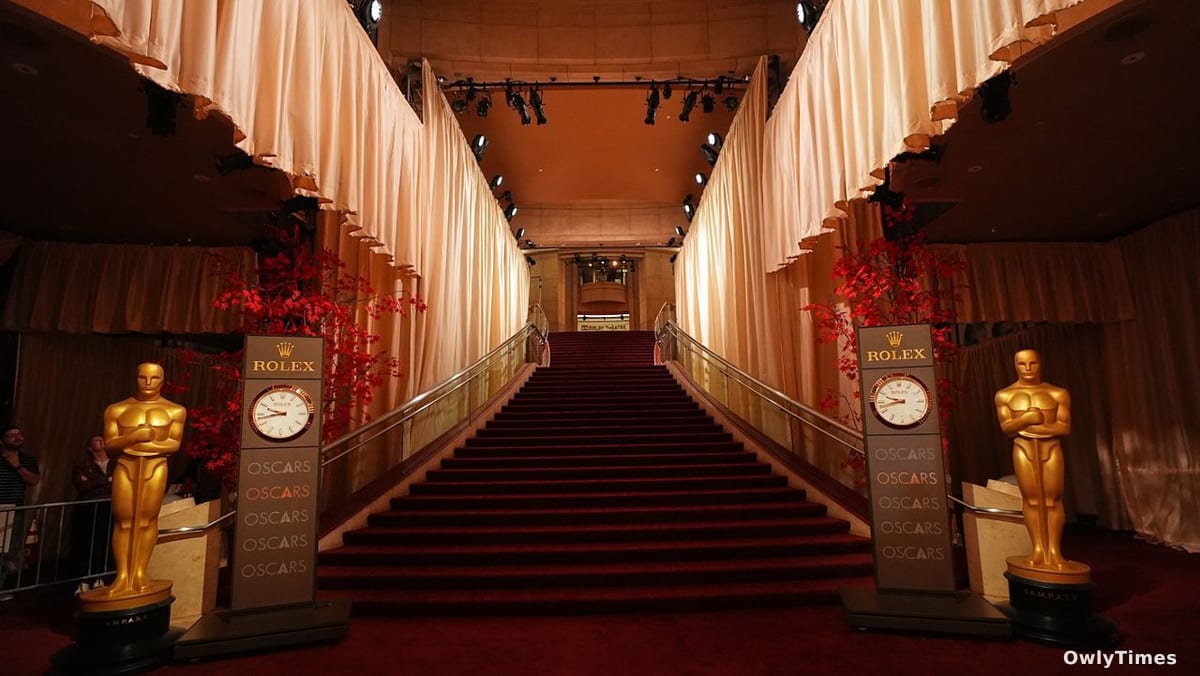

Let’s be honest: did anyone actually tune into the Oscars for a meticulously crafted celebration of cinematic artistry? Or were we all waiting for the inevitable spectacle – the awkward jokes, the predictable acceptance speeches, and the carefully curated displays of Hollywood self-regard? The 98th Academy Awards, culminating in a sweep for “One Battle After Another” and “Sinners,” wasn’t about recognizing the best films of the year; it was a performance of recognizing the best films, a carefully constructed narrative about an industry grappling with its own relevance. The real story here isn't the winners and losers – it's the increasingly desperate attempt to manufacture moments that break through the noise and remind us why we should still care.
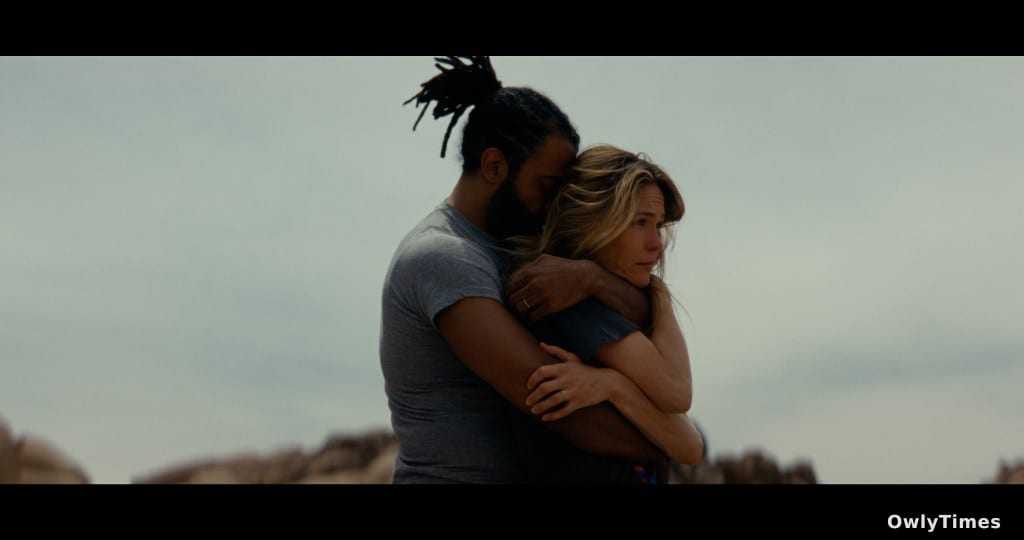
“One Battle After Another” dominated the night, snagging Best Picture, Best Director for Paul Thomas Anderson, and awards for casting, editing, and adapted screenplay. Meanwhile, “Sinners” proved a powerhouse, with Michael B. Jordan taking home Best Actor, alongside wins for Best Score and Cinematography – a historic win for Autumn Durald Arkapaw as the first Black woman to claim the award. Jessie Buckley secured Best Actress for “Hamnet,” and a tie in the Live Action Short Film category added a touch of unexpected drama. But beyond the gilded statuettes, a pattern emerged: a reliance on spectacle and nostalgia to distract from a deeper unease. Conan O’Brien’s opening monologue, peppered with jabs at everything from Waymo to Timothée Chalamet’s opera comments, felt less like genuine satire and more like a frantic attempt to prove the Oscars could still do humor.
The elaborate performance of “I Lied to You” from “Sinners,” featuring a stage overflowing with performers from various musical genres – Misty Copeland, Eric Gales, Buddy Guy, and many more – was a prime example. It wasn’t simply a musical number; it was a statement, a visual argument for the foundational role of Black music in American culture. The sheer scale of the production, recreating a scene from the film, felt less organic and more like a calculated effort to generate viral moments. This isn’t inherently bad, but it highlights a shift: the Oscars are increasingly concerned with being talked about, rather than simply recognizing artistic merit. Consider the “Devil Wears Prada” mini-reunion with Anna Wintour and Anne Hathaway – a delightful moment for fans, certainly, but one driven by brand recognition and social media potential, not necessarily a celebration of costume design.
See the original Spectrum News story for the full account.
The shadow of real-world tragedy loomed large over the In Memoriam segment, particularly the tribute to director Rob Reiner and his wife, Michelle Singer Reiner, whose deaths are now the subject of a criminal investigation involving their son. Billy Crystal’s heartfelt remembrance, bolstered by a stage full of Reiner’s collaborators, echoed the Academy’s past tributes, notably the one for John Hughes in 2008. It was a poignant moment, but also a reminder that even Hollywood’s biggest night can’t fully escape the complexities and darkness of the world outside. The increased security presence, a direct response to global geopolitical tensions, further underscored this point. The Oscars aren’t happening in a vacuum; they’re a highly visible target, and the heightened security measures served as a stark reminder of the anxieties shaping our current moment.
The awards themselves, while significant for the winners, revealed a certain predictability. Michael B. Jordan’s win, the sixth for a Black actor in the Best Actor category, is a milestone, but it also begs the question: why has it taken so long? The Academy has made strides in diversifying its membership, but true representation requires more than just checking boxes. The tie in the Live Action Short Film category, a rare occurrence, felt less like a genuine deadlock and more like a concession to the inherent subjectivity of artistic judgment. And the fact that a film like “Sinners,” released nearly a year ago, could still garner such significant awards raises questions about the Academy’s timing and the long tail of awards season campaigning.
Looking ahead, expect the Oscars to lean even further into spectacle and curated moments. The pressure to compete with streaming services, social media, and a fragmented entertainment landscape will only intensify. The Academy will continue to chase viral moments, prioritize inclusivity (though genuine progress will be slow), and attempt to convince a skeptical audience that the Oscars still matter. My prediction? Within five years, we’ll see a dedicated “TikTok Moment” category, judged not on artistic merit, but on sheer social media engagement. The Oscars aren’t dying, they’re evolving – into something increasingly resembling a highly polished, meticulously branded marketing campaign.