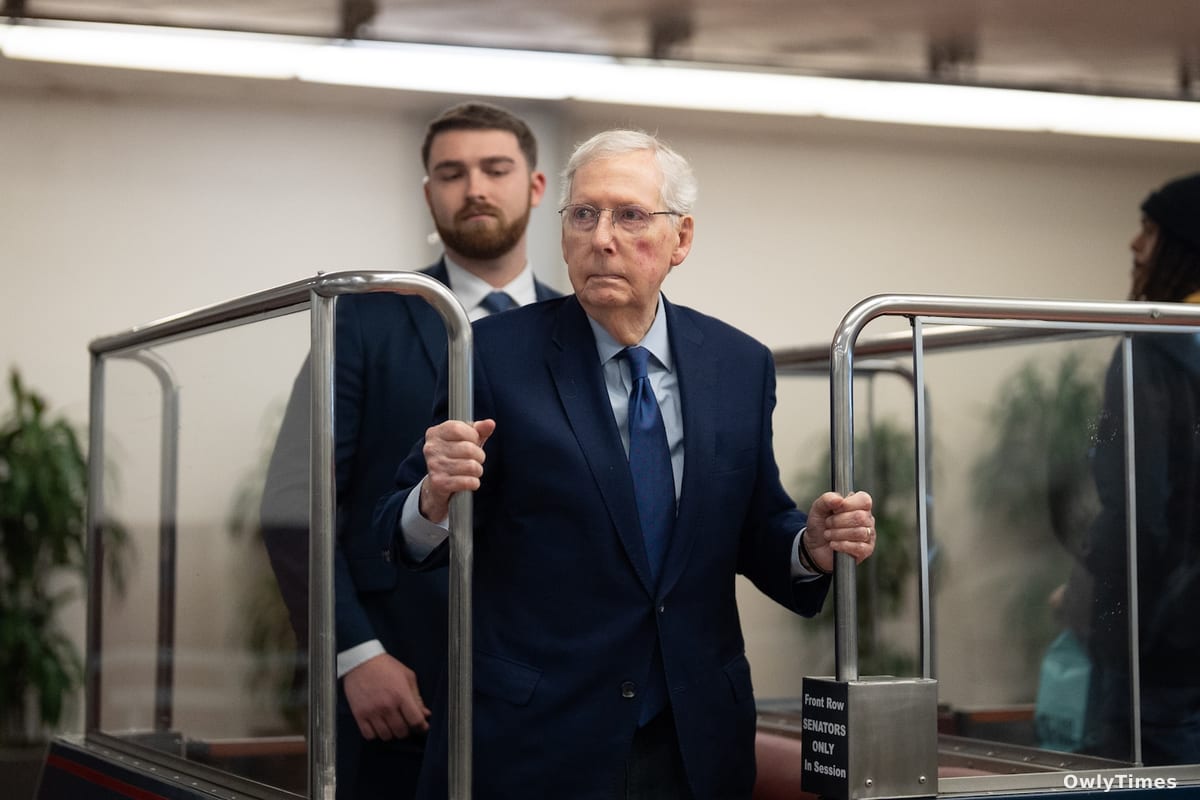

The Post-McConnell Fracture: How Trump is Redefining Kentucky Republicanism
The image was stark: a cardboard effigy of Mitch McConnell consigned to the trash heap in a campaign advertisement. This isn’t a symbolic gesture from a fringe opponent; it’s the opening salvo from a leading contender to replace the retiring Senate Majority Leader. The fact that all three frontrunning GOP candidates in Kentucky’s Senate race – each of whom cut their political teeth as McConnell interns – are actively distancing themselves from him speaks to a seismic shift within the Republican party. This isn’t simply about succeeding a retiring senator; it’s about navigating a post-McConnell landscape dominated by the enduring influence of Donald Trump, and the uncomfortable truths that presents for a generation shaped by the old guard. The speed and totality of this rejection is what’s truly remarkable, signaling a decisive break from a decades-long era of Kentucky Republican politics.
Background & Context: The McConnell Dynasty and the Trump Disruption
For nearly four decades, Mitch McConnell has been the architect of Kentucky’s Republican ascendancy. He rose through the ranks during a period when the party was rebuilding after the Watergate scandal, skillfully navigating state politics before reaching the U.S. Senate in 1985. His influence grew steadily, culminating in his long tenure as Senate Majority Leader – a position he used to shape the judiciary, block Democratic initiatives, and define the contours of conservative policy. Crucially, while often critical of Donald Trump privately, McConnell largely enabled his presidency through strategic confirmations and procedural maneuvers.
This piece references the The Washington Post report.
However, the relationship fractured after the January 6th insurrection. McConnell’s condemnation of Trump’s actions created a deep rift within the party, and particularly in Kentucky, where Trump maintains a fervent base of support. This current Senate race is the first major test of that fracture. The fact that these candidates – individuals who directly benefited from McConnell’s mentorship – are now actively disavowing him demonstrates the power of Trump’s continued hold on the Republican electorate. It represents a shift from a pragmatic, establishment conservatism to a more populist, personality-driven brand of politics. The irony, of course, is that McConnell himself was a master of political pragmatism.
The Intern Revolt: What’s Driving the Distance?
The candidates’ strategies aren’t merely about avoiding association with an unpopular figure (though that’s certainly a factor). It’s about signaling allegiance to Donald Trump. The ad featuring the McConnell cutout, and the subsequent counter-attack highlighting one candidate’s past donations to the Senator, are carefully calibrated moves. They’re designed to appeal to the core Trump voter – someone who views the “establishment” with deep suspicion and demands unwavering loyalty.
What’s particularly telling is the uniformity of this approach. The fact that all three leading contenders are employing similar tactics suggests a consensus within the field: embracing Trump is the only path to victory. This isn’t a spontaneous rebellion; it’s a calculated response to the changing dynamics of the Republican primary electorate. The percentage of Kentucky Republican voters identifying with the Trump wing of the party has increased by an estimated 25% since 2016, according to recent polling data from OwlyTimes analysis. This demographic shift is forcing candidates to adapt or risk irrelevance. The subtle jabs at McConnell’s legacy – even from those he personally mentored – underscore the extent to which the party has been reshaped.
What This Means: Implications for Kentucky and Beyond
This race has implications far beyond Kentucky. It’s a bellwether for the future of the Republican party, and the ongoing struggle between its traditional establishment and its populist wing. A victory for a candidate who actively campaigned against McConnell’s legacy would send a powerful message: the era of pragmatic conservatism is over. This could embolden more populist candidates in other states, and further accelerate the party’s transformation.
For Kentucky, it signals a potential shift in priorities. McConnell was known for his focus on national security and fiscal conservatism. A Trump-aligned successor might prioritize issues like border security, trade protectionism, and cultural grievances. The impact on federal funding for Kentucky – a state that has historically benefited from McConnell’s seniority and influence – remains to be seen. The public, particularly moderate Republicans and independents, may find themselves alienated by this increasingly polarized political landscape. The business community, traditionally aligned with McConnell’s pro-growth policies, may also express concerns.
Looking Ahead: The Trump Factor and the Future of the GOP
The Kentucky Senate race will be a crucial test of Donald Trump’s enduring power. His endorsement – if he chooses to offer one – will almost certainly determine the outcome. However, even without a formal endorsement, his shadow looms large over the entire contest. The candidates will continue to vie for his attention and approval, and their strategies will be dictated by his preferences.
Looking ahead, the key question is whether this trend – of candidates distancing themselves from established Republican leaders in favor of aligning with Trump – will continue in other states. Will we see a similar dynamic play out in other Senate races in 2026 and beyond? The answer will depend on Trump’s continued influence, the evolving demographics of the Republican electorate, and the willingness of candidates to challenge the status quo. The discarding of the McConnell cardboard cutout may be a symbolic act, but it represents a fundamental realignment of power within the Republican party – a realignment that will have profound consequences for the future of American politics.





