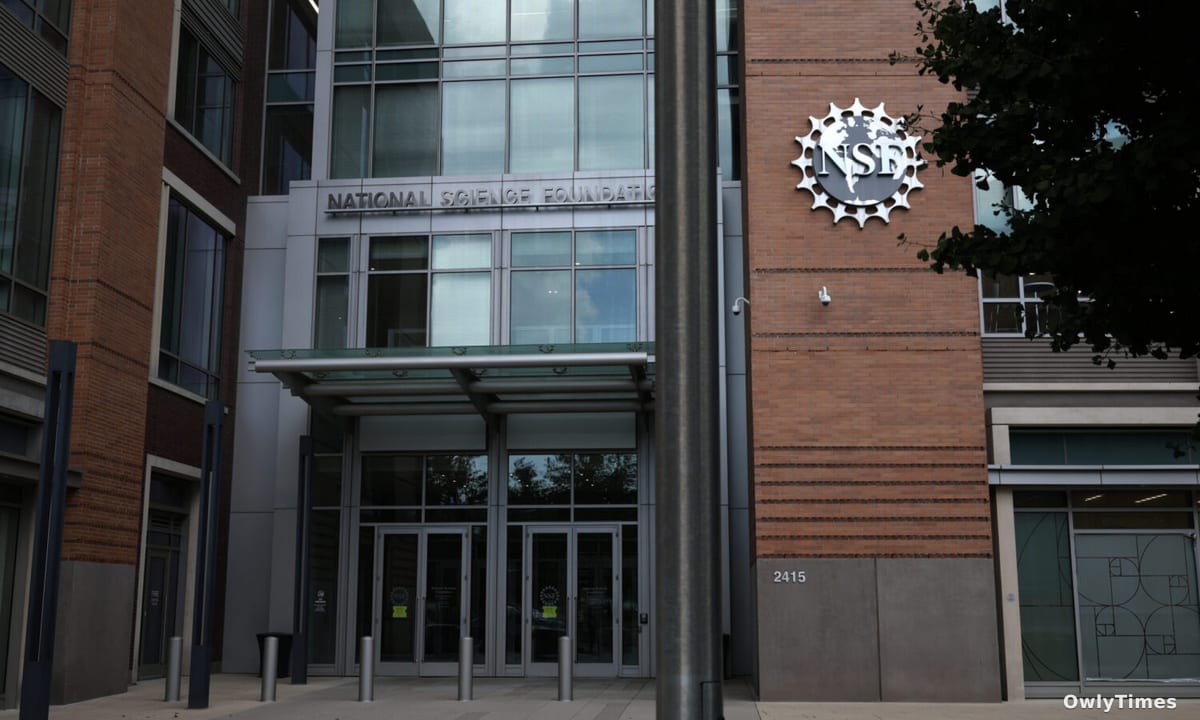

The question of how a government justifies its research investments relies on a delicate balance between political oversight and independent expertise. This past weekend, the Trump Administration disrupted that balance by abruptly terminating the service of members of the National Science Board (NSB). While the headlines characterize this as a shake-up of an advisory panel, the reality is a fundamental erosion of the mechanisms that ensure the National Science Foundation (NSF) remains an evidence-based institution.
The Role of Independent Oversight in Innovation
For 75 years, the NSF has served as the bedrock of American innovation, supporting breakthroughs that range from the basic infrastructure of the internet to the development of modern weather forecasting. As Carlos Javier Martinez aptly notes, the agency has quietly powered technologies that define our daily lives. The NSB is the body responsible for maintaining that momentum through rigorous oversight of merit criteria, international partnerships, and massive research investments. By removing the experts tasked with this oversight, the administration has effectively removed the guardrails meant to ensure that taxpayer-funded science is directed by merit rather than political expediency.
Patterns of Interference and Institutional Integrity
It is crucial to recognize that this is not an isolated event, but rather part of a documented trend during the president’s second term. The systemic nature of these disruptions became clear when Alondra Nelson resigned her seat on the board, explicitly citing political interference in deliberations and a decline in institutional integrity. The administration’s recent history includes several similar maneuvers: the nomination of an unqualified and conflicted individual to lead the NSF in March, and the preemptive dismantling of the Social, Behavioral, and Economic Sciences Directorate earlier this month. When these actions are viewed collectively, they suggest a deliberate strategy to circumvent the transparency requirements mandated by the Federal Advisory Committee Act (FACA).
The Risk of Regulatory Capture
The danger inherent in firing vetted board members is not merely the loss of expertise, but the opportunity it creates to replace them with individuals who may lack the necessary scientific standing. Replacing independent voices with conflicted appointees provides the administration with political cover to bypass mission-aligned, science-based decision-making. We have already seen this playbook in action elsewhere: the President’s Council of Advisors on Science and Technology (PCAST) has been heavily populated by tech industry CEOs, while a quarter of the Environmental Protection Agency’s Science Advisory Board is now comprised of individuals from the chemical industry that the agency is tasked to regulate. These actions have contributed to a tally of 562 recorded attacks on science during the current term.
Protecting the Future of Independent Science
The erosion of these advisory systems leaves the public without a window into how critical scientific decisions are made. While the government’s internal advisory structures are being hollowed out, the scientific community is increasingly looking toward independent, non-governmental avenues to provide the guidance that federal institutions currently lack. Resistance in this context means more than protest; it means fostering external advisory committees that can hold decision-makers accountable and keep the public informed. The next reading of the administration’s appointment process for the vacant NSB seats will indicate whether the remaining veneer of institutional independence will be maintained or fully replaced by political appointees. In the interim, the scientific community must remain vigilant, as the integrity of federal research depends on the transparency that these advisory boards were designed to protect.