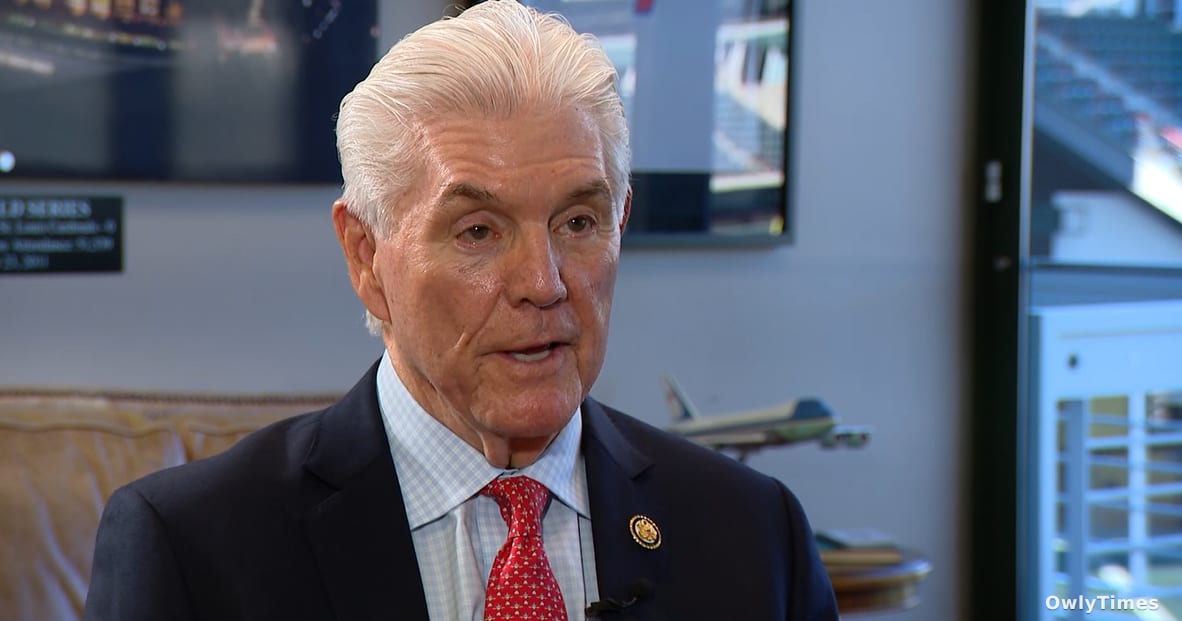

The current standoff over Department of Homeland Security funding isn’t simply a budgetary impasse; it’s a calculated risk by House Republicans, specifically leveraging essential services – airport security among them – to force concessions on border policy. Roger Williams, North Texas’s representative, framed the shutdown as a “Democratic shutdown” in a recent interview with CBS News Texas, but the strategic calculus reveals a more nuanced power play. The core objective isn’t necessarily securing additional funding for ICE, as Williams claims is already allocated, but rather to extract Democratic agreement to curtail changes to ICE operations – a concession they’ve so far resisted. The resulting disruption, with TSA agents quitting due to unpaid status and lengthening airport lines, is a deliberate escalation intended to raise the political cost of continued opposition.
The immediate fallout of the DHS shutdown is clear: passenger delays and a strain on the travel sector. However, the deeper impact lies in the precedent being set. This tactic – holding critical infrastructure hostage to achieve unrelated policy goals – echoes historical instances of brinkmanship, most notably the 2013 government shutdown orchestrated by the Republican party over objections to the Affordable Care Act. In that instance, as in this one, the stated goal was to dismantle a policy, but the underlying motivation was to demonstrate the party’s resolve and force the opposing side to negotiate on its terms. Who benefits and who loses here is sharply defined. Republicans gain leverage in border security negotiations, while Democrats face public blame for disruptions to essential services. The traveling public, and by extension the broader economy reliant on efficient travel, bears the immediate cost.
Reporting from CBS News informs this analysis.
Williams’ defense of President Trump’s actions regarding Iran reveals a consistent ideological alignment within the party. His assertion that the Trump administration “devastated” Iran and prevented the acquisition of a nuclear weapon isn’t a novel argument, but it underscores the ongoing commitment to a hardline foreign policy. This stance, while popular with a significant segment of the Republican base, carries substantial risk. The escalation in the region, even without a full-scale war, introduces volatility into global energy markets and necessitates increased military spending – costs that will ultimately be borne by American taxpayers. The framing of intervention as a swift, decisive action (“the quicker we get in, the quicker we get out”) ignores the historical complexities of Middle Eastern conflicts and the potential for prolonged engagement, a pattern seen repeatedly in past US interventions.
The focus on economic benefits stemming from events like the Java House Grand Prix of Arlington, while seemingly unrelated to the larger political battles, serves a crucial function for Williams. Highlighting the “trickle-down” effect of tourism and large events – increased spending, job creation, and tax revenue – reinforces the Republican narrative of economic prosperity under their policies. The recent tax cuts for banks and the elimination of taxes on tips and overtime, touted by Williams, are presented as catalysts for economic growth. However, this narrative conveniently overlooks the widening income inequality and the disproportionate benefits accruing to corporations and high-income earners. The emphasis on local economic gains also serves to deflect attention from the national-level disruptions caused by the DHS shutdown, creating a localized counter-narrative of positive economic impact.
The political chess move to watch next isn’t whether Democrats will concede on ICE funding, but rather how they respond to the escalating pressure. Will they continue to hold firm, risking further disruptions and public backlash? Or will they offer a compromise that allows for a limited restructuring of ICE, while preserving its core functions? The answer will reveal not only the immediate fate of the DHS, but also the broader balance of power between the parties and the future of political brinkmanship as a governing strategy. The question isn’t simply if a deal will be reached, but what concessions will be made, and what precedent those concessions will set for future legislative battles.





