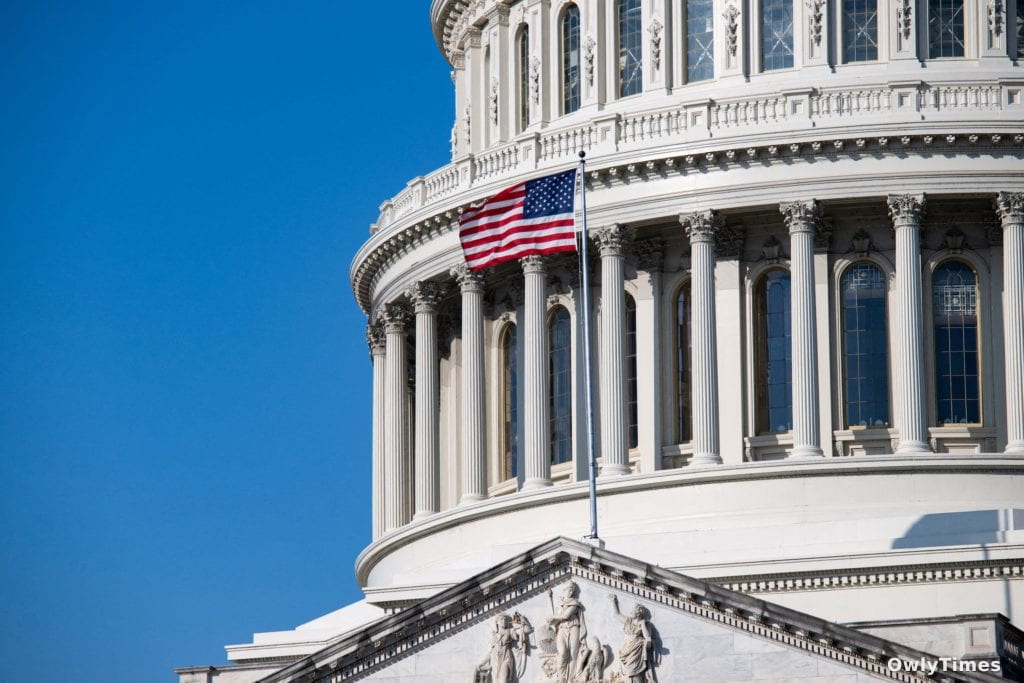

The calculated silence from Congressional Republicans regarding the ongoing war with Iran isn’t a sign of unified support for the Trump administration’s actions, but a strategic maneuver to delay accountability and control the narrative—and ultimately, the financial implications—of a rapidly escalating conflict. As the war enters its third week with 13 American service members killed and an estimated $1 billion spent daily, the GOP’s resistance to public hearings isn’t about protecting classified information; it’s about shielding themselves from politically damaging scrutiny as the costs – both human and economic – mount. The current standoff isn’t simply a dispute over congressional oversight, but a power play with potentially profound consequences for the trajectory of the war and the balance of power within Washington.
The dynamic unfolding on Capitol Hill echoes historical precedents where executive branches have initiated military action without explicit congressional authorization. The Gulf of Tonkin Resolution in 1964, used to escalate U.S. involvement in Vietnam, serves as a stark reminder of Congress ceding its constitutional authority over war powers. While the current situation doesn’t yet mirror the scale of Vietnam, the initial reluctance of Republicans to challenge President Trump’s actions suggests a similar willingness to defer to the executive, at least in the short term. Who benefits and who loses here is clear: the executive branch maintains unchecked authority, while Congress risks becoming a rubber stamp, and the American public is left in the dark regarding the rationale and potential consequences of the war.
This article draws on reporting from PBS.
Senate Majority Leader John Thune’s assertion that lawmakers have been “briefed” and that Defense Secretary Pete Hegseth and General Dan Caine are “answering the hard questions” rings hollow when juxtaposed with the growing frustration expressed by even some Republicans. Senator Lisa Murkowski of Alaska’s demand for engagement beyond classified briefings – “I want them to be engaged with us” – and Senator John Kennedy’s dismissal of a recent briefing as a “total waste of time” reveal cracks in the GOP’s united front. These sentiments aren’t born of opposition to the war itself, but of a pragmatic concern over the impending supplemental budget request. Republicans are wary of being presented with a bill without a full understanding of the administration’s objectives and a clear path to victory, particularly as the midterm elections loom.
The Democrats, led by figures like Senator Cory Booker, are attempting to exploit this vulnerability. Booker’s condemnation of “no oversight whatsoever” and the daily spending of $1 billion underscores the core issue: a lack of transparency and accountability. Their threat to force repeated votes on war powers resolutions, while likely to fail, is a calculated attempt to gum up the Senate schedule and force a debate. This tactic isn’t about achieving legislative success, but about creating a public record of Republican obstruction and framing the narrative ahead of the expected budget battle. The Democrats are betting that sustained pressure, coupled with tepid public support for the war, will eventually compel some Republicans to break ranks.
However, the GOP’s strategy isn’t solely defensive. The timing of this conflict, coinciding with the push for President Trump’s priority legislation on voting requirements, is no accident. By prioritizing this legislation and delaying debate on the war, Republicans aim to control the legislative agenda and minimize the political fallout. The invocation of national security to justify classified briefings also serves to deflect scrutiny, appealing to a sense of patriotism and necessity. Senator Mike Rounds’ comment about the need for secrecy to protect U.S. service members, while understandable, conveniently obscures the lack of public justification for the war. This is a classic tactic: framing dissent as unpatriotic and prioritizing operational security over democratic accountability.
The political chess move to watch next isn’t whether Democrats succeed in forcing a vote, but whether the administration’s supplemental budget request will contain a detailed justification for the war’s objectives and projected costs. If the request is vague or inflated, it will embolden Democrats and potentially fracture the Republican coalition. The real test of congressional resolve will come when lawmakers are forced to publicly account for the financial burden of a war they have largely allowed to unfold without meaningful oversight. Will Republicans prioritize party loyalty and continue to defer to the executive, or will they demand transparency and accountability, even at the risk of political backlash? The answer to that question will determine not only the future of this conflict, but the future of Congress’s role in matters of war and peace.





