
The Calculus of an Incomplete Victory: Israel, Iran, and the Shadow of US Negotiation
The stated need for “several more weeks” of fighting, as articulated by two Israeli military officials to NPR, isn’t a reflection of battlefield stalemate – it’s a calculated position in a multi-layered negotiation. Israel isn’t simply pursuing military objectives; it’s attempting to maximize leverage before potential US intervention forces a cessation of hostilities. The timeline isn’t dictated by military necessity alone, but by the window President Trump believes exists to “leverage…tremendous achievements” into a favorable agreement. This framing immediately shifts the focus from purely kinetic operations to a strategic game of positioning, where battlefield gains are currency for diplomatic concessions.
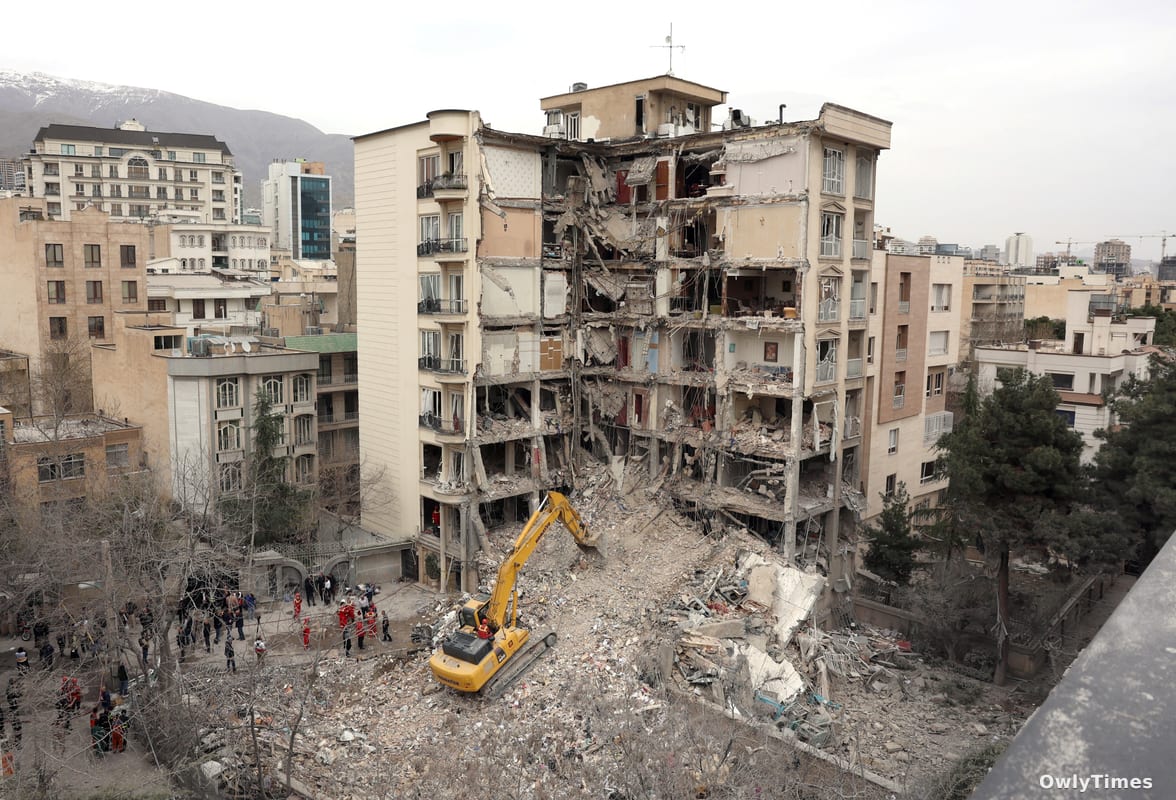
Who benefits and who loses from this extended timeframe? Clearly, Israel benefits from continued degradation of Iranian military capabilities, aiming for a “full strategic victory” that, according to one senior official, remains elusive. The reported destruction of ballistic missile launchers and disruption of Iran’s nuclear program are tangible gains, but the continued missile strikes – including the breach of Israeli air defenses and impact in Tel Aviv – demonstrate Iran’s continued capacity for retaliation and regional disruption. Iran, conversely, loses military infrastructure and faces delays to its nuclear ambitions, but gains political capital with each successful strike, demonstrating resilience and raising the cost of continued conflict for Israel. The US, under Trump, positions itself as a mediator, potentially securing a diplomatic win and reinforcing its role as a regional power broker, though the lack of direct confirmation from Iran casts doubt on the sincerity of these “productive” talks.
The involvement of intermediaries – Pakistan, Egypt, Oman, and Turkey – is a familiar tactic in Middle Eastern conflicts. These backchannel negotiations, as revealed by the Egyptian official speaking anonymously, serve multiple purposes. They allow for deniability, provide a degree of separation for direct adversaries, and facilitate the exploration of compromise solutions without the constraints of public posturing. This echoes the complex diplomatic maneuvering surrounding the 1973 Yom Kippur War, where Henry Kissinger utilized shuttle diplomacy to broker a ceasefire between Israel and Egypt, leveraging Soviet influence to pressure both sides. The current situation, however, is complicated by the direct involvement of the US, and the unpredictable nature of Trump’s negotiating style.
This article draws on reporting from NPR.
Benjamin Netanyahu’s carefully worded acknowledgement of Trump’s efforts – praising the “opportunity” while remaining noncommittal on support – reveals a delicate balancing act. He needs to appear receptive to US diplomacy to avoid alienating a key ally, but cannot publicly endorse a potential agreement that falls short of Israel’s stated war aims. This mirrors the situation faced by David Ben-Gurion during the 1956 Suez Crisis, where Israel coordinated with Britain and France but ultimately found itself constrained by US pressure to withdraw from the Sinai Peninsula. The risk for Netanyahu is repeating that pattern – achieving tactical gains only to be forced into a premature ceasefire by external pressure.
The Israeli military’s assessment that Iran remains an “active, dangerous player” even after weeks of bombardment underscores a critical point: this conflict isn’t about total annihilation, but about recalibrating the regional balance of power. The focus on degrading Iran’s “chain of command” and delaying its nuclear program suggests a strategy of containment, rather than regime change. However, the continued attacks on Israel demonstrate that containment is proving difficult to achieve. The question now isn’t simply if a ceasefire will be reached, but what constitutes a “strategic victory” sufficient for Israel to accept a negotiated outcome. The political chess move to watch next is whether Trump will publicly define the parameters of an acceptable agreement – and whether those parameters align with Netanyahu’s red lines, or if Israel will be forced to continue fighting to improve its bargaining position.