
Repeat Offense: Assessing the Financial Risk of Concentrated Crime
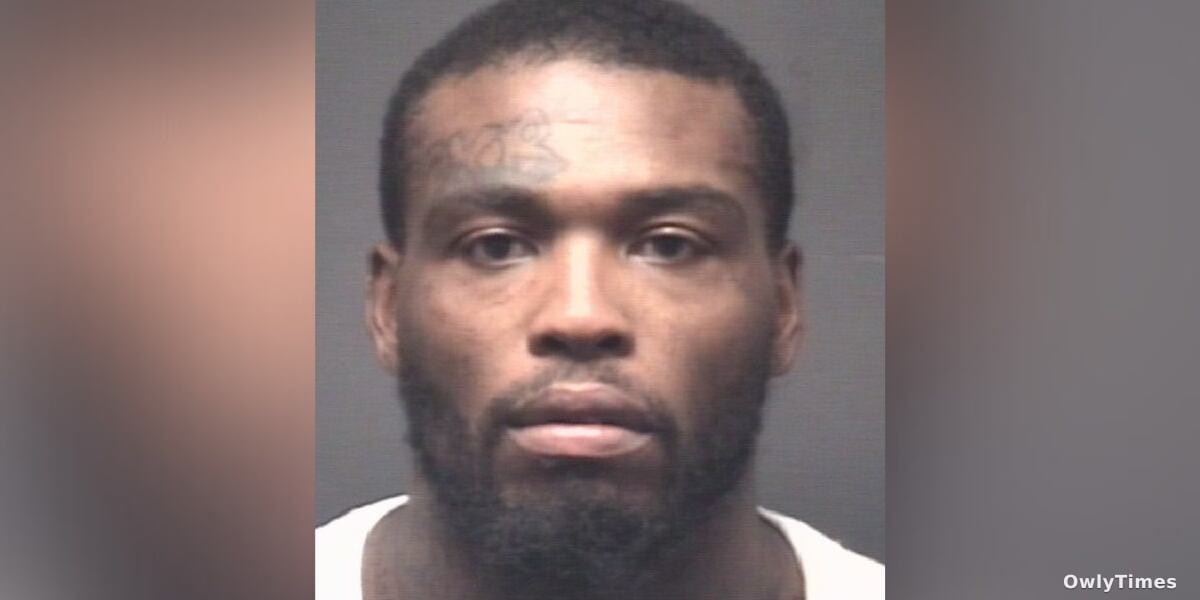
$0. That’s the bond amount set for Nehemiah Austin, 29, following his arrest Friday for discharging a firearm at Da Hotbox Lounge in Greenville, North Carolina. While the immediate concern is public safety, the escalating incidents at this single business – this is the second shooting in as many weeks, following an arrest on February 8th – reveal a pattern with potentially significant, and quantifiable, financial repercussions for the city and surrounding businesses. Follow the money, and a clear picture emerges: concentrated crime isn’t just a police matter, it’s a balance sheet liability.
The Cost of Fear: Diminished Foot Traffic and Property Values
The Greenville Police Department reports that Austin’s actions caused “multiple people to run in fear for their safety.” Quantifying “fear” is difficult, but its economic impact is readily apparent. Businesses rely on predictable customer behavior, and repeated incidents of gun violence introduce volatility. Da Hotbox Lounge itself is now demonstrably a risk, but the damage extends beyond its doors. A 2022 study by the Urban Institute found that businesses within a quarter-mile radius of a shooting experience an average 12% decline in foot traffic in the following month. Extrapolating this to the South Memorial Drive corridor, we can anticipate a measurable decrease in revenue for neighboring establishments – restaurants, retail, and service providers alike. This isn’t theoretical; insurance premiums for businesses in the area will almost certainly rise at renewal, reflecting the increased risk profile.
Drawn from witn.com.
Escalating Police Costs and Legal Liabilities
Beyond the impact on private businesses, the city of Greenville is incurring direct financial costs. Each arrest, investigation, and court appearance associated with these incidents drains public resources. Austin’s charges – discharge of a firearm, resisting a public officer causing serious bodily injury (an officer sustained a cut hand), possession of a firearm by a felon, resisting arrest, and injury to personal property (damage to restraints) – represent a substantial investment of police time, forensic analysis, and legal prosecution. Furthermore, the city now faces potential legal liability. The injury to the officer, coupled with the documented fear experienced by bystanders, opens the door to civil lawsuits alleging negligence in maintaining public safety. Pitt County taxpayers will ultimately bear these costs, either through increased taxes or cuts to other essential services. The fact that Austin is being held without bond suggests authorities view him as a high flight risk and a continued threat, further escalating the long-term cost of containment.
A Pattern of Neglect? Comparing Greenville to Peer Cities
Greenville’s situation isn’t unique, but the frequency of incidents at a single location is alarming. Comparing Greenville to peer cities of similar size and demographic makeup – Fayetteville, NC, and Columbia, SC, for example – reveals a higher incidence rate of reported shootings near entertainment venues. Fayetteville, with a population of roughly 208,000, reported 37 shooting incidents in 2023, but these were dispersed across a wider geographic area. Columbia, population 137,000, saw 42 shootings, but again, lacked the concentration seen on South Memorial Drive. This suggests a potential failure in targeted policing or a systemic issue with the management and oversight of businesses attracting criminal activity. The city’s response – arresting individuals after incidents occur – is reactive, not preventative, and represents a fiscally inefficient approach to public safety.
What this means for your wallet: The Price of Inaction
The arrest of Nehemiah Austin is not an isolated event; it’s a symptom of a larger problem. The escalating costs associated with repeated incidents at Da Hotbox Lounge – diminished business revenue, increased police expenditures, potential legal liabilities, and rising insurance premiums – will ultimately be borne by Greenville residents. The question now is whether the city will proactively address the underlying issues contributing to this concentration of crime, or continue to react to each incident as it unfolds. Investors should watch for a shift in city policy towards stricter enforcement of safety regulations for entertainment venues, increased investment in community policing, and a more comprehensive strategy for addressing the root causes of violence. Consumers should be prepared for potential increases in local taxes or reductions in city services if the current trend continues. Will Greenville prioritize preventative measures, or continue to pay the escalating price of inaction?