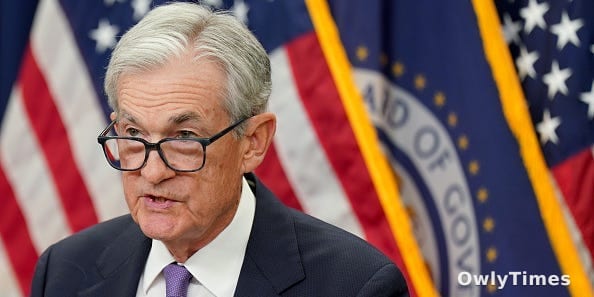

$0. That’s the quantifiable value of evidence the Justice Department presented to support its criminal investigation into Jerome Powell, Chair of the Federal Reserve. A stunning dismissal of subpoenas by US District Judge James Boasberg isn’t merely a legal victory for Powell; it’s a flashing red indicator of the escalating politicization of monetary policy and a potential harbinger of instability in financial markets. The ruling, unsealed Friday, reveals a probe demonstrably motivated by political pressure – specifically, former President Donald Trump’s relentless campaign to force lower interest rates – rather than legitimate suspicion of wrongdoing.
The core of the case revolved around subpoenas seeking records related to renovations at the Fed’s Washington D.C. headquarters and Powell’s testimony regarding those renovations. However, Judge Boasberg’s 27-page ruling meticulously details a pattern of attacks from Trump and his allies, citing over 100 statements pressuring Powell to lower rates. This context is crucial: the Federal Reserve’s independence is predicated on its ability to make decisions based on economic data, not political whims. The Justice Department’s pursuit of these subpoenas, in light of this documented pressure, appears – according to the judge – as a blatant attempt to coerce Powell’s actions or force his resignation. To put this in perspective, the last time a Fed Chair faced this level of direct political interference was during the Ford administration in the 1970s, a period marked by significant economic turmoil.
See the original Business Insider story for the full account.
The implications extend beyond Powell’s personal legal standing. US Attorney Jeanine Pirro’s vow to appeal the decision, coupled with her statement that Powell is now “bathed in immunity,” underscores the intensity of the political battle. This isn’t simply about a renovation project; it’s about control over the levers of the US economy. The timing is particularly sensitive, as Powell’s term is set to expire in May, and Trump has nominated Kevin Warsh as his replacement. Senator Thom Tillis, a key Republican on the Banking Committee, has already signaled opposition to Warsh’s confirmation until the investigation concluded – a position he now appears to be doubling down on, suggesting the appeal will only further delay the process. This creates a dangerous stalemate, potentially leaving the Fed without a confirmed Chair during a period of economic uncertainty.
The dismissal also highlights a critical tension within the Justice Department itself. The decision to pursue these subpoenas, and the subsequent lack of demonstrable evidence, raises questions about the influence of political considerations on law enforcement. While Pirro frames the appeal as a defense of the Justice Department’s authority, the judge’s ruling paints a picture of a politically motivated investigation. This erosion of trust in the impartiality of the Justice Department has broader ramifications, extending beyond the realm of monetary policy. Consider the precedent this sets: if investigations can be initiated based on political pressure rather than evidence, the integrity of the entire legal system is compromised.
What this means for your wallet is a heightened degree of uncertainty. The Federal Reserve’s credibility is directly linked to its independence. If markets perceive that the Fed is susceptible to political pressure, it could lead to increased volatility, higher borrowing costs, and a less stable economic environment. Investors should closely monitor the outcome of the appeal and the confirmation process for Kevin Warsh. The key question isn’t simply who will be the next Fed Chair, but whether that individual will be able to operate free from undue political influence. Watch for any further statements from Trump regarding the Fed, and pay attention to how financial markets react to any developments in this ongoing saga. The future of US monetary policy – and, by extension, your financial well-being – may depend on it.