
The image was stark: Nasser al-Khelaifi, the man who effectively runs European football, grounded in Doha while his Paris Saint-Germain team dismantled Chelsea in the Champions League. It wasn’t a travel mishap, but a symptom of a deeper unease gripping the Gulf states’ ambitious sports projects. The closure of Qatari airspace, a direct consequence of escalating regional conflict, wasn’t just an inconvenience for a football executive; it was a flashing warning sign about the inherent vulnerabilities of building a sporting empire on foundations of geopolitical fragility. We’ve seen the headlines about cancelled games, but beyond the immediate disruption lies a reckoning with the very premise of the Gulf’s sports diversification strategy.
The scale of al-Khelaifi’s influence is immense. As president of PSG, chair of Qatar Sports Investments, and head of the European Club Association – the body that, alongside UEFA, governs the Champions League – he’s arguably second only to Gianni Infantino in global football power. His forced absence from the PSG-Chelsea match, followed by a scramble to London for the return leg, underscored the precariousness of a system built on seamless global connectivity. But the ripple effects extend far beyond one man’s travel plans. A wave of cancellations has swept across the region, echoing the early days of the COVID-19 pandemic. The Formula One races in Bahrain and Saudi Arabia are off, the Argentina-Spain football clash in Doha is postponed, and even the MotoGP Qatar Grand Prix has been rescheduled for November. Northbourne Advisory reports over 100 events cancelled across all sectors since the start of the conflict, a number that speaks to a systemic disruption, not isolated incidents.
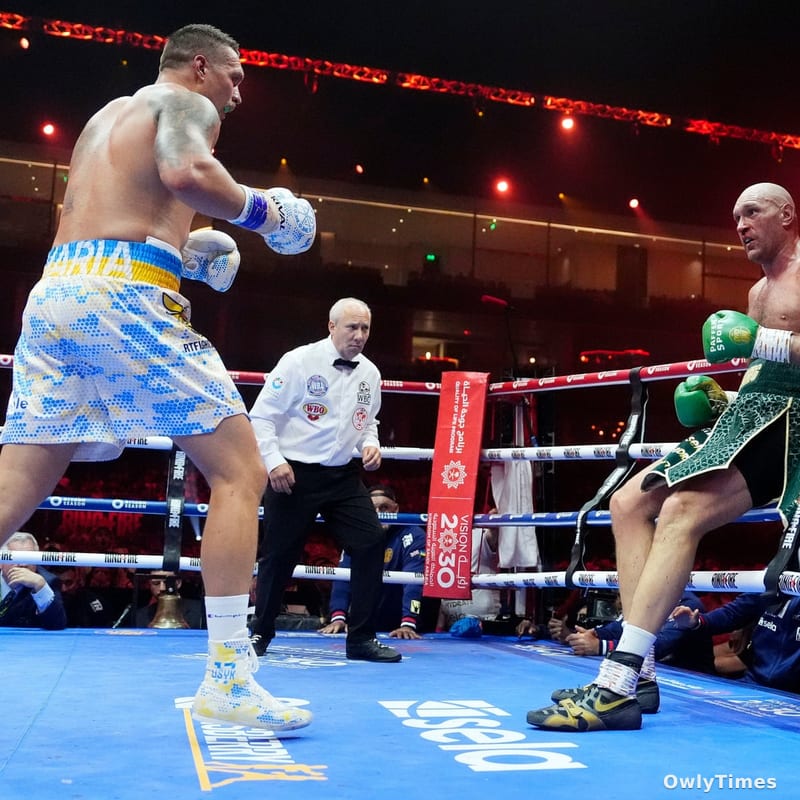
This isn’t simply about lost revenue from postponed events, though that’s significant. The Gulf states, particularly Qatar and Saudi Arabia, have poured an estimated $220 billion into sport over the last decade, aiming to transform themselves into global sporting hubs and diversify their economies away from oil dependency. Qatar’s 2022 World Cup was the most visible manifestation of this ambition, a breathtaking, if controversial, attempt to build a sporting megacity from scratch. Saudi Arabia, fueled by its “Vision 2030” project, is aiming for sport to contribute 3% of its GDP by the end of the decade – a target exceeding even the EU’s current 2% and the UK’s 2.5%. The recent unopposed bid to host the 2034 World Cup and the influx of footballing superstars like Cristiano Ronaldo and Karim Benzema into the Saudi Pro League initially signaled success. But as Simon Chadwick, professor of Eurasian sport industry at the Emlyon business school, points out, the model is fundamentally flawed.
The Gulf’s strategy has been event-based, reliant on attracting international competitions and talent. It’s a “build it and they will come” approach that overlooks the crucial need for a sustainable, self-sufficient sports ecosystem. They’re “hosting events, buying players, and hiring foreign consultants,” says Chadwick, “but are not manufacturing equipment and apparel…or investing in e-sports.” This dependence on imports – from construction workers building stadiums to foreign players filling leagues – leaves them acutely vulnerable to external shocks. A sports promoter with extensive experience in the kingdom described recent conversations with the Saudi ministry of sport as “surreal,” with officials seemingly “in denial” about the severity of the crisis. Even the Saudi Pro League, publicly projecting normalcy with continued matches, has seen AFC Champions League fixtures postponed, a quiet acknowledgement of the underlying instability.
This piece references the The Guardian report.
The long-term implications are potentially devastating. Beyond the immediate cancellations and the dent to investor confidence, the biggest threat lies in the potential for reduced oil and gas exports, which would inevitably lead to spending cuts. Reports from The Guardian indicate that the Public Investment Fund (PIF) has already begun scaling back budgets for World Cup stadium construction, and the Qiddiya Speed Park, slated to host the Saudi Arabian Grand Prix, remains unfinished. While football, Formula One, and boxing are likely to be prioritized, less established sports like tennis, golf, and darts are facing the chopping block. The Gulf’s sporting ambitions, once seemingly limitless, are now facing a harsh reality check. The conflict isn’t just disrupting the calendar; it’s exposing the fragility of a dream built on shifting sands.
The question now isn’t if the Gulf’s sports projects will be impacted, but how profoundly. Will this crisis force a fundamental reassessment of their diversification strategies, shifting focus from attracting events to building genuine, sustainable sporting industries? Or will it lead to a retrenchment, a scaling back of ambitions as economic pressures mount? The coming months will reveal whether the Gulf states can adapt and build a more resilient sporting future, or if their grand vision will remain grounded, much like Nasser al-Khelaifi was last week in Doha.

