
$146 Billion at Risk: Iraq’s Oil-Dependent Economy Faces Collapse as US-Iran Tensions Escalate
A 90% revenue dependency is a precarious position for any nation, and for Iraq, that figure – representing the share of its budget derived from oil exports – is now flashing red. The recent declaration of force majeure on oilfield operations, triggered by disruptions in the Strait of Hormuz, isn’t simply a contractual inconvenience; it’s a potential economic catastrophe unfolding in real-time, directly linked to the escalating proxy conflict between the United States and Iran on Iraqi soil. While headlines focus on drone strikes and retaliatory threats, the financial implications for Iraq, and potentially global energy markets, are being drastically underestimated.
This article draws on reporting from Al Jazeera.
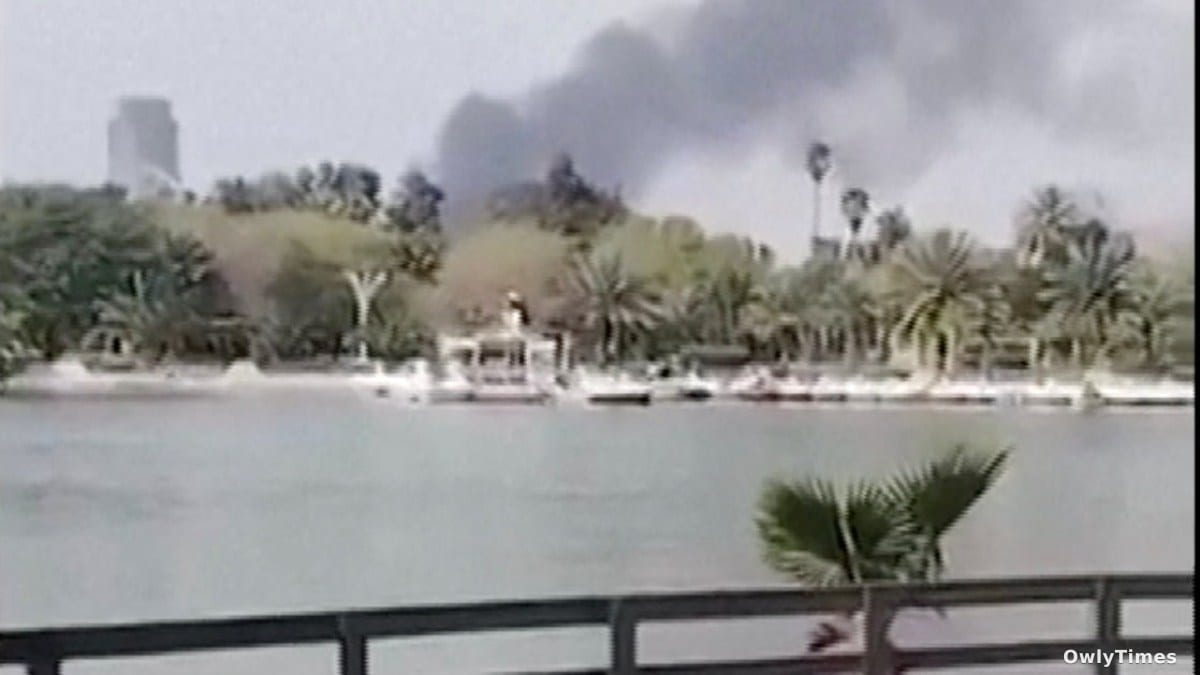
The immediate catalyst is the intensifying back-and-forth between Washington and Tehran. Following attacks on a US diplomatic and logistics center at Baghdad International Airport, the US military launched strikes against the Popular Mobilisation Forces (PMF), a Shia paramilitary group with close ties to Iran. These strikes, described by Al Jazeera’s Assed Baig as causing “more symbolic damage than anything else,” are nonetheless escalating a dangerous pattern. The PMF, formally integrated into Iraq’s armed forces since its pivotal role in defeating ISIS in 2014, represents a complex web of allegiances, making direct targeting a high-wire act for US forces. The fact that these positions were reportedly deserted at the time of the strikes suggests a level of pre-emptive intelligence, but also highlights the difficulty of definitively neutralizing a group deeply embedded within the Iraqi state.
The situation isn’t merely about military posturing. President Trump’s initial threat to attack Iranian power plants, followed by a five-day postponement, underscores the volatile decision-making process and the potential for miscalculation. This brinkmanship directly impacts the Strait of Hormuz, a critical chokepoint for global oil supply. Iraq’s Ministry of Oil citing disruptions to navigation through the Strait as justification for force majeure isn’t a unilateral decision; it’s a direct consequence of perceived – and escalating – threats to maritime security. This suspension of oilfield operations, developed by foreign oil companies, effectively halts most of Iraq’s crude exports, jeopardizing an estimated $146 billion in annual revenue (based on 2023 export figures of approximately 1.3 million barrels per day at an average price of $83 per barrel).
The economic fallout extends beyond Baghdad. Foreign oil companies operating in Iraq are now facing contractual uncertainty, with no compensation guaranteed under the force majeure clause. This creates a chilling effect on future investment, potentially derailing Iraq’s long-term plans to increase oil production and diversify its economy. Nicolas Haque, reporting from Baghdad, accurately points out the widespread anxiety among Iraqis, “caught between Iran…and the US,” and feeling “very vulnerable” as this conflict unfolds. This vulnerability isn’t just geopolitical; it’s fundamentally economic. The Iraqi dinar has already experienced downward pressure, and further devaluation is likely if oil exports remain suppressed.
The strikes targeting the Iraqi National Intelligence Service headquarters, and the repeated attacks on Camp Victory, further complicate the picture. These incidents demonstrate a willingness by pro-Iran armed groups to directly challenge US interests within Iraq, and the Iraqi security forces’ struggle to contain them. Assed Baig’s observation that authorities are “in a very difficult position, trying to balance the relationship with the US and these very powerful armed groups” is a significant understatement. Iraq is effectively being forced to choose sides in a conflict it didn’t initiate, and the economic consequences of that choice are becoming increasingly dire.
What this means for your wallet: Expect increased volatility in global oil prices. A prolonged disruption to Iraqi oil exports – even a partial one – will tighten supply, potentially pushing prices above $90 per barrel. More importantly, watch for a potential humanitarian crisis in Iraq. A collapse in government revenue will inevitably lead to cuts in social programs and essential services, exacerbating existing economic hardship and potentially fueling further instability. The key question now is not if Iraq’s economy will suffer, but how long it can withstand this sustained pressure, and whether the US and Iran will prioritize regional stability over escalating their proxy war.