
$119 Oil and Escalating Threats: The Shifting Calculus in the Persian Gulf
$119. That’s where Brent crude oil briefly surged to on Thursday, a figure representing a 60% increase since the start of the recent conflict and a stark indicator of the rapidly escalating tensions in the Persian Gulf. While the price retreated to $110, the initial spike isn’t merely a market fluctuation; it’s a direct consequence of Iranian attacks on critical energy infrastructure and a volatile response from the U.S. and its allies, revealing a dangerous feedback loop where retaliatory strikes are met with further disruption, driving up global energy costs and raising the specter of wider conflict. Follow the money – the flow of oil, the cost of defense, and the potential for economic fallout – and the picture becomes clear: this isn’t just a geopolitical crisis, it’s a looming economic shock.
Based on the original the Los Angeles Times report.
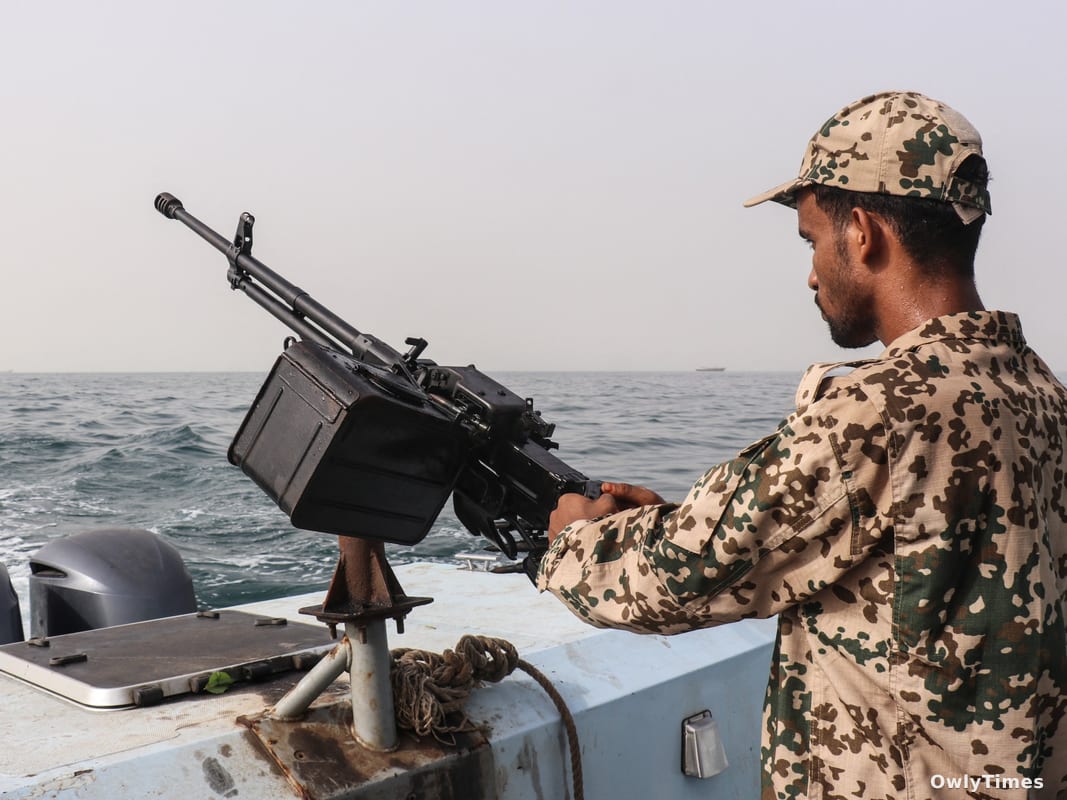
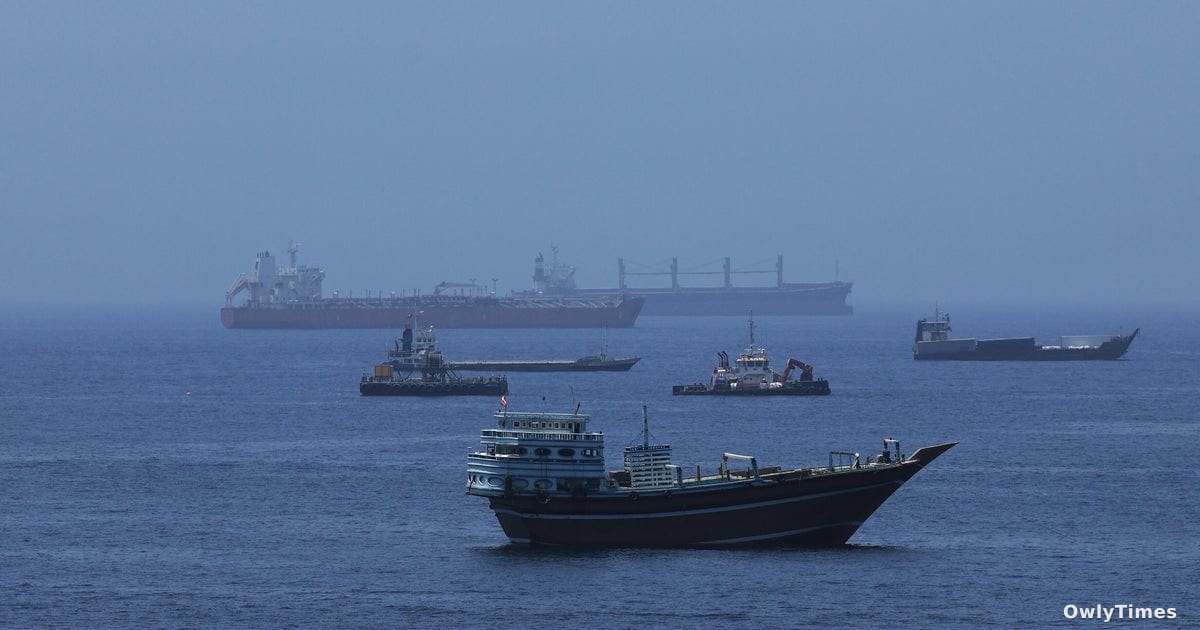
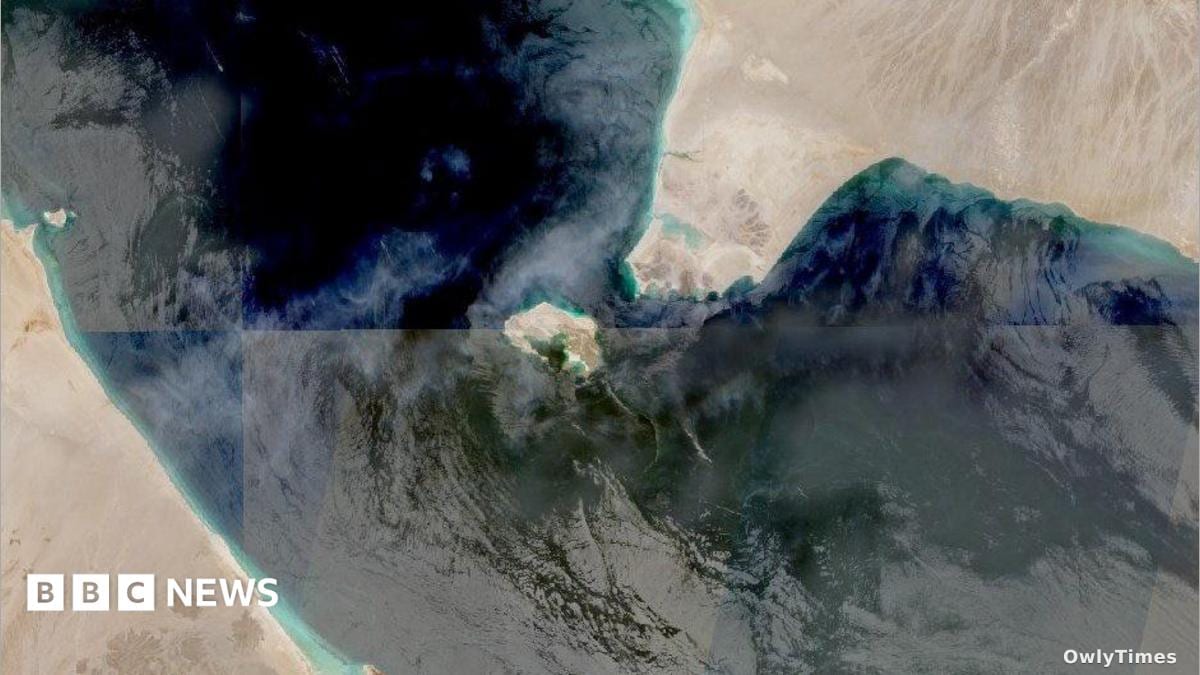
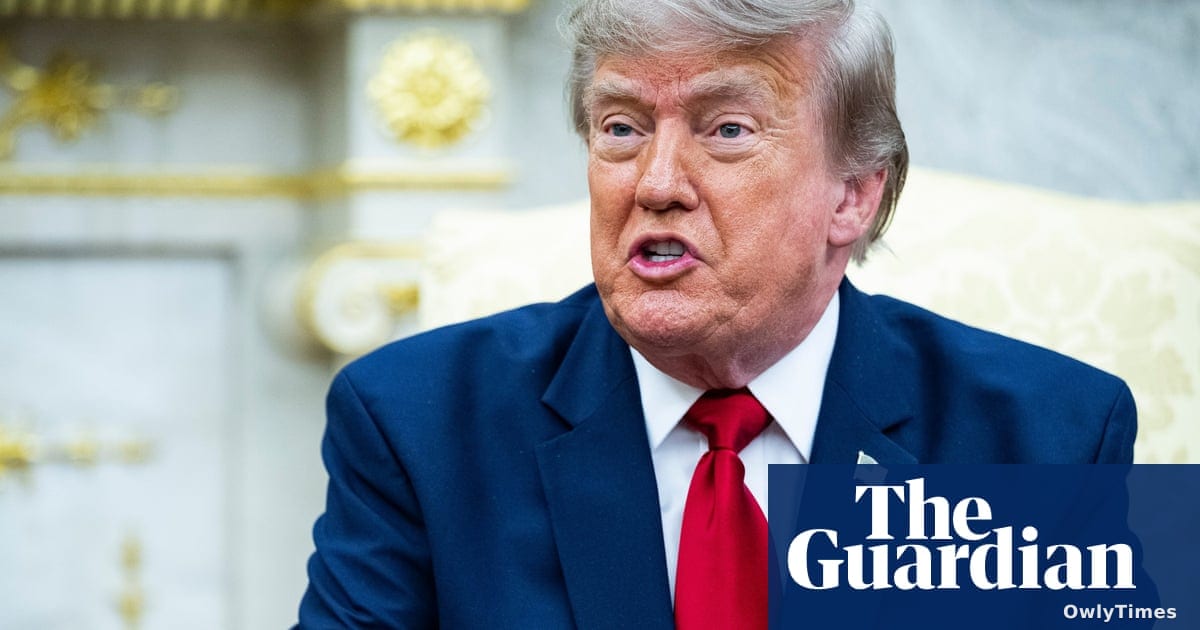
The immediate trigger for Thursday’s escalation was a series of Iranian attacks targeting oil facilities in Saudi Arabia, vessels in the Strait of Hormuz – through which 20% of the world’s oil passes – and LNG facilities in Qatar. These attacks, coupled with Iran’s targeting of Israeli infrastructure, prompted a surprisingly public rebuke from President Trump towards Israel for striking Iran’s South Pars gas field, the world’s largest. Trump’s initial statement, claiming “NO MORE ATTACKS” unless Iran continued targeting LNG facilities, was quickly followed by a threat to “massively blow up” South Pars if Iranian attacks persisted. This rhetoric, while seemingly aimed at deterrence, introduces a critical escalation point. The U.S. is openly threatening the destruction of a vital Iranian asset, a move that fundamentally alters the cost-benefit analysis for Tehran.
This isn’t simply about military capabilities; it’s about economic leverage. Iran’s attacks are designed to disrupt oil flows and raise prices, increasing its bargaining power and inflicting economic pain on its adversaries. Saudi Arabia’s response, threatening force if attacks continue, further complicates the equation. Riyadh has already intercepted 457 drones, 40 ballistic missiles, and seven cruise missiles since February 28th, demonstrating a significant investment in defensive capabilities. The UAE has downed even more – 1,714 drones, 334 missiles, and 15 cruise missiles – highlighting the immense financial burden of defending against Iranian aggression. These numbers aren’t just statistics; they represent billions of dollars diverted from economic development and infrastructure projects.
The situation is further muddied by conflicting signals from the Trump administration. While asserting the U.S. doesn’t need help from allies, Trump simultaneously requested “appropriate” assistance in safeguarding the Strait of Hormuz, particularly from energy-dependent nations like Japan and the European Union. This apparent contradiction underscores a core tension: the U.S. wants to project strength and independence, but recognizes the need for international cooperation to secure a vital global trade route. The administration’s request for an additional $200 billion for the war effort, defended by Secretary Hegseth as “money to kill bad guys,” is a clear indication of the escalating financial commitment. This figure dwarfs previous military expenditures in the region and signals a long-term engagement, despite assurances that the U.S. is not seeking another “endless” Middle East war.
The potential for sanctions relief on 140 million barrels of Iranian oil, announced by Treasury Secretary Bessent, represents a calculated gamble. While intended to stabilize oil prices – representing roughly 10-14 days of global supply – it would simultaneously provide a significant financial lifeline to the Iranian government, potentially fueling further aggression. This move directly contradicts previous U.S. policy aimed at crippling Iran’s economy and highlights the administration’s desperation to contain the crisis. The Soufan Center’s assessment that Israel’s strike on South Pars represents a “clear expansion of the conflict” is a critical observation. Targeting Iran’s electricity supply is a deliberate attempt to inflict pain on the civilian population, raising the stakes and increasing the likelihood of further escalation.
What this means for your wallet: Expect continued volatility in energy prices. Even if the immediate crisis subsides, the risk premium on oil will likely remain elevated for the foreseeable future. Beyond gasoline prices, consumers should anticipate potential increases in the cost of goods and services reliant on transportation and energy. More importantly, watch for whether the U.S. follows through on its threat to lift sanctions on Iranian oil. If it does, it will be a clear signal that the administration is prioritizing short-term price stability over long-term strategic goals, and a tacit acceptance of Iran’s disruptive behavior. The question isn’t if another attack will occur, but where and when – and whether the U.S. will continue to respond with a strategy that appears increasingly reactive and internally inconsistent.