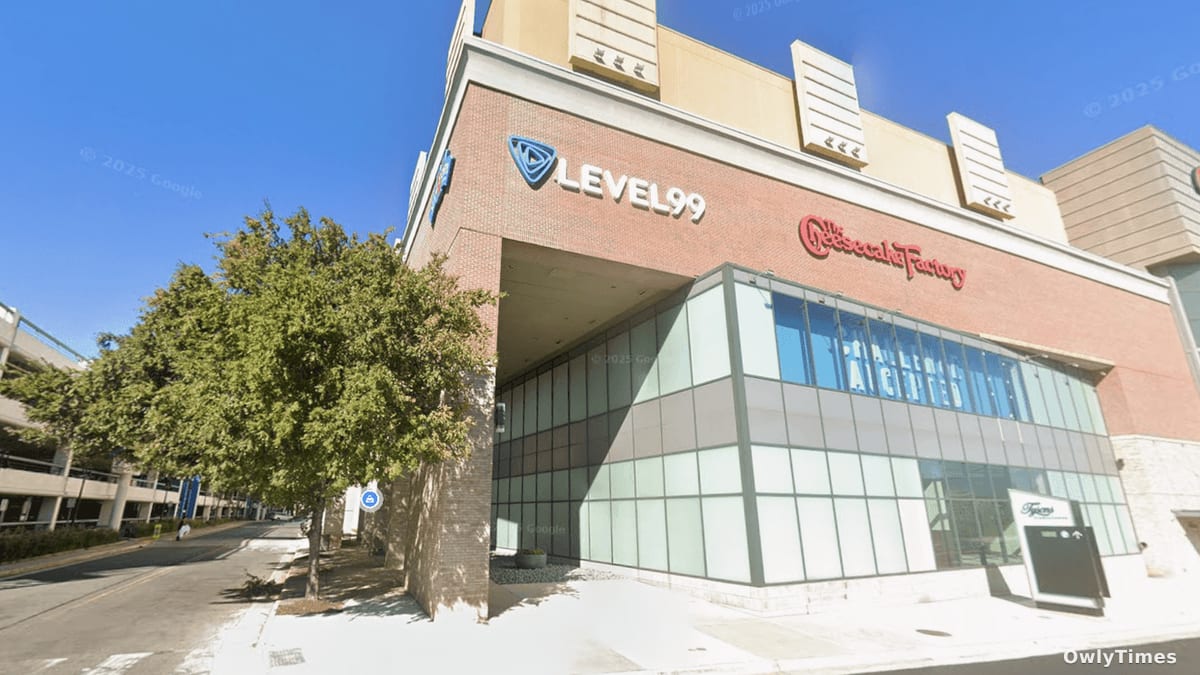

The fluorescent glow of a high-tech gaming arena is supposed to be a sanctuary of artificial challenges and scripted thrills. At Level99 in Tysons, Va., patrons expect to battle through physical obstacles and mental puzzles, fully immersed in a curated reality. Yet, on April 26, 2026, the lines between safe, manufactured fun and lethal reality collapsed in a heartbeat. A simple afternoon of play turned into a scene of terrifying uncertainty when a misplaced firearm transformed a supposed "prop" into a source of genuine danger.
The Disappearing Duty Weapon
The incident centers on a Fairfax County Police Department captain who, while enjoying his off-duty time, somehow became separated from his personal sidearm. According to information obtained by NBC Washington, the officer was actively participating in the facility’s games when he lost control of the weapon. In a space designed for total engagement, the captain’s failure to secure his firearm created a vacuum of safety that was filled almost instantly by an unsuspecting teenager.
For a 14-year-old girl navigating the same entertainment center, the discovery of a heavy, metallic object tucked away in the environment would naturally register as part of the game. Mistaking the loaded firearm for a harmless prop, she acted on that assumption, resulting in the discharge of the weapon. It is a chilling reminder of how quickly the mundane can shift into the catastrophic, as the girl was left to process the immediate, violent reality of a live-fire event.
The Aftermath of a Near-Miss
The statistics of the event offer a reprieve that the situation itself barely deserves: nobody was struck or injured during the discharge. While the teen requested medical assistance, the response was limited to treatment at the scene, underscoring the miraculous lack of physical casualties. Despite the gravity of the potential outcome, authorities have not disclosed the specific duration of time that elapsed between the captain losing the weapon and the teenager pulling the trigger.
The administrative response to this breach of protocol has been swift and firm in its lack of consequence. No charges have been filed against the captain by the city or the attorney’s office, and his department has explicitly stated that he will face no internal repercussions. Because the officer was off the clock and the weapon was his personal property, the department has essentially categorized the incident as a private matter rather than a failure of professional conduct.
Accountability in Public Spaces
This incident forces a broader conversation about the expectations we place on those who carry weapons, even when they are not officially on duty. When a member of law enforcement enters a public space like Level99—a venue specifically marketed for its variety of physical and mental challenges—the presence of a firearm carries an inherent burden of responsibility. By shielding the captain from professional accountability, the department’s stance suggests a stark divide between the individual’s private life and the public’s right to safety.
The cultural impact of such an event ripples far beyond the walls of a Tysons entertainment center. It highlights the growing tension in how society views the ubiquity of firearms, even in spaces where the public feels they should be shielded from them. As we look ahead, the next internal review or policy update from the Fairfax County Police Department regarding off-duty carry requirements will indicate whether this incident remains a singular, lucky anomaly or a catalyst for reevaluating the safety standards expected of officers in civilian environments.