
The Calculus of Condemnation: Harris’s Wisconsin Stop and the Shifting Sands of Executive Power
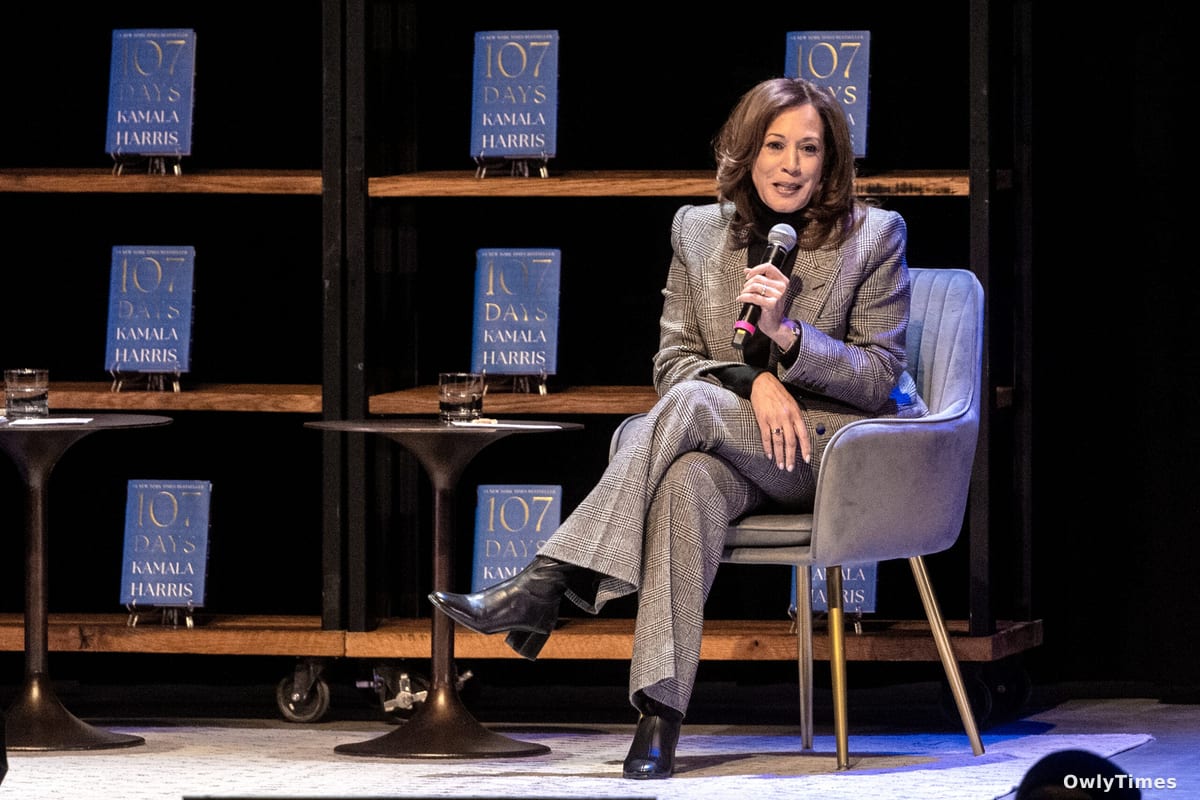
The timing of Kamala Harris’s Wisconsin book tour stop wasn’t about selling copies of “107 Days.” It was a calculated move to establish a clear political contrast with Donald Trump amidst escalating tensions in Iran, and a subtle positioning for a future where executive overreach becomes a central campaign issue. While ostensibly promoting her account of a rapid-fire presidential campaign launched after Joe Biden’s unexpected withdrawal, the former Vice President used the event in Madison to directly accuse Trump of “dragging America into a war that we don’t want,” a charge leveled in the wake of Trump’s announcement of the death of Ayatollah Ali Khamenei and threats of further retaliation. This isn’t simply partisan criticism; it’s a strategic framing of Trump’s foreign policy as impulsive and destabilizing, a narrative designed to resonate with voters wary of unchecked presidential power.
Source material: wpr.org.
The core of Harris’s argument – that the current escalation is an “unauthorized war” lacking Congressional approval – taps into a long-standing tension within American governance. The War Powers Resolution of 1973, intended to limit the President’s ability to commit the U.S. to armed conflict without Congressional consent, has consistently been tested and often circumvented. Trump’s actions, bypassing Congress and announcing significant military developments via Truth Social, represent a particularly stark example of this trend. This echoes historical precedents, notably Lyndon B. Johnson’s escalation of the Vietnam War through the Gulf of Tonkin Resolution – a situation where initial justifications proved dubious and Congressional oversight was minimal. The parallel isn’t lost on Harris, who acknowledged “atrocities” and admitted her own administration “should have done more,” a veiled reference to past failures in accountability for military interventions.
The immediate political fallout is clear: Democrats are attempting to paint Trump as reckless, while Republicans are largely defending his actions as necessary to protect American interests. However, the deeper dynamic at play is the erosion of trust in executive decision-making. Three reported American soldier deaths, as cited by Harris, add a human cost to the political debate, amplifying the stakes. Who benefits and who loses here isn’t simply about party affiliation. It’s about the balance of power between the executive and legislative branches, and the public’s perception of whether their leaders are acting in their best interests. The fact that the strikes occurred before any formal Congressional debate underscores the vulnerability of the system.
The disruptions at the event – hecklers shouting about genocide and ICE funding – weren’t accidental. They were a manifestation of the deep fissures within the Democratic base. Kamala Harris’s record on issues like Israel and immigration has consistently drawn criticism from progressive activists, and the Madison audience provided a microcosm of that discontent. The moderator, V Spehar, attempting to diffuse the tension with a rendition of “Sing,” highlights the awkward dance between acknowledging legitimate grievances and maintaining control of the narrative. Harris’s response – acknowledging the “feelings” and “outrage” while subtly defending her administration – was a carefully calibrated attempt to appease both sides, a tactic that rarely satisfies anyone completely. This internal conflict within the Democratic party is a significant vulnerability, particularly as they attempt to capitalize on Trump’s perceived excesses.
Beyond the immediate crisis, the event offered a glimpse into Harris’s potential future political strategy. The nostalgic recounting of her childhood in Madison, the engagement with local details like cheese curds, and the genuine connection with attendees like Stephanie Rahman and Betsy Wood were all designed to project an image of empathy and relatability. While Wood expressed a sense of “grief over what could have been,” suggesting a diminished appetite for another national campaign, the event served as a testing ground for Harris to re-establish her political brand. The question now isn’t whether she wants to run again, but whether she can successfully navigate the internal divisions within her party and position herself as a credible alternative to both Trump and the current generation of Democratic leaders. The political chess move to watch next is whether Harris begins to actively cultivate a network of progressive donors and activists, signaling a willingness to address the concerns raised by the hecklers in Madison – and, crucially, whether she can articulate a coherent foreign policy vision that distinguishes her from both Trump’s unilateralism and the perceived failures of the Biden administration.





