
$2.5 Million Signals a Shift in the Art Market’s Center of Gravity
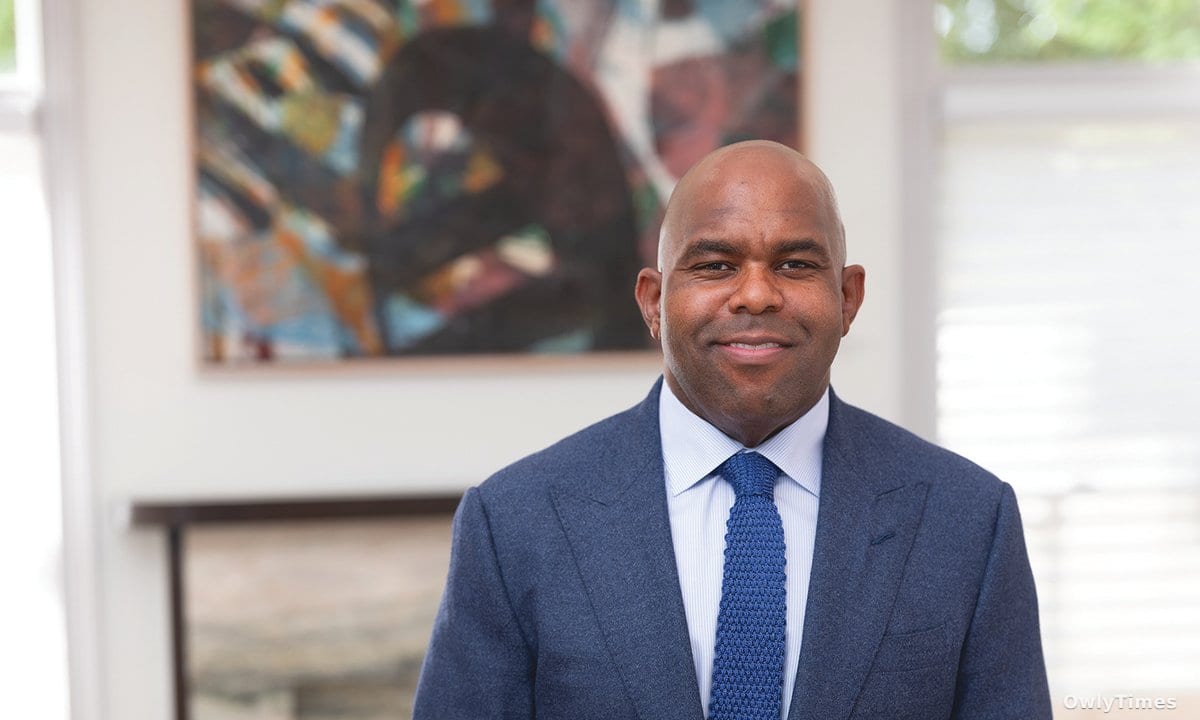
A single painting by Patrick Eugène, recently acquired by entertainment executive Hassan Smith, represents a $2.5 million bet – not just on the artist, but on a recalibration of where value is being created and recognized within the contemporary art world. While the headline figure is substantial, the real story lies in where that money is flowing: increasingly towards Black artists and towards a Los Angeles art scene rapidly eclipsing New York as a primary market driver. Smith’s purchase, disclosed in a recent interview with The Art Newspaper, isn’t an isolated incident; it’s a data point within a larger trend of investment and influence shifting westward and towards historically underrepresented creators.
Smith’s career, managing artists like John Legend and advising the Atlanta Art Fair, positions him at the intersection of cultural production and financial capital. His collection, spanning established masters like Picasso and Rembrandt alongside giants of Black art – Frank Bowling, Gordon Parks, Rashid Johnson – demonstrates a deliberate and increasingly lucrative focus. The 2010 acquisition of Gordon Parks’ photographs, which Smith credits with shaping his approach to storytelling in art, wasn’t merely an aesthetic choice. It was an early entry point into a market segment poised for exponential growth. Since 2010, sales of works by Black artists have increased by an estimated 300%, outpacing the overall art market’s 120% growth, according to a recent report by Art Basel and UBS.
This piece references the theartnewspaper.com report.
The choice of Eugène, whose work was recently featured in a Dior collaboration, is particularly telling. Brand partnerships, once the domain of established “blue chip” artists, are now extending to a wider range of contemporary creators, injecting significant capital and visibility into their work. This isn’t simply about aesthetics; it’s about brands aligning themselves with cultural movements and diversifying their appeal. Eugène’s work, described by Smith as “incredibly transcendent,” benefits from this confluence of artistic merit and commercial opportunity. This dynamic is further amplified by Smith’s preference for acting on instinct, informed by his network – a strategy that rewards early identification of emerging talent before broader market recognition drives up prices.
Smith’s engagement with Frieze Los Angeles, and his enthusiasm for events like the Collector X Dinner, underscores the city’s growing importance. Los Angeles, with its diverse population and thriving creative ecosystem, is attracting galleries, collectors, and artists at a rate that challenges New York’s long-held dominance. In 2023, Los Angeles County saw art sales totaling $1.7 billion, a 15% increase year-over-year, while New York experienced a comparatively modest 8% growth. This isn’t just about geography; it’s about a shift in cultural power and the concentration of wealth in the West Coast. Smith’s choice to dine at Somerville, a Black-owned supper club in South Central Los Angeles during Frieze, further highlights this commitment to supporting local communities and recognizing the cultural richness of the city.
The artist Smith most regrets not buying earlier – Titus Kaphar, Amy Sherald, and Lynette Yiadom-Boakye – reveals a pattern. These artists have experienced significant price appreciation in recent years, demonstrating the financial consequences of delayed investment in emerging talent. His aspirational acquisition, a large-scale painting by Kerry James Marshall from SFMOMA, currently valued at over $20 million, signals the upper echelon of the market he’s observing. Smith’s Oscar picks – Michael B. Jordan and Ryan Coogler – aren’t merely personal preferences; they represent a broader recognition of Black excellence across all creative industries.
What this means for your wallet: The art market, like any other, is driven by supply and demand. The increasing demand for works by Black artists and the growing prominence of Los Angeles as an art hub suggest that early investment in these areas could yield significant returns. However, the key takeaway isn’t simply about speculation. It’s about recognizing a fundamental shift in cultural values and the economic opportunities that arise from supporting underrepresented voices. The question now is: will the broader market follow Hassan Smith’s lead, or will these trends remain concentrated within a select group of informed collectors?