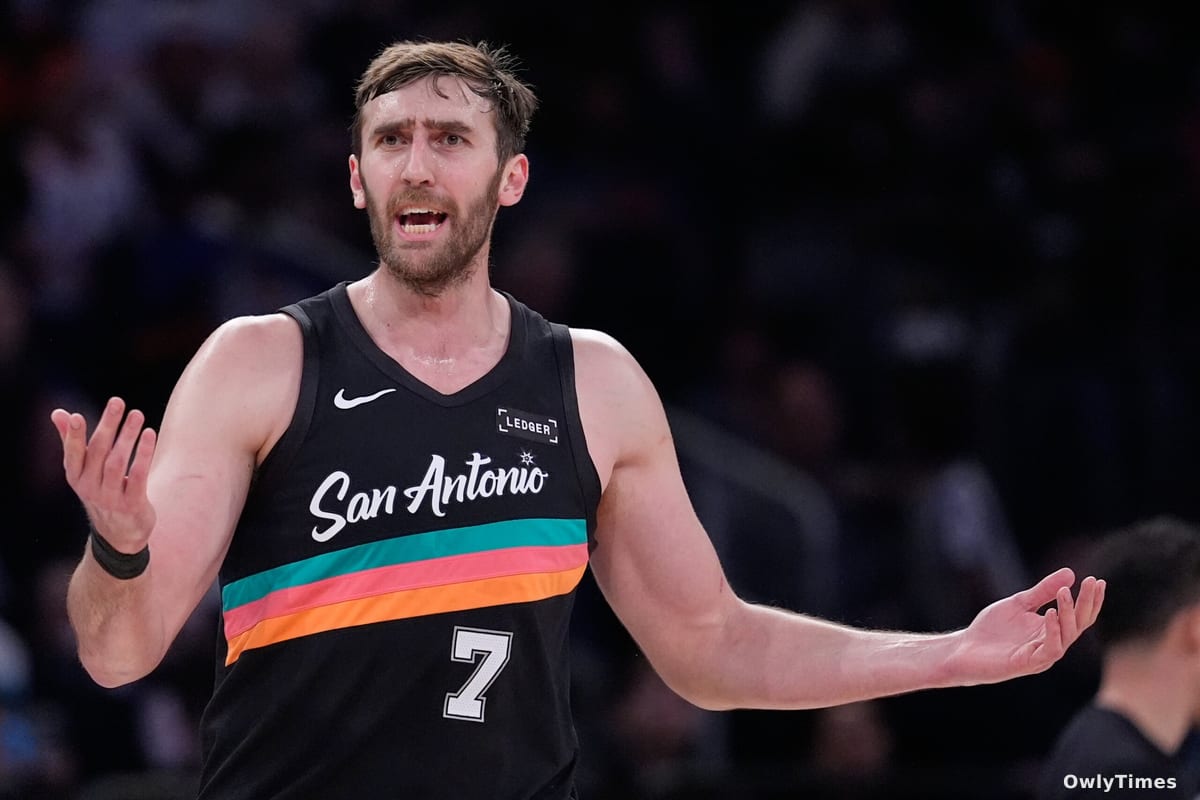

The bass throbbed even through the phone speaker, a phantom echo of Atlanta’s nightlife bleeding into a Monday afternoon. Luke Kornet, a seven-foot-two center for the San Antonio Spurs, wasn’t at a club, though. He was composing a blog post, a digital missive that would quickly detonate a cultural flashpoint within the NBA. It wasn’t a dunk, a trade rumor, or on-court drama that had him fired up, but a promotional partnership between the Atlanta Hawks and Magic City, the city’s most famous strip club. This isn’t just about basketball; it’s about the increasingly fraught intersection of sports, branding, and a reckoning with how we talk about – and profit from – the entertainment of desire.
A League of Contradictions
The Hawks’ announcement last week felt, to many, like a tone-deaf stunt. A live performance by Atlanta rapper T.I., Magic City’s signature chicken wings available at the arena, a branded hoodie – it was a full-court press of promotion. The team framed it as a celebration of Atlanta culture, a nod to a local institution. But Kornet’s response, published Monday, cut through the marketing spin with surgical precision. He pointed out the glaring omission in the Hawks’ press release: the explicit nature of Magic City’s business. “Failed to acknowledge that this place is, as the business itself boasts, ‘Atlanta’s premier strip club,’” he wrote, a statement that landed with the force of a charge call. The issue isn’t about prudishness, he argued, but about complicity. Complicity in a system where, as he starkly put it, “many in this space experience abuse, harassment, and violence.” This isn’t a new debate, but it’s one the NBA, with its carefully cultivated image, has largely avoided directly confronting.
Reporting from wtop.com informs this analysis.
The NBA has spent years attempting to rebrand itself as progressive, championing social justice initiatives and partnering with organizations focused on equality. In 2020, the league saw players kneel during the national anthem, and courts were emblazoned with “Black Lives Matter.” Yet, this commitment to social responsibility feels jarringly at odds with a partnership that, at best, normalizes an industry built on the commodification of bodies. The league generated $8.76 billion in revenue during the 2022-23 season, a figure that underscores the immense financial pressures driving these branding decisions. But at what cost? The Hawks’ move isn’t an outlier; sponsorships are increasingly pushing boundaries, and teams are willing to take risks for revenue. This particular risk, however, has exposed a deep fault line within the league.
Beyond the Headlines: The Economics of Visibility
The outrage isn’t simply about moral objections. It’s about the power dynamics at play. The adult entertainment industry, a $13.8 billion market in the US as of 2023, thrives on visibility. By lending the legitimacy of the NBA brand to Magic City, the Hawks are effectively amplifying that visibility, and with it, the potential for exploitation. Kornet’s blog post isn’t just a condemnation of the partnership; it’s a plea for the league to consider the broader implications of its choices. He’s asking a fundamental question: can an organization genuinely advocate for the safety and respect of women while simultaneously profiting from a business that often undermines those very principles? The Hawks’ defense – that they’re celebrating Atlanta culture – rings hollow when weighed against the documented realities of the industry.
The response has been swift and varied. Social media is ablaze with debate, with fans and commentators weighing in on both sides. While some dismiss the controversy as overblown, others applaud Kornet for speaking out. The Hawks have yet to publicly address the criticism beyond their initial announcement, a silence that speaks volumes. This isn’t just about one team or one promotion; it’s about a larger conversation about the responsibilities of major corporations and the ethical considerations of their marketing strategies. The NBA, with its global reach and cultural influence, has a unique platform – and a unique obligation – to use that platform responsibly.
What Happens When the Game Meets the Grind?
The situation with the Hawks and Magic City isn’t an isolated incident. It’s a symptom of a broader trend: the increasing blurring of lines between entertainment, commerce, and social commentary. Sports teams are no longer just selling tickets and merchandise; they’re selling lifestyles, identities, and values. And in doing so, they’re inevitably navigating complex ethical terrain. The question now is whether the NBA will prioritize short-term profits over long-term integrity. Will the league issue a statement condemning the partnership? Will other teams be pressured to re-evaluate their own sponsorship deals?
The real test will come in the coming weeks. Will the Hawks cancel the promotion, or will they double down, risking further backlash? More importantly, will this moment spark a broader conversation within the league about the ethical boundaries of sponsorship and the responsibility of athletes to use their platforms to advocate for social change? The future of sports branding – and the league’s credibility – may well depend on the answer. We’re watching to see if the NBA will choose to be a leader in responsible marketing, or simply another player in the game of maximizing profits, regardless of the human cost.

