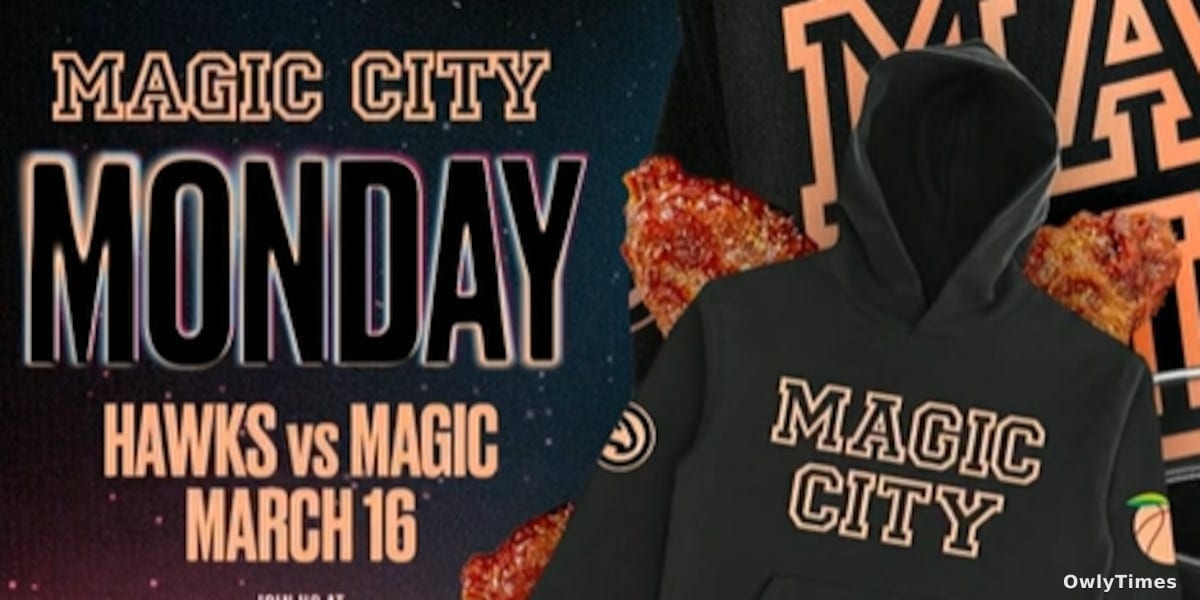

The bass throbbed even through the closed doors of the NBA offices, a phantom echo of the Atlanta nightlife the league just tried to embrace – and swiftly rejected. It wasn’t the music itself, but the association: Magic City, Atlanta’s most famous adult entertainment club, was slated to be the centerpiece of a Hawks “Magic City Monday” promotion next week, complete with a performance by rapper T.I. and branded merchandise. Now, after a swift and surprisingly public rebuke from the league, the promotion is dead, leaving a trail of questions about brand alignment, player agency, and the evolving expectations of corporate responsibility in professional sports. This isn’t just about a canceled promotion; it’s a flashpoint in a larger cultural conversation about how – and if – entertainment can reconcile with the realities of the industries that profit from it.
A League Divided: The Pushback Begins
The initial announcement from the Atlanta Hawks last month was a calculated gamble. Atlanta is a city synonymous with hip-hop and a vibrant, often unapologetic nightlife. The promotion, offering Magic City’s signature chicken wings and a limited-edition hoodie alongside T.I.’s performance, felt like a natural extension of the city’s identity. The Hawks framed it as a celebration of Atlanta’s culture, a move toward “authenticity” as they put it in their statement following the NBA’s decision. But the league clearly didn’t see it that way. NBA Commissioner Adam Silver stated the decision came after hearing “significant concerns from a broad array of league stakeholders,” a carefully worded phrase that hints at pressure from sponsors, broadcast partners, and, crucially, the players themselves. The most vocal critic was San Antonio Spurs center Luke Kornet, who publicly called for the promotion’s cancellation on March 2, arguing it would make the NBA “complicit in the potential objectification and mistreatment of women.”
Kornet’s statement, delivered via social media, tapped into a growing awareness within the league – and among its fanbase – of social responsibility. While the NBA has long positioned itself as progressive on social issues, this incident exposed a tension between celebrating local culture and upholding standards of ethical conduct. It’s a particularly sensitive issue given the league’s ongoing efforts to address issues of sexism and harassment within its own ranks. The fact that a player, not a league official or activist group, initiated the most significant public pressure is noteworthy. Player activism, once largely focused on racial justice, is expanding to encompass a wider range of social concerns, and the NBA is learning to navigate this new dynamic.
This piece references the atlantanewsfirst.com report.
Beyond the Wings and the Hoodie: The Business of Respectability
The financial implications of the cancellation are relatively minor. The hoodie, though pre-ordered, will still be fulfilled, and T.I.’s performance remains on the schedule. But the damage lies in the optics. The NBA, a league that generates over $8.76 billion in revenue in the 2022-23 season – a 25% increase from the previous year – is acutely aware of its brand image. It’s a brand built on athleticism, entertainment, and increasingly, social consciousness. Partnering with an adult entertainment club, even one as culturally significant as Magic City, risked tarnishing that image, potentially alienating sponsors and fans. This isn’t about prudishness; it’s about risk management. The NBA’s sponsors, including major brands like Nike, State Farm, and PepsiCo, are facing increasing pressure to align themselves with socially responsible causes. A partnership with Magic City simply didn’t fit that narrative.
The Hawks’ attempt to walk the line between celebrating local culture and maintaining league standards ultimately failed. Their statement expressing “disappointment” but respecting the NBA’s decision feels like a carefully calibrated attempt to salvage their reputation. They want to be seen as authentic, but not at the expense of their relationship with the league. This highlights a broader challenge for teams in cities with complex cultural landscapes: how to embrace local identity without compromising broader brand values.
What Happens When the League Says No?
The NBA’s swift action sends a clear message to its teams: pushing boundaries on brand partnerships requires careful consideration and, ultimately, league approval. This isn’t a new phenomenon – the league routinely vets potential sponsorships – but the public nature of this reversal is unusual. It suggests that the NBA is becoming less tolerant of partnerships that could be perceived as exploitative or harmful. The question now is whether this is a one-off incident or a sign of a broader shift in league policy. Will teams be more hesitant to propose unconventional promotions in the future? Will players feel empowered to speak out more forcefully against partnerships they deem inappropriate?
The long-term impact of this episode will depend on how the NBA responds to these questions. The league needs to find a way to balance its commitment to social responsibility with its desire to connect with local communities. Simply shutting down controversial promotions isn’t enough. The NBA needs to engage in a more meaningful dialogue with its teams, players, and fans about what constitutes acceptable brand alignment. Otherwise, we can expect more clashes between the league’s corporate interests and the evolving values of the culture it represents. Will the NBA proactively establish clearer guidelines for team partnerships, or will it continue to react to crises as they unfold? That’s the question fans – and potential sponsors – will be watching closely.

