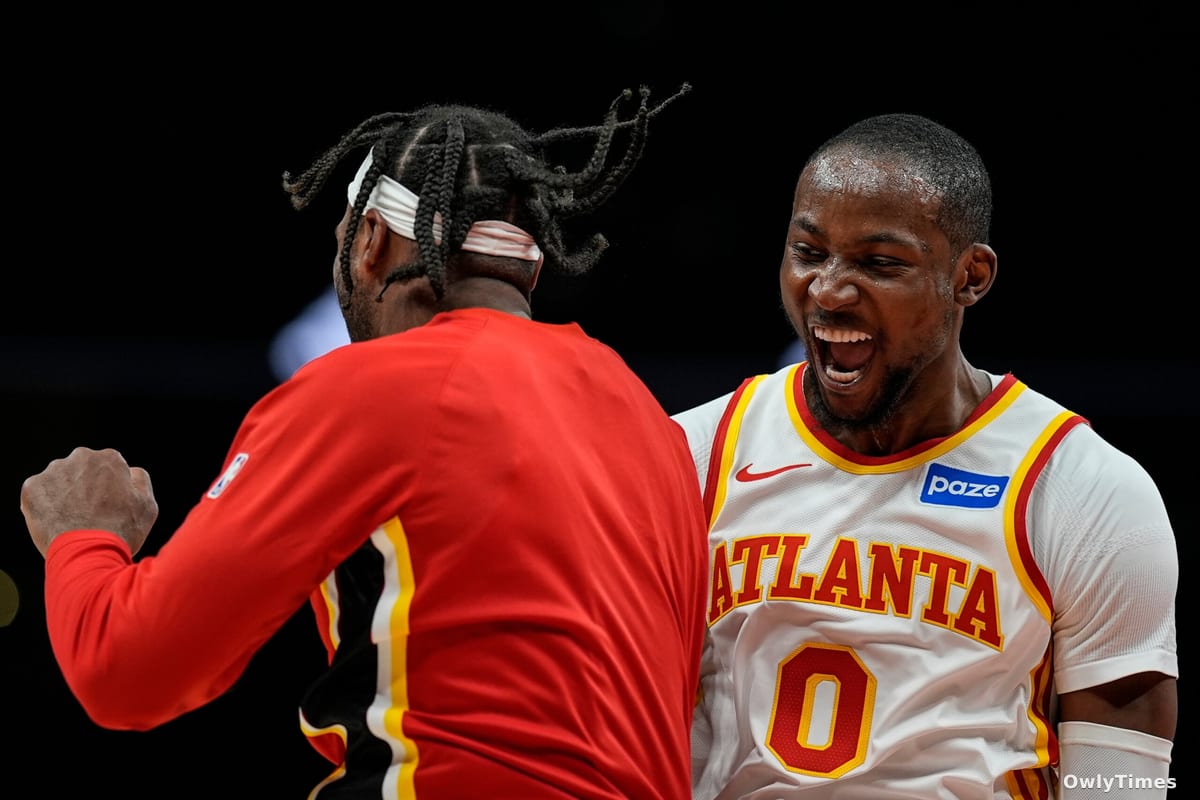

The scent of lemon pepper hung heavy in the air, or at least, that was the intention. Next Monday’s Atlanta Hawks game against the Orlando Magic was slated to be more than just basketball; it was to be a full-throated celebration of Magic City, Atlanta’s legendary strip club, complete with the club’s famed lemon pepper wings (a flavor famously championed by former Hawk Lou Williams), themed merchandise, and a live podcast recording. But the party’s over before it began. The NBA stepped in, effectively vetoing the Hawks’ plans, citing “concerns” from fans, partners, and employees. It’s a move that reveals a fascinating tension between embracing local culture and maintaining a carefully curated brand image, and it begs the question: who really gets to define what’s appropriate for family entertainment?
A Cultural Touchstone, or a Brand Risk?
The Hawks weren’t simply throwing a random theme night. This was a deliberate attempt to honor an institution deeply woven into the fabric of Atlanta’s identity. Jami Gertz, the team’s principal owner, wasn’t just a passive investor; she was a producer of “Magic City: An American Fantasy,” a docuseries that explored the club’s history and its significance within Black and hip-hop culture. Gertz herself framed the promotion as “very meaningful,” emphasizing the club’s “incredible impact on our city and its unique culture.” This wasn’t about exploitation, the Hawks argued, but recognition. Yet, that argument failed to resonate with a significant portion of the NBA’s broader ecosystem. The league, in a statement released by Commissioner Adam Silver, acknowledged the Hawks’ perspective but ultimately prioritized appeasing a wider range of stakeholders.
This piece references the wtop.com report.
The “concerns” cited by Silver are deliberately vague, but the outcry was anything but. Luke Kornet of the San Antonio Spurs publicly urged reconsideration, becoming the most visible voice questioning the appropriateness of promoting a strip club. While Kornet’s objection might seem straightforward, it taps into a larger debate about the role of sports teams in reflecting – or shaping – societal values. The NBA, like other major leagues, walks a tightrope between appealing to a diverse fanbase and maintaining relationships with sponsors who often prefer a more conservative image. In 2023, sponsorship revenue across the NBA totaled $1.6 billion, a 7% increase from the previous year, according to Statista. That kind of money creates a powerful incentive to avoid controversy, even if it means sidelining genuine cultural expression.
Beyond the Headlines: The Politics of Respectability
The NBA’s decision isn’t simply about prudishness; it’s about the politics of respectability. Magic City isn’t just any strip club. It’s a Black-owned business that has, for decades, served as a cultural hub, attracting celebrities, athletes, and musicians. It’s a space where hip-hop artists have found inspiration and where Black culture is celebrated, albeit in a space that remains controversial. By shutting down the Hawks’ promotion, the NBA arguably sent a message that even positive representations of such spaces are too risky for the league’s brand. This echoes a long history of mainstream institutions attempting to sanitize or erase aspects of Black culture deemed “unacceptable.” The league’s swift action stands in stark contrast to its handling of other controversies, raising questions about what kinds of risks are deemed acceptable and which are not.
The financial implications are relatively minor – a canceled theme night won’t significantly impact the Hawks’ bottom line. However, the damage to the relationship between the team and its ownership, particularly Jami Gertz, could be more substantial. Gertz invested not just capital, but also creative energy and personal passion into the project. The league’s intervention effectively undermined her vision and sent a clear signal about the limits of artistic expression within the NBA framework. The Hawks, for their part, have remained silent, issuing no immediate comment following the league’s decision. This silence speaks volumes, suggesting a sense of frustration and perhaps a feeling of being overruled by a league more concerned with optics than authenticity.
What This Means for the Future of NBA Branding
The NBA’s decision to cancel the Magic City night isn’t an isolated incident. It’s a symptom of a broader trend within professional sports: a growing emphasis on brand safety and a reluctance to embrace anything that might be perceived as controversial. While protecting the league’s image is understandable, this approach risks alienating fans who value authenticity and cultural relevance. The question now is whether the NBA will continue to prioritize a sanitized, universally palatable brand, or whether it will be willing to take more risks in celebrating the diverse cultures that make its cities – and its game – so vibrant. Will we see more theme nights honoring local institutions, even those with complex or controversial histories? Or will the league continue to err on the side of caution, potentially sacrificing cultural richness for the sake of corporate comfort? The next team that attempts a similarly bold, locally-rooted promotion will be a crucial test case.

