
The $80,000 Premium for Biotech Bridge-Builders: What HBS is Really Selling
$80,000. That’s the estimated earnings premium graduates of Harvard Business School’s MS/MBA Biotechnology program command within five years of completion, according to internal HBS placement data. While an HBS MBA already carries a significant financial weight – the Class of 2023 reported an average base salary of $177,000 – the dual-degree program signals a deliberate, and lucrative, bet on the convergence of scientific innovation and business acumen. This isn’t simply about training future healthcare executives; it’s about cultivating a new breed of leader capable of translating lab breakthroughs into market realities, and the market is willing to pay a substantial premium for that skillset.
Reporting from poetsandquants.com informs this analysis.
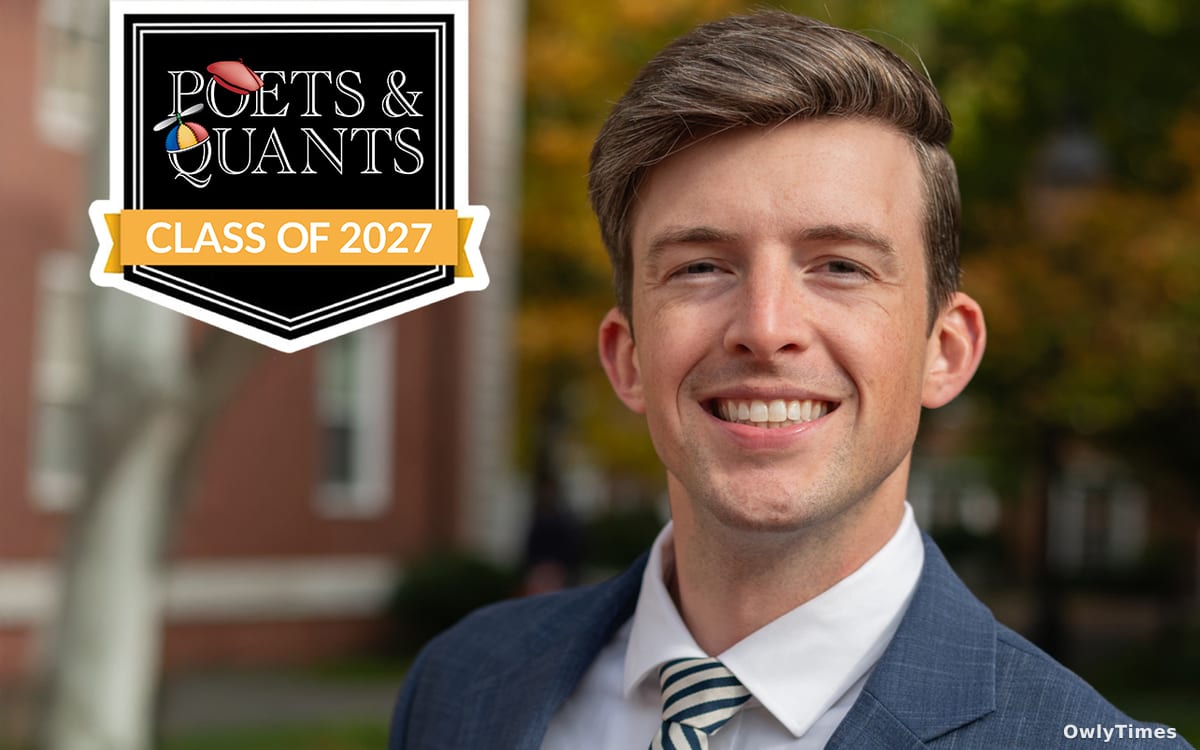
The story of Ethan Miller, a recent HBS admit with a background in laboratory automation engineering at Harbinger Health, exemplifies this trend. Miller, a self-described “outdoor junkie” and Appalachian Trail thru-hiker, wasn’t drawn to HBS solely by its prestige. His decision hinged on the MS/MBA Biotechnology program, a deliberate attempt to bridge his scientific expertise with the business tools needed to accelerate innovation. This isn’t an isolated case. HBS is actively positioning itself as the epicenter for this intersection, investing heavily in resources like the Rock Center for Entrepreneurship and the i-Lab, effectively creating an ecosystem where scientific curiosity and business strategy aren’t just compatible, but mutually reinforcing. The school’s commitment to fostering “scientifically curious” leaders, as Miller puts it, is a direct response to a market demand for individuals who can navigate the complexities of bringing novel therapeutics to scale.
This focus on biotech isn’t new, but its urgency is amplified by recent shifts in the pharmaceutical landscape. The cost of drug development continues to escalate – estimates now hover around $2.6 billion per approved drug – while regulatory hurdles and market access challenges remain formidable. Traditional pharmaceutical companies are increasingly looking to external innovation, fueling demand for leaders who understand both the science and the financial realities of bringing a product to market. HBS’s dual-degree program directly addresses this bottleneck, offering a curriculum designed to equip graduates with the skills to secure funding, navigate clinical trials, and ultimately, commercialize groundbreaking research. The program’s emphasis on the “why” behind an MBA, as highlighted by HBS admissions, isn’t merely philosophical; it’s a pragmatic assessment of whether applicants possess the intrinsic motivation to overcome these challenges.
The value proposition extends beyond purely financial gains. Miller’s experience designing an automated laboratory platform for early cancer diagnosis underscores the potential for impactful innovation. His work, focused on identifying Stage 1, pre-symptomatic cancers, demonstrates a commitment to translating scientific advancements into tangible improvements in patient outcomes. This aligns with a broader trend within the biotech sector: a growing emphasis on preventative medicine and personalized healthcare. HBS is capitalizing on this trend by fostering a community of students, like Miller, who are driven by both scientific curiosity and a desire to make a meaningful difference. The “MyTakes” program, a platform for students to share personal stories, further reinforces this emphasis on qualitative aspects and the importance of understanding individual motivations.
However, the program’s success isn’t solely measured in salary figures or scientific breakthroughs. Miller’s anecdote about leading a group hike in the White Mountains, while seemingly trivial, speaks to the collaborative spirit fostered at HBS. The school isn’t just imparting knowledge; it’s cultivating a network of future leaders who are comfortable taking risks, supporting each other, and navigating complex challenges – both in the lab and on the trail. This emphasis on community, coupled with the program’s rigorous curriculum and access to unparalleled resources, explains why Admitted Students Weekend proved pivotal in Miller’s decision. He wasn’t simply choosing a business school; he was choosing a community.
What this means for your wallet: If you’re considering an MBA with a focus on healthcare or biotechnology, the data suggests a dual-degree program like HBS’s MS/MBA Biotechnology is a significant investment with a demonstrable return. But beyond the financial gains, prospective students should ask themselves: are you prepared to not only understand the science, but to champion its translation into real-world impact? The future of biotech isn’t just about innovation; it’s about leadership that can bridge the gap between the lab and the market, and HBS is betting heavily on cultivating that skillset. The key question for potential applicants isn’t just if they can get in, but if they possess the “why” – the intrinsic motivation – to lead that charge.





