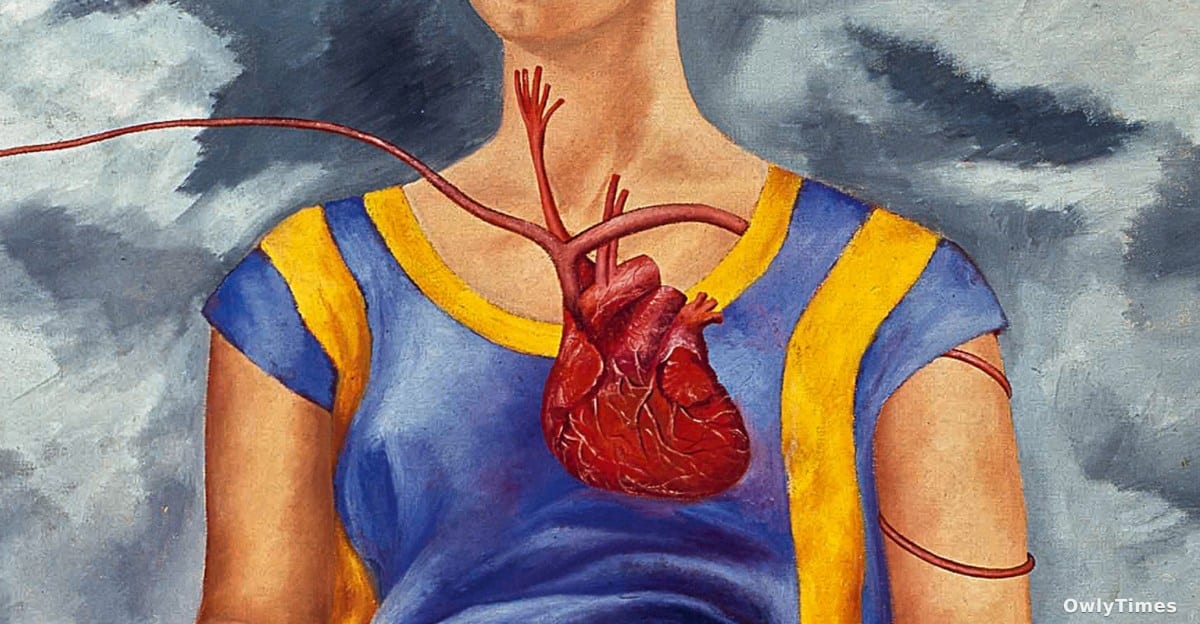

The persistent image of a pink ribbon dominating public consciousness obscures a far more frequent threat to women’s lives: heart disease. While breast cancer awareness campaigns have demonstrably shaped public perception and funding priorities, a critical gap remains in understanding and addressing the leading cause of death for American women. New projections from the American Heart Association indicate this disparity will worsen, estimating that over 22 million US women will be affected by heart disease by 2050, with the most alarming increases occurring in younger women aged 20 to 44. This isn’t simply a matter of numbers; heart attacks are already proving more deadly for adults under 55, and younger women often present without the “classic” risk factors that typically alert clinicians. The urgency isn’t reflected in public awareness, however, and a troubling trend suggests we’re moving in the wrong direction.
The disconnect between the reality of women’s cardiovascular health and public understanding is stark. A 2020 survey by the American Heart Association revealed a significant decline in women’s awareness that heart disease is the number one killer, dropping from 65% in 2009 to just 44% in 2019. Simultaneously, a growing number of women incorrectly believe breast cancer is the more significant threat. This misperception isn’t simply a matter of public education failing to reach its target; it reflects a systemic undervaluation of women’s health within the medical establishment itself. More recent data from a 2025 Women’s Health Alliance survey is particularly concerning: 84% of cardiologists reported treating female patients whose heart conditions had been misdiagnosed by other doctors. Martha Gulati, a cardiologist at Houston Methodist Hospital, succinctly captures the frustration: “I’m just jealous of [oncologists]. They’ve done a good job at getting out the message. We have not.”
The struggle to elevate awareness isn’t for lack of effort. Campaigns like The Heart Truth and Go Red for Women have aimed to raise the profile of women’s heart health, but their impact appears to be plateauing. Gulati believes a fundamental shift in approach is needed, even suggesting a “rebrand” to resonate more effectively with women. This isn’t about superficial marketing; it’s about acknowledging that current messaging isn’t penetrating the cultural noise and failing to reach the individuals most at risk. The problem, as she points out, is that even patients living with heart disease often don’t recognize the significance of a simple red dress pin – the symbol of the Heart Truth campaign.
The roots of this problem extend far beyond public awareness. For decades, researchers have recognized that women experience heart disease differently than men, and that these differences were systematically overlooked in medical research. Landmark studies in the 1980s and 90s revealed that while men were experiencing improvements in heart disease outcomes, women were lagging behind. Subsequent research has identified crucial physiological variations that put women at unique risk, leading to different symptoms and pathologies. However, this knowledge has been hampered by a significant bias in preclinical research. A June 2024 report from the AHA and McKinsey revealed that a staggering 72% of animal studies conducted between 2006 and 2016 utilized only male mice. Human trials weren’t much better, with women comprising only 38% of participants between 2010 and 2017, and post-menopausal women – the demographic at highest risk – representing a mere 26%. Even now, a 2025 study in the American Heart Journal highlights the lack of randomized controlled trials specifically addressing heart conditions disproportionately affecting women.
This piece references the vox.com report.
This research imbalance is compounded by systemic failures within the healthcare system. Less than one in four primary care doctors report feeling adequately prepared to assess cardiovascular risk in women, according to the AHA/McKinsey report. This deficiency stems, in part, from medical school curricula, where over 70% of institutions don’t include gender-specific content, as a 2024 survey revealed. The consequences are profound: women are more likely to experience blockages in smaller arteries, a phenomenon often missed by standard diagnostic tests, and EKGs can be less reliable due to breast tissue interference. Harmony Reynolds, a cardiologist at NYU-Langone, emphasizes the need for comprehensive training: “We have to do better. I think it has to come from training up… I think that has to be true for paramedics, for nurses, for doctors, for every level of the medical establishment and patients.”
The systemic bias extends to patient self-perception. Women are nearly twice as likely as men to attribute chest pain to stress rather than a potential heart condition, and women of color face even greater risks and lower awareness. This creates a dangerous cycle where symptoms are dismissed, diagnoses are delayed, and outcomes are worsened. From 1990 to 2011, young women saw only marginal improvements in mortality rates from coronary artery disease, a sobering statistic that underscores the urgency of the situation. Mary Cushman, a cardiologist at the University of Vermont, has found that framing messages around brain health – highlighting the link between vascular problems and dementia – can be more effective than focusing solely on heart health. “Heart attack is the thing that happens to old guys,” she explains, “But when you say dementia, they’re like, ‘Oh my God, I don’t want that.’”
Looking ahead, the focus must shift towards proactive prevention and improved patient advocacy. While acknowledging the challenges of motivating individuals to prioritize long-term health, particularly younger populations, clinicians are exploring new strategies. The emergence of GLP-1 drugs offers a potential avenue for addressing both cardiovascular risk factors and overall health. However, the most immediate need is for a more informed and empowered patient base. The AHA offers online risk assessment tools, and individuals should proactively discuss their risk factors with their healthcare providers. If symptoms are present, seeking immediate medical attention is crucial, even if initial assessments are inconclusive. Patients must be prepared to advocate for themselves, asking pointed questions about their risk, treatment options, and the rationale behind medical decisions. The question isn’t simply if we can improve women’s heart health, but how we can create a system that prioritizes their unique needs and ensures they receive the timely, accurate care they deserve. Will the next generation of women be better equipped to recognize and address their cardiovascular risk, or will the gap between awareness and reality continue to widen?