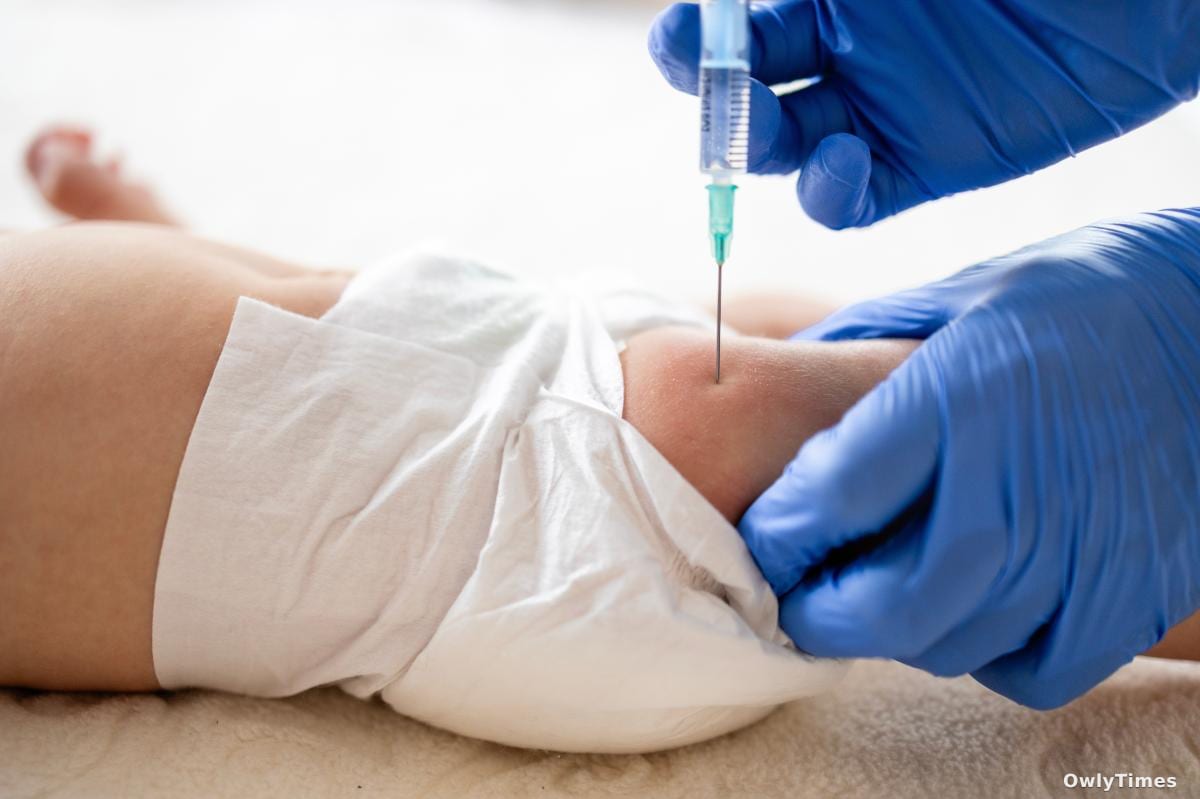

A Forgotten Threat Returns: Why Pediatricians Are Suddenly Seeing Hib Again
The quiet success of vaccination programs can, paradoxically, breed complacency. We become accustomed to not seeing certain diseases, and that familiarity can diminish the perceived urgency of prevention. This is precisely the dynamic unfolding with Haemophilus influenzae type b (Hib), a bacterial infection that, while largely eradicated thanks to a highly effective vaccine introduced in 1987, is now showing signs of a disturbing resurgence. The current concern isn’t simply about a few isolated cases – it’s about a potential erosion of immunity in the youngest generation and a shift in how pediatricians must approach common childhood illnesses. The story isn’t that Hib is back, but that our collective memory of its danger is fading, and the consequences of that lapse are beginning to materialize.
Prior to widespread vaccination, Hib was a devastating illness, impacting nearly 20,000 children annually and causing approximately 1,000 deaths each year in the United States, according to data from the Centers for Disease Control and Prevention (CDC). The bacteria colonizes the nose and throat, spreading through respiratory droplets, and can manifest in a frighteningly diverse range of infections – from ear infections and bronchitis to life-threatening meningitis, pneumonia, and epiglottitis (swelling of the throat). What’s particularly alarming is that, for doctors trained in the last four decades, encountering a case of Hib had become exceptionally rare. Eehab Kenawy, a pediatrician practicing in Florida, articulated this shift to NBC News: “I’d never seen a case of Hib for years and years. Now I’m hearing about it.” This isn’t anecdotal alarmism; it reflects a genuine change in the clinical landscape.
This piece references the the New York Post report.
The CDC’s recent report, released last week, confirms this trend. While the decline isn’t precipitous, the percentage of babies receiving the complete three- or four-dose Hib vaccine series dipped from 78.8% in 2019 to 77.6% in 2021. This seemingly small 1.2% decrease translates to a measurable increase in vulnerability. As of March 21st, the CDC had already recorded eight cases of Hib in 2024, spread across Ohio, New York, Kansas, North Carolina, and Tennessee. While eight cases may seem low in a country of over 330 million people, it’s crucial to remember the severity of the illness and the fact that doctors are actively re-learning how to diagnose it. Kenawy explained the impact on clinical practice: “We have to start thinking about these things as a differential diagnosis in our workup… It puts us in a situation where we may have to do more close observation, possibly more admissions, maybe some unnecessary workup at times.” This highlights a ripple effect – decreased vaccination rates not only increase the risk of Hib infection but also strain healthcare resources.
It’s important to clarify a common misconception: Hib is not related to the seasonal influenza virus. The name is historical, stemming from the initial (and incorrect) belief that the bacteria caused influenza. The current decline in Hib vaccination rates isn’t occurring in isolation. Vaccination coverage for other critical childhood diseases, including measles, mumps, rubella (MMR), and polio, is also decreasing nationally. This broader trend raises concerns about a potential resurgence of multiple preventable illnesses, creating a complex public health challenge. The effectiveness of the Hib vaccine itself remains remarkably high – studies demonstrate at least 93% efficacy when the full series is completed. However, efficacy is irrelevant if the vaccine isn’t administered.
Understanding the Roots of Vaccine Hesitancy
The reasons behind declining vaccination rates are multifaceted and deeply rooted in societal factors. While some parents express concerns about vaccine safety, often fueled by misinformation, access to healthcare and vaccine information also plays a significant role. State-level rollbacks of school vaccine mandates, driven by political considerations, further contribute to the problem. It’s not simply a matter of individual choice; policy decisions directly impact community immunity. The current situation underscores the tension between individual liberties and collective responsibility in public health. A focus solely on personal freedom without acknowledging the interconnectedness of health within a population can have dangerous consequences, as we are now witnessing with Hib.
Limitations to Consider
The CDC’s data, while informative, represents a snapshot in time. The eight cases reported as of March 21st are likely an undercount, as diagnosis can be challenging and reporting isn’t always immediate. Furthermore, the data doesn’t reveal why vaccination rates are declining in specific communities. Is it due to logistical barriers, lack of access to reliable information, or deeply held beliefs? Understanding these nuances is crucial for developing targeted interventions. It’s also important to note that the current cases are geographically dispersed, making it difficult to identify a single outbreak source. This suggests a more widespread erosion of immunity rather than localized transmission.
Looking ahead, research needs to focus on understanding the specific drivers of vaccine hesitancy and developing effective communication strategies to address parental concerns. Continued surveillance of Hib and other vaccine-preventable diseases is essential, along with efforts to improve vaccination rates across all demographics. We need to move beyond simply urging people to vaccinate and actively address the systemic barriers that prevent access and foster distrust. The question isn’t just whether Hib will continue to make a comeback, but whether we will proactively address the underlying factors that allowed it to slip from our collective awareness in the first place. Will public health messaging evolve to emphasize the ongoing need for vaccination, even in the absence of immediate threat, or will we continue to react to outbreaks after the damage is done?